

Spirit Academy › Whiskey › Whiskey
Whiskey
Grain, water, yeast, a still and an oak barrel. The whole whiskey world, from bourbon to Scotch to Japan, starts here.
In one sip
Whiskey is beer that went through a still and then slept in a barrel. Every style here is a variation on the same four moves: ferment grain, distill the result, age it in oak, bottle it at drinking strength. The grain, the still, the wood and the local law are what make them taste different.
Where it started
The word comes from the Gaelic uisge beatha, "water of life."3 The earliest documented record of distilling in Scotland is from 1494, in the Exchequer Rolls, an entry for eight bolls of malt to Friar John Cor to make aqua vitae.4 Ireland's own technical file describes the spirit as distilled since the 6th century and one of the oldest spirit drinks in Europe.5
In the United States, the first federal excise tax on a domestic product landed on spirits in 1791, which set off the Whiskey Rebellion of 1794.6 The next big jump was Aeneas Coffey's patent still, dated 1831 by the Scotch Whisky Association4 and 1830 by Ireland's technical file;5 it allowed continuous distillation and light grain whisky, the foundation of blended Scotch.4 Consumer protection came in 1897 with the Bottled-in-Bond Act, often credited as the first consumer protection act in U.S. history.6 Modern definitions followed: the first definition of Scotch in UK law by 1933, a Scotch Whisky Act in 1988 and the Scotch Whisky Regulations in 2009.4
Where and how it's made
Under U.S. federal rules, whisky is a distillate from a fermented mash of any grain, distilled at less than 95 percent alcohol by volume (190 proof), stored in oak barrels (corn whisky excepted) and bottled at not less than 40 percent alcohol by volume (80 proof).1 Scotch, Irish and Japanese rules all land on the same 40 percent floor and a three-year minimum in wood, but each sets its own cask, grain and geography rules.859
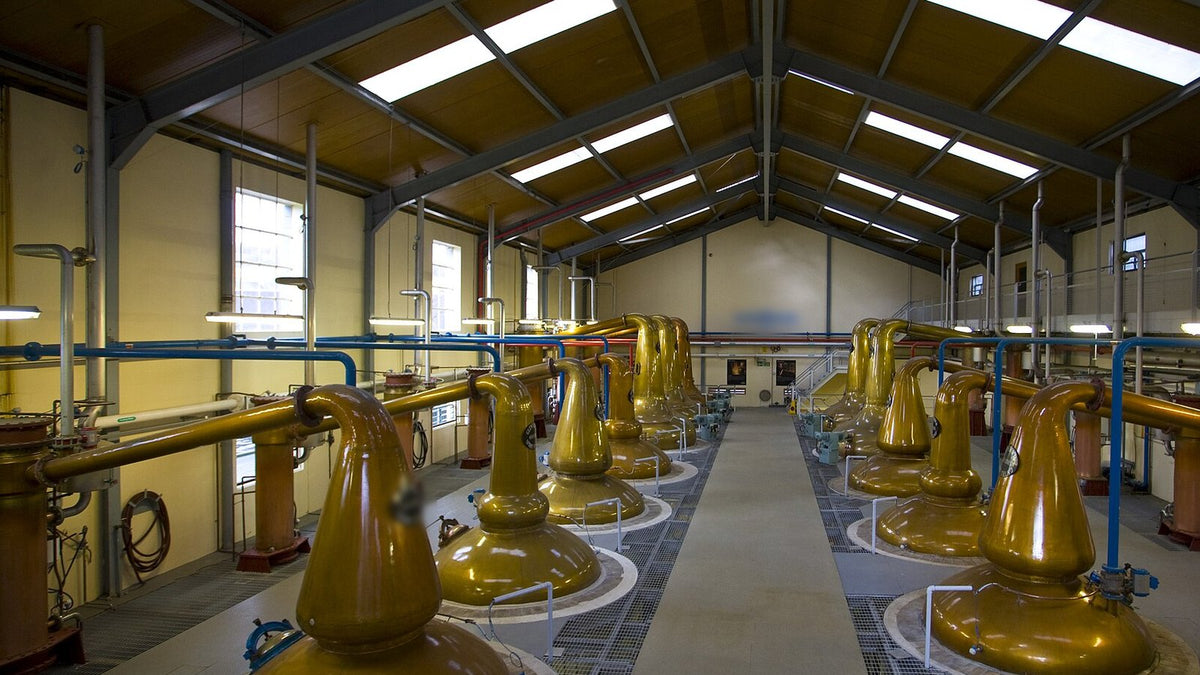
The process is the same everywhere. Grain is milled and cooked into a mash. Malted barley (or added enzymes) converts starch to sugar. Yeast ferments the sugar into a low-alcohol "distiller's beer."7 That beer goes through a pot still, which works in batches, or a column still, which runs continuously,7 and the distiller keeps the "hearts" and discards the heads and tails.7 The clear spirit, called white dog or new make, goes into oak.7 Time, temperature swings and the barrel's char do the rest, and a share evaporates every year, the "angel's share."7
Label math: U.S. labels must state alcohol as a percentage by volume and may add proof.2 Proof runs on a scale of 200, so 100 proof is 50 percent alcohol.7 Spelling is not a rule. "The word whisky may be spelled as either 'whisky' or 'whiskey'."1 American whiskey usually takes the e; English, Welsh, Japanese and most other world whiskies do not.3
How to taste it
Use a glass that narrows at the top (a Glencairn or a small wine glass) so the aromas collect. Look at the color, then nose it with your mouth slightly open so the alcohol does not sting. Take a small sip and let it coat your tongue before you decide anything. In Scotland, people often add just a little water; try a few drops and see what changes.3 For food, keep it simple: a hard aged cheese with bourbon, smoked almonds or oysters with a peated malt, dark chocolate with a sherried Speyside.
Styles and what the label means
Words to know
Tap a term to get asked about it in The Tasting Room.
Start here — craft pours to try
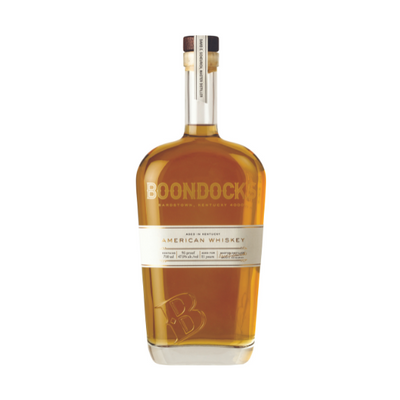
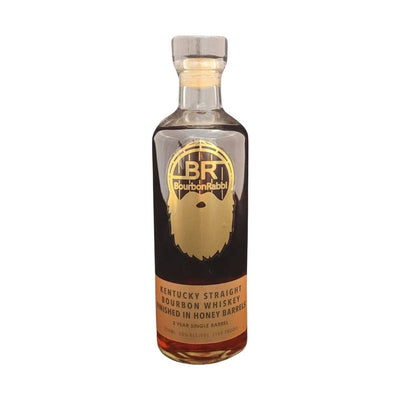
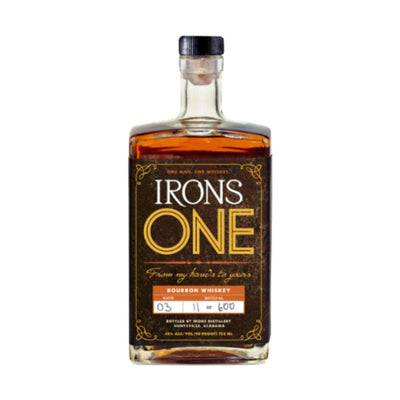
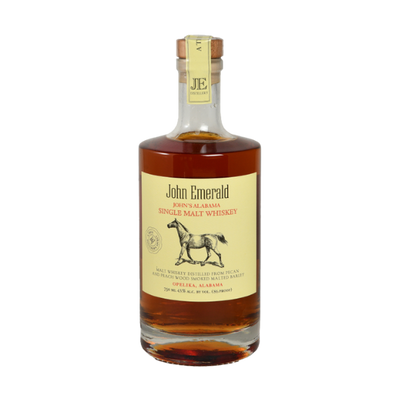
Real bottles from craft makers on Tipxy.
Sources
- 27 CFR 5.143 Whisky (eCFR) accessed 2026-10-12
- 27 CFR 5.65 Alcohol content (eCFR) accessed 2026-10-12
- Scotch Whisky Association — FAQs accessed 2026-10-12
- Scotch Whisky Association — Story of Scotch accessed 2026-10-12
- Irish Whiskey Technical File (Dept of Agriculture, Food and the Marine, Oct 2014) accessed 2026-10-12
- Kentucky Distillers' Association — Legacy timeline accessed 2026-10-12
- Kentucky Distillers' Association — Glossary accessed 2026-10-12
- The Scotch Whisky Regulations 2009, reg. 3 accessed 2026-10-12
- Standards for Labeling Japanese Whisky (Japan Spirits & Liqueurs Makers Association, est. Feb 12, 2021) accessed 2026-10-12
Photo: miketnorton, CC BY 2.0, via Wikimedia Commons