


Spirit Academy › Whiskey › World Whisky
World Whisky
England, Wales, France, India, Taiwan, Australia: the countries writing new whisky rules, and the hot-climate malts that age in a hurry.
In one sip
"World whisky" is the shelf for everything made outside the five old whisky nations, and it is where new whisky rules are being written: England, Wales and Brittany all now hold protected names.
Where it started
The modern wave is young. Amrut's Indian single malt was first launched in 2004, distilled from Indian barley grown at the foot of the Himalayas.4 In Australia, Port Melbourne's Starward makes single malt from Australian malted barley, with releases aged in red wine barrels and in ex-Barossa Valley wine casks.5 In Europe, Brittany secured a French geographical indication for "Whisky de Bretagne" or "Whisky breton" under EU Regulation 110/2008.3 Wales registered "Single Malt Welsh Whisky" as a UK GI on July 24, 2023.2 England was the latest: English Whisky was granted protected GI status in September 2026, by which point there were more than 70 distilleries producing English whisky, up from 46 in 2023.1
Where and how it's made
Local character often comes from the grain and the wood: Indian barley in India,4 Australian malted barley and wine casks in Australia.5
The new GIs mostly copy the Scotch template. Welsh single malt whisky is registered in the "Whisky or Whiskey" spirit-drink category under the UK scheme.2 Breton whisky must be milled, mashed, fermented, distilled and aged within the defined area using water drawn there, and bottled at a minimum of 40 percent.3 English Whisky producers must be verified under HMRC's Spirit Drink Verification Scheme to use the protected name.1
In the U.S., none of these are a legal type. A whisky from India or Taiwan that meets no specific American standard is labeled "whisky," and if it is made in a named-grain style it must carry its country of origin next to the type, as in "Rye Whisky distilled in Sweden."7 "Bourbon" may never be used for anything not distilled and aged in the United States.7
How to taste it
Tulip glass, neat, and leave your Scotch age expectations at the door. Judge each malt by balance, not years. Water helps. Pairings: dried apricots and almonds with an Indian malt, a lamb chop with an Australian red-wine-cask whisky, crêpes with a Breton dram.
Styles and what the label means
- English whisky — a UK-protected GI since 2026; producers must pass HMRC verification to use the name.1
- Single Malt Welsh Whisky — UK GI registered 2023.2
- Whisky de Bretagne / Whisky breton — French GI; the whole process inside Brittany.3
- Indian single malt — made from Indian barley, with bottlings on the market since at least 2004.4
- Taiwanese single malt — sold as plain "whisky" in the U.S. unless it meets a U.S. type.7
- Australian single malt — Australian malted barley, often with wine-cask maturation.5
- Single malt vs blended — the same distinction applies worldwide. single-malt-vs-blended →
- Cask finishes — a short second maturation in a different cask. cask-finishes →
- Age statements — on U.S. labels, the age of the youngest whisky in the bottle.6 age-statements-and-nas →
Words to know
Tap a term to get asked about it in The Tasting Room.
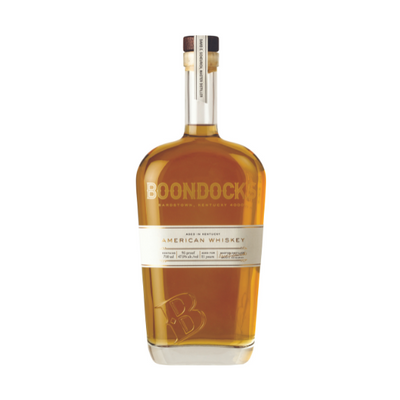
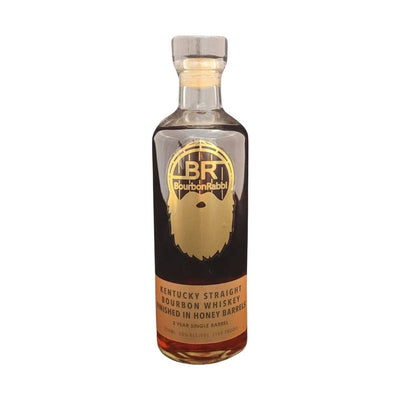
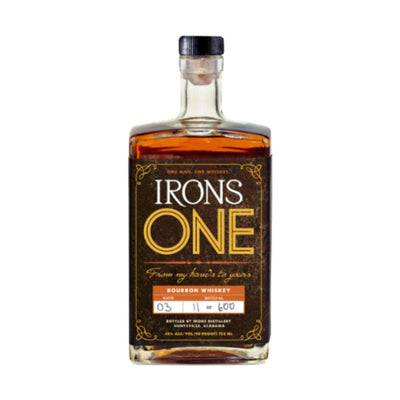
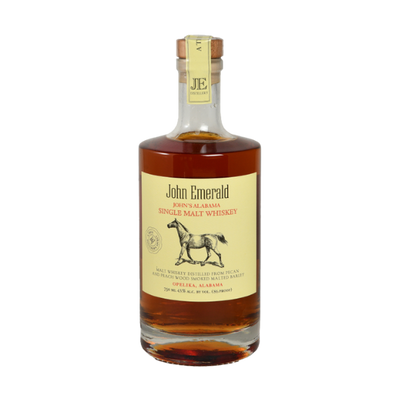
Start here — craft pours to try
Real bottles from craft makers on Tipxy.
Sources
- GOV.UK press release: English Whisky raises a glass to new protected status (11 Sept 2026) accessed 2026-10-12
- GOV.UK protected food and drink names: Single Malt Welsh Whisky accessed 2026-10-12
- INAO — Cahier des charges, IG 'Whisky de Bretagne' / 'Whisky breton' accessed 2026-10-12
- Difford's Guide — Amrut Distilleries accessed 2026-10-12
- Difford's Guide — Starward accessed 2026-10-12
- 27 CFR 5.74 Statements of age (eCFR) accessed 2026-10-12
- 27 CFR 5.143 Whisky (eCFR) accessed 2026-10-12
Photo: JTreg62, CC BY-SA 4.0, via Wikimedia Commons