

Spirit Academy › Whiskey › Age Statements and NAS
Age Statements and NAS
The number on the label is the youngest whisky in the bottle, never the oldest. When an age is required, when it is optional, and what 'no age statement' means.
In one sip
An age statement is a promise about the youngest drop in the bottle. A 12-year-old may contain 20-year-old whisky; it cannot contain anything younger than 12. NAS, "no age statement," means the producer chose not to say, which is legal almost everywhere once the whisky passes a minimum.
Where it started
Age rules arrived with consumer protection. In the U.S., age means time in oak after distillation and before bottling; for bourbon and rye, only time in charred new oak counts.2 Scotland's rules in regulation 12 of the 2009 regulations require any age to be expressed in years and to refer to the youngest component.3
Where and how it's made
United States
Any whisky aged less than four years must carry an age statement, unless it is bottled in bond.1 Over four years the statement is optional.1 You may understate age but never overstate it, and the statement must read as the age of the youngest whisky, "____ years old."1 "Aged 1 year" is prohibited on a straight rye even if true, because straight requires two.1
Scotland
A reference to maturation or age must be expressed in years.3 A distillation year may only appear if all the whisky was distilled in that single year and the label also shows the bottling year, maturation period or age in the same field of vision.3 Any number that could be confused with an age is prohibited.3 The SWA adds a practical point: whisky does not mature in the bottle, so a 12-year-old kept for 100 years remains a 12-year-old.4
Canada
No age may be claimed except for time held in small wood, with one allowance: once a whisky has three years in small wood, up to six months in other containers may be counted.5
Judge an NAS whisky by what is in the glass, and a stated age by the same standard.
How to taste it
Pour a 10- and an 18-year-old from the same distillery. Older usually means more oak and a longer finish; younger is brighter and more cereal-driven. Then place an NAS from the same house between them by taste alone.
Styles and what the label means
- Age-stated — the youngest component, in years.13
- NAS (no age statement) — legal once minimums are met; common on Japanese and new-world whisky. japanese-whisky →
- Bottled-in-bond — exempt from the under-four age statement because it is always four or more. bottled-in-bond →
- Vintage / distillation year — allowed in Scotland only with an accompanying age or bottling year.3
Words to know
Tap a term to get asked about it in The Tasting Room.
Start here — craft pours to try
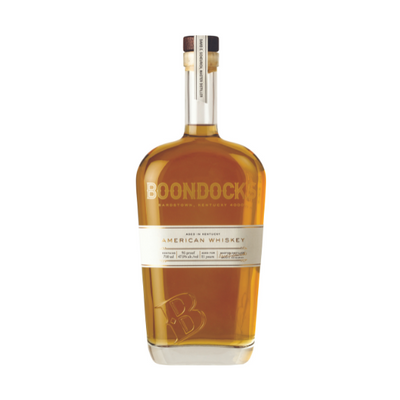
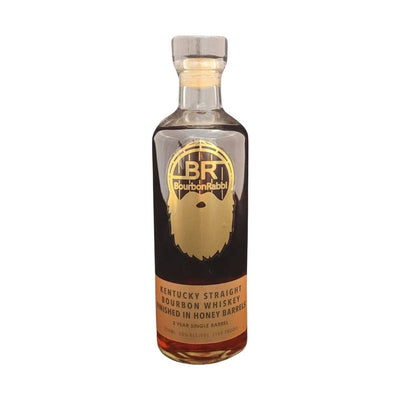
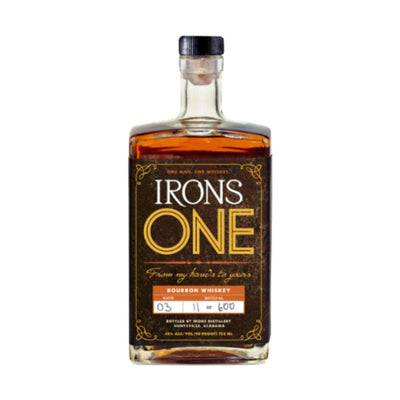
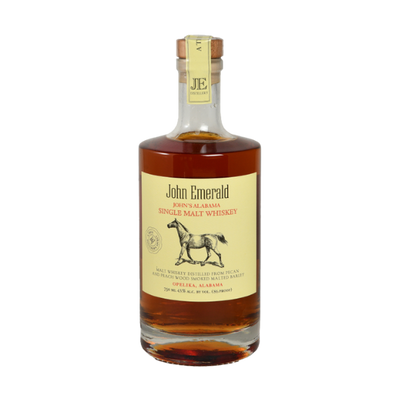
Real bottles from craft makers on Tipxy.
Sources
- 27 CFR 5.74 Statements of age (eCFR) accessed 2026-10-12
- 27 CFR 5.1 Definitions (eCFR) accessed 2026-10-12
- The Scotch Whisky Regulations 2009, reg. 12 accessed 2026-10-12
- Scotch Whisky Association — FAQs accessed 2026-10-12
- Canada Food and Drug Regulations, B.02.020 accessed 2026-10-12
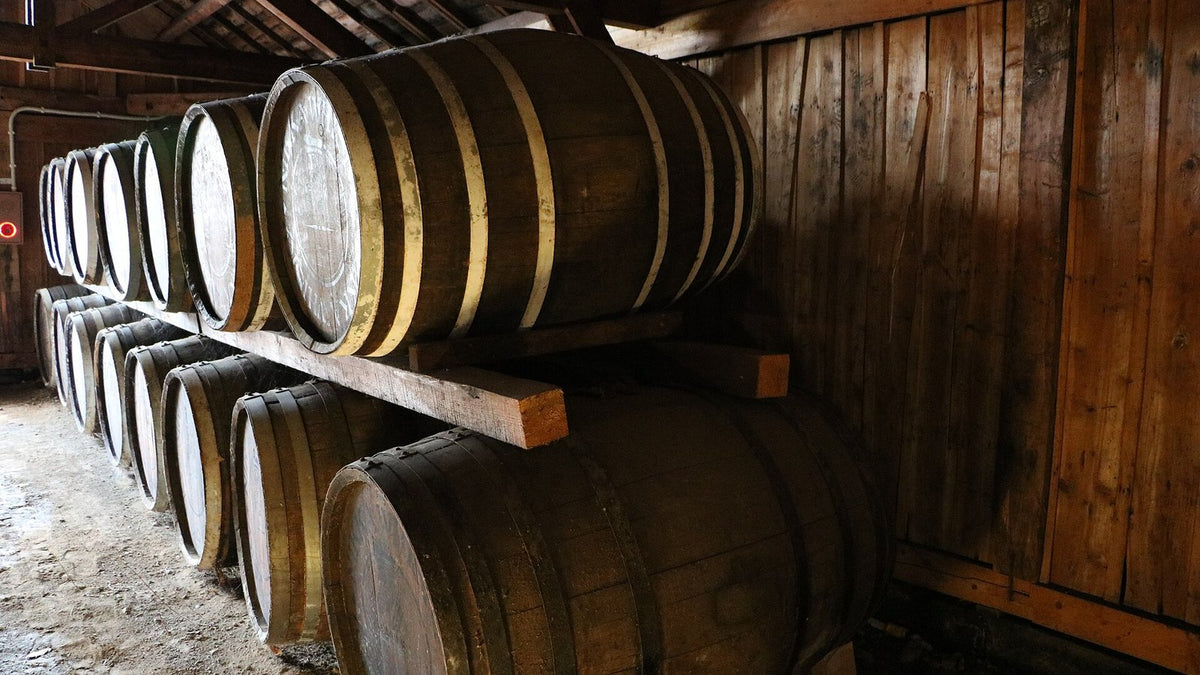
Photo: さかおり, CC BY-SA 4.0, via Wikimedia Commons