

Spirit Academy › Whiskey › Bottled-in-Bond
Bottled-in-Bond
One distiller, one distillery, one season, four years in a bonded warehouse, exactly 100 proof: the 1897 guarantee that still means a known quantity.
In one sip
Bottled-in-bond is a quality guarantee on American labels that dates to 1897. It does not promise the whiskey is good; it promises you know exactly what it is: who distilled it, where, when, how long it aged and at what strength.
Where it started
Before Prohibition, counterfeit, rectified and tainted spirits sold as "whiskey" flooded an unregulated market, and the federal government answered with the Bottled-in-Bond Act of 1897, often credited as the first consumer protection act in U.S. history.4 Its standards required aging in a federally bonded warehouse for at least four years, bottling at 100 proof, and the distillery location on the label.4
Where and how it's made
Under 27 CFR 5.88, the terms "bond," "bonded," "bottled in bond" or "aged in bond" may be used only if the spirits are composed of the same kind of spirits from the same class of materials; distilled in the same distilling season by the same distiller at the same distillery; stored for at least 4 years in wooden containers where the spirits touch the wood; unaltered except by filtration, chill proofing or other physical treatment; reduced in proof only with pure water; and bottled at 50 percent alcohol by volume (100 degrees of proof).1 A "distilling season" is January 1 through June 30 (spring) or July 1 through December 31 (fall).2 The label must carry the real name of the distillery and the plant numbers where it was distilled and bottled.1 Bonded whiskey is exempt from the under-four-years age statement rule for the obvious reason: it cannot be under four.3 The rule covers any U.S. spirit, so bonded rye, corn whiskey, apple brandy and gin exist too.1
How to taste it
A 100-proof pour wants a tulip glass and a splash of water after the first sip. Bonded whiskey has at least four years in wood,1 so expect oak, caramel and a firm spine. Pairings: barbecue, aged cheddar.
Styles and what the label means
Words to know
Tap a term to get asked about it in The Tasting Room.
Start here — craft pours to try
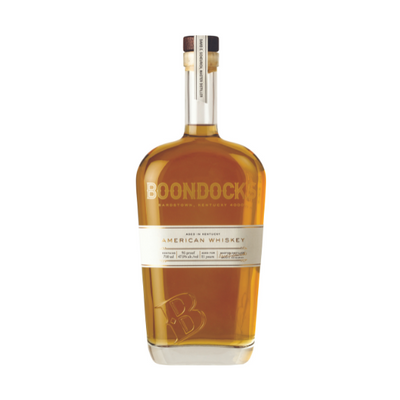
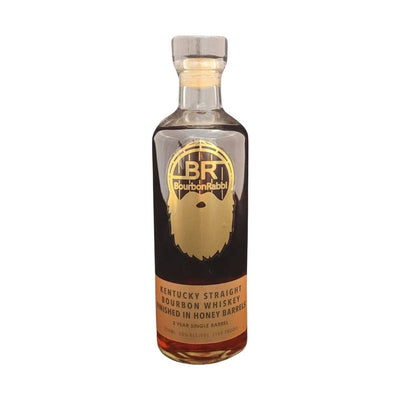
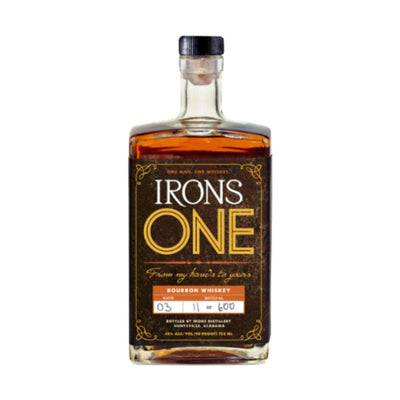
Real bottles from craft makers on Tipxy.
Sources
- 27 CFR 5.88 Bottled in bond (eCFR) accessed 2026-10-12
- 27 CFR 5.1 Definitions (eCFR) accessed 2026-10-12
- 27 CFR 5.74 Statements of age (eCFR) accessed 2026-10-12
- Kentucky Distillers' Association — Legacy timeline accessed 2026-10-12
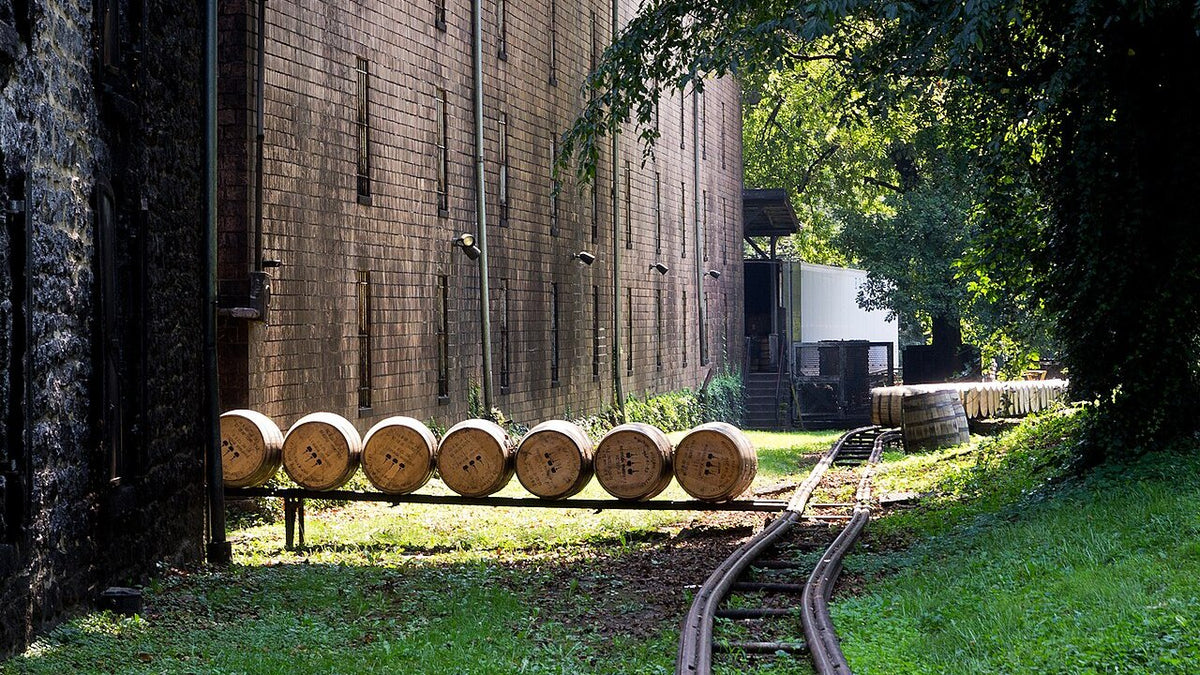
Photo: Ken Thomas, Public domain, via Wikimedia Commons