

Spirit Academy › Whiskey › Rye Whiskey
Rye Whiskey
Bourbon's drier, spicier sibling: at least 51 percent rye, the same new charred oak, and the backbone of the Manhattan.
In one sip
Swap the corn for rye and the whiskey turns from sweet to peppery: baking spice, dill, dried fruit, a dry finish that cuts through vermouth. American rye follows the bourbon rulebook grain for grain, barrel for barrel, with one number changed.
Where it started
American whiskey's early history is a frontier story. Frontier farmers who distilled excess grain into whiskey refused to pay Alexander Hamilton's 1791 excise tax; by 1794 the protests had turned into the Whiskey Rebellion, and Washington called up a militia of nearly 13,000 men.4 The low point came much later: in 1976, vodka sales passed whiskey, and many distilleries shut.4
Where and how it's made
The federal definition mirrors bourbon: a fermented mash of not less than 51 percent rye, distilled at 160 proof or less, stored in charred new oak barrels at 125 proof or less.1 Unlike bourbon, plain "rye whisky" may legally contain harmless coloring, flavoring and blending materials; "straight rye whisky" may not, and must spend at least two years in the barrel.1 If a straight rye is under four years old, its age must be on the label.2 There is also "rye malt whisky," made from at least 51 percent malted rye.1
The 51 percent is a floor, not a target, so the rest of the mash bill can be more rye or other grains.1
One trap: in Canada, "rye" is a synonym. Under Canadian standards, "Canadian Whisky, Canadian Rye Whisky or Rye Whisky" are one and the same category with no minimum rye content.5 A Canadian "rye" may be mostly corn. An American rye cannot. canadian-whisky →
How to taste it
Neat in a tulip glass, then build a Manhattan: two parts rye, one part sweet vermouth, two dashes of bitters, stirred. The vermouth shows you exactly what rye does that bourbon does not. With food, think of rye bread's friends: pastrami, pickles, smoked fish, caraway and mustard.
Styles and what the label means
- Straight rye — 51 percent rye or more, two years minimum, nothing added.1
- Bottled-in-Bond rye — straight rye at 100 proof from one distillery and one season. bottled-in-bond →
- Rye malt whisky — at least 51 percent malted rye.1
- Cask-strength rye — bottled near barrel proof. cask-strength →
- Canadian rye — a national style, not a mash-bill promise. canadian-whisky →
Words to know
Tap a term to get asked about it in The Tasting Room.
Start here — craft pours to try
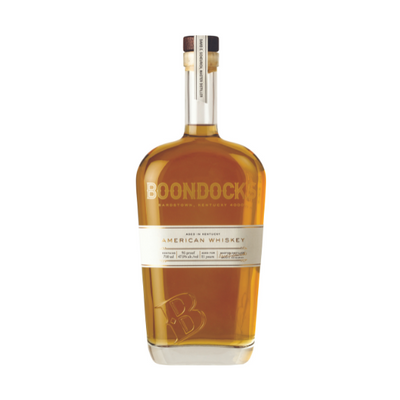
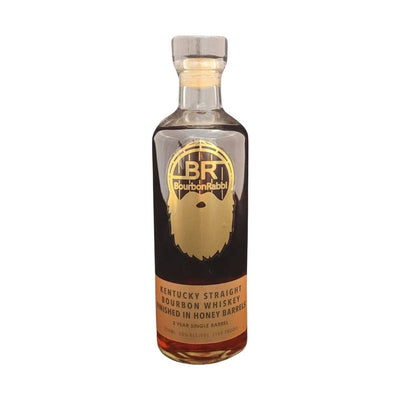
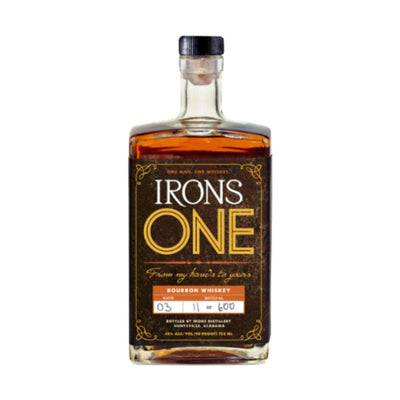
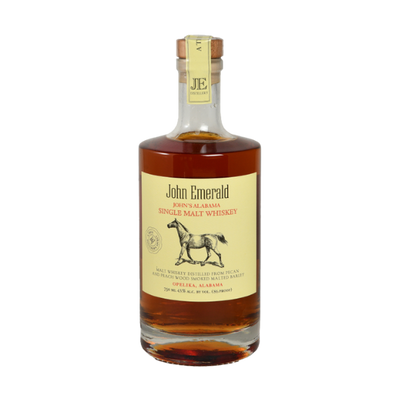
Real bottles from craft makers on Tipxy.
Sources
- 27 CFR 5.143 Whisky (eCFR) accessed 2026-10-12
- 27 CFR 5.74 Statements of age (eCFR) accessed 2026-10-12
- Kentucky Distillers' Association — Glossary accessed 2026-10-12
- Kentucky Distillers' Association — Legacy timeline accessed 2026-10-12
- Canadian Food Compositional Standards (CFIA), 2.1.3 accessed 2026-10-12
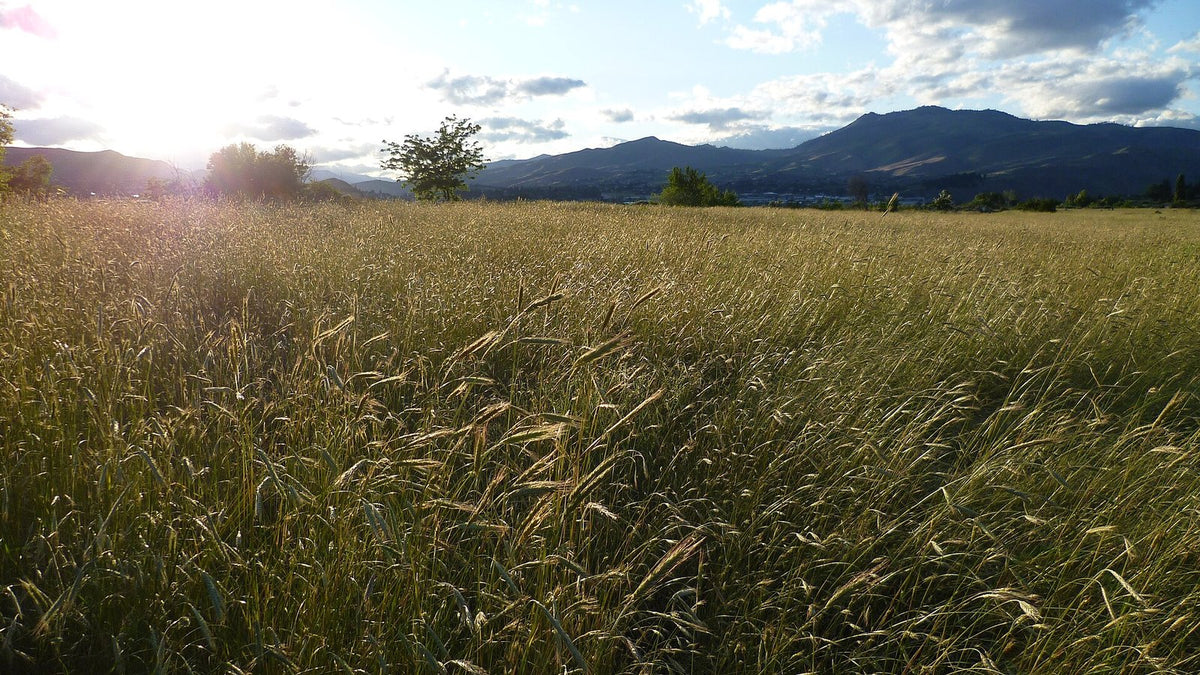
Photo: Thayne Tuason, CC BY-SA 4.0, via Wikimedia Commons