

Spirit Academy › Whiskey › Canadian Whisky
Canadian Whisky
Three years in small wood, any cereal grain, blended from separately aged whiskies, and legally allowed to call itself 'rye' no matter the mash.
In one sip
Canadian whisky runs on a short rulebook: no grain percentages, no new-oak rule. "Rye" in Canada is a legal name for the whisky, not a recipe. Light, smooth and mixable is the mainstream; a serious craft end has grown up behind it.
Where it started
The federal definition today lives in the Canadian Food Compositional Standards, a document incorporated by reference into the Food and Drug Regulations.1 The regulations' own Canadian whisky definition was repealed by SOR/2024-244.2 Age claims have their own rule: only time held in small wood counts, with one six-month exception.2
Where and how it's made
The standard is short. Canadian Whisky, Canadian Rye Whisky or Rye Whisky is a distillate from a mash of cereal grain, saccharified by the diastase of malt or other enzymes and fermented by yeast; aged in small wood for not less than three years; possessing the aroma, taste and character generally attributed to Canadian whisky; made under the Excise Act; mashed, distilled and aged in Canada; not less than 40 percent alcohol by volume; and it may contain flavouring.1 "Small wood" means wood casks or barrels of not greater than 700 liters.3 Note what is absent: no grain percentages, no new-oak rule, no ban on used barrels, and the three names are interchangeable.1
Two more rules shape the taste. No whisky other than bourbon or Tennessee whisky may be sold for consumption in Canada unless aged at least three years in small wood, and any flavouring in a whisky, other than wine, must itself have been aged at least two years in small wood.2 On the U.S. side, TTB allows wine to be added to Canadian whisky in Canada without changing its class.5
Age claims may include up to six months in other containers once the whisky has three years in small wood.2
How to taste it
A rocks glass is fine. Mainstream Canadian whisky is light-bodied with caramel, soft rye spice and a short finish, so ice and soda do not hurt it; the Canadian "rye and ginger" is the national highball. Craft and 100 percent rye bottlings deserve a tulip glass and no ice. Pairings: maple-glazed anything, smoked meat, a butter tart.
Styles and what the label means
- Canadian whisky / Canadian rye / rye — all one legal category.1
- 100 percent rye — a true rye-grain whisky; the mash is stated because the law does not require it. rye-whiskey →
- Blended Canadian whisky — the U.S. label for a Canadian mixture of whiskies.4 blended-whisky →
- Single-barrel and cask-strength Canadian — the craft end. cask-strength →
- Flavoured Canadian whisky — maple, apple, cinnamon; sold as flavored whisky in the U.S. flavored-whiskey →
- Age-stated Canadian — the age counts time in small wood, plus the six-month allowance.2 age-statements-and-nas →
Words to know
Tap a term to get asked about it in The Tasting Room.
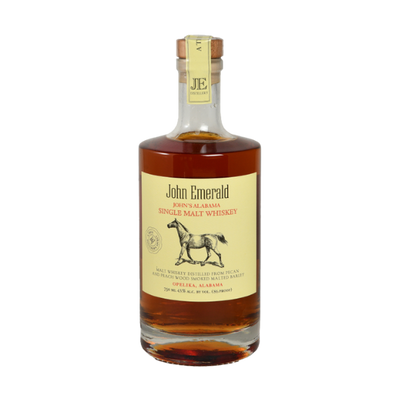
Start here — craft pours to try
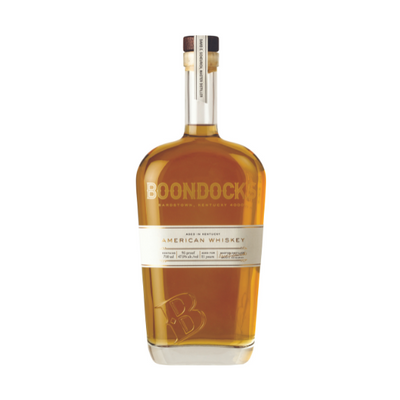
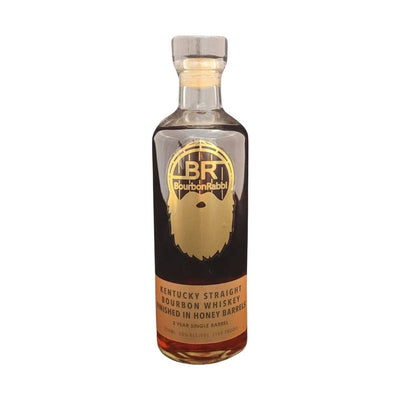
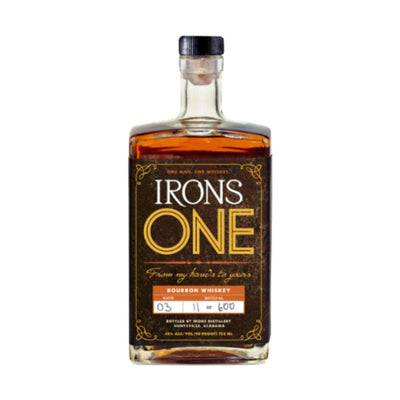
Real bottles from craft makers on Tipxy.
Sources
- Canadian Food Compositional Standards (CFIA), section 2.1 Whisky accessed 2026-10-12
- Canada Food and Drug Regulations, Division 2 Whisky (B.02.017–B.02.023) accessed 2026-10-12
- Canada Food and Drug Regulations, B.02.002 (small wood) accessed 2026-10-12
- 27 CFR 5.143 Whisky (eCFR) accessed 2026-10-12
- 27 CFR 5.155 Alteration of class and type (eCFR) accessed 2026-10-12
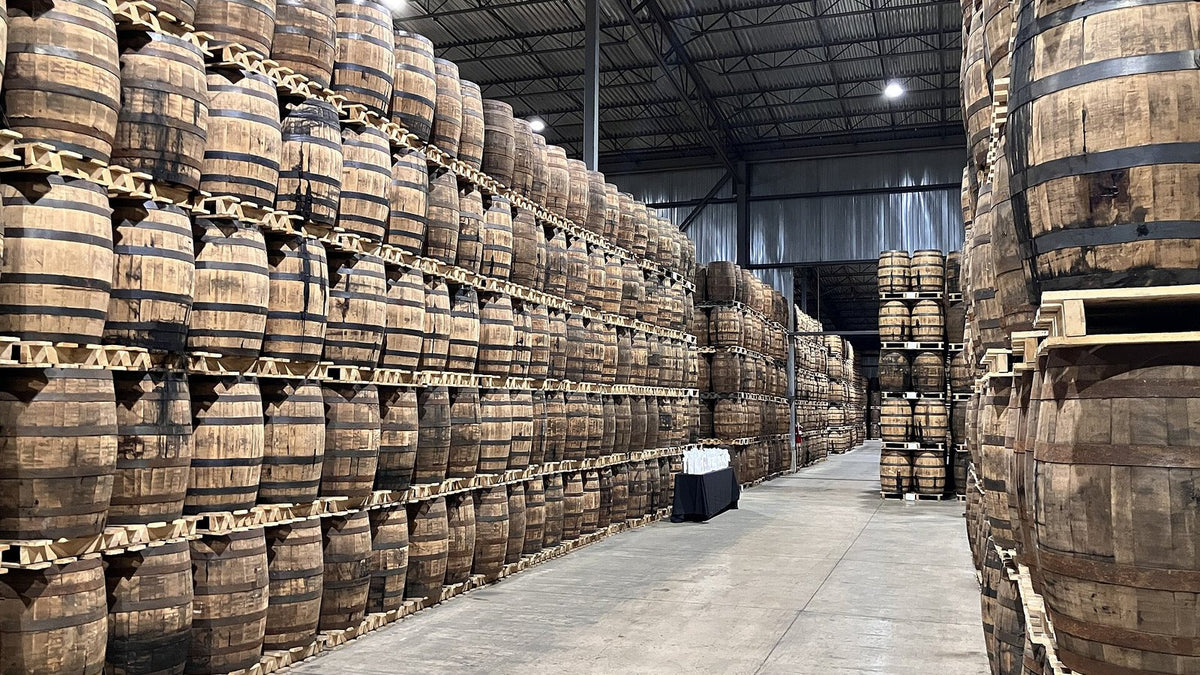
Photo: Gogerr, CC BY-SA 4.0, via Wikimedia Commons