

Spirit Academy › Whiskey › Blended Whisky
Blended Whisky
The word 'blended' means different things in Scotland, America and Canada. Here is how to read it, and why most of the world's whisky is a blend.
In one sip
A blend is a whisky assembled from more than one kind of whisky, and in Scotland and Ireland that is a mark of craft, not a confession. In the United States, "blended whisky" is a different animal that may be mostly neutral spirit. Knowing which rulebook a bottle sits under tells you what you are buying.
Where it started
Until the 1830s, Scotch meant malt whisky from a pot still. Aeneas Coffey's continuous still produced lighter grain whisky; the Scotch Whisky Association dates it to 1831,4 Ireland's whiskey technical file to a patent of 1830.8 Blending grain with fiery malts widened the appeal of Scotch.4 Blended brands built by James Buchanan, Tommy Dewar, Johnnie Walker and James Chivas then took Scotch around the British empire and beyond in the 19th century.4 The result is the industry's base: almost nine out of ten bottles of Scotch enjoyed around the world are blended Scotch, and a master blender may combine up to 60 different whiskies.3
Where and how it's made
Scotland
Blended Scotch Whisky is a blend of one or more single malt Scotch whiskies with one or more single grain Scotch whiskies.1 Two cousins: Blended Malt Scotch Whisky is a blend of single malts from more than one distillery with no grain at all, and Blended Grain Scotch Whisky is a blend of single grains.1 All must meet the full Scotch definition, including three years in oak and 40 percent minimum.1 The category must be printed on the front of the bottle.2
Ireland
Blended Irish Whiskey is any combination of the three varieties, pot still, malt and grain.8
United States
"Blended whisky" (or "whisky—a blend") must contain at least 20 percent straight whisky on a proof-gallon basis, with the balance made up of whisky and/or neutral spirits, and neutral spirits may be a maximum of 80 percent.5 "Blended bourbon whisky" must be at least 51 percent straight bourbon, with neutral spirits up to 49 percent.5 A "blend of straight whiskies," by contrast, is all straight whisky aged at least two years with no neutral spirits except as part of a flavor.5 At the bottom sits "spirit whisky," neutral spirits with just 5 percent or more whisky.5 Imported blends keep their own names in the U.S.: "blended Scotch whisky," "blended Irish whisky," "blended Canadian whisky."5
How to taste it
Blends are built to be consistent and easy, so taste for balance rather than fireworks. A good blended Scotch shows malt depth under a smooth grain body; try it neat, then with soda. American "blended whisky" is a mixer by design. A blend of straight whiskies deserves the same attention as a single-distillery bourbon. Pairings: a Scotch blend with a cheese board, an Irish blend with smoked salmon, a blend of straights with a burger.
Styles and what the label means
- Blended Scotch — malt plus grain; the world's best-selling style of Scotch.3 scotch-whisky →
- Blended malt Scotch — only single malts, from several distilleries.1 single-malt-vs-blended →
- Blended Irish — pot still, malt and grain in any combination.8 irish-whiskey →
- Blended Canadian whisky — the U.S. label name when Canadian whisky is a mixture of whiskies.5 canadian-whisky →
- Japanese blended — malt and grain, often from a single company's own distilleries. japanese-whisky →
- American blended whisky — 20 percent straight whisky minimum, up to 80 percent neutral spirit.5
- Blend of straight whiskies — all straight, no neutral spirit except as part of a flavor.5
Words to know
Tap a term to get asked about it in The Tasting Room.
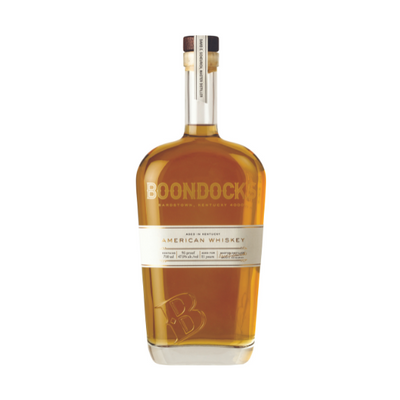
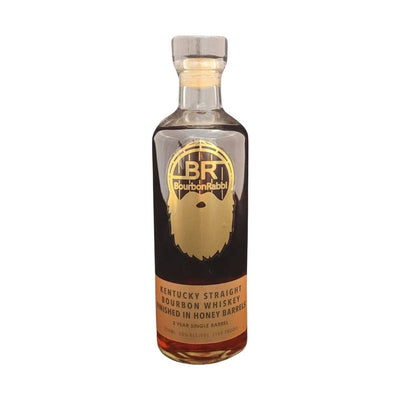
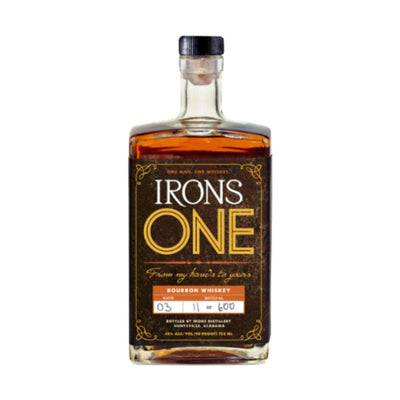
Start here — craft pours to try
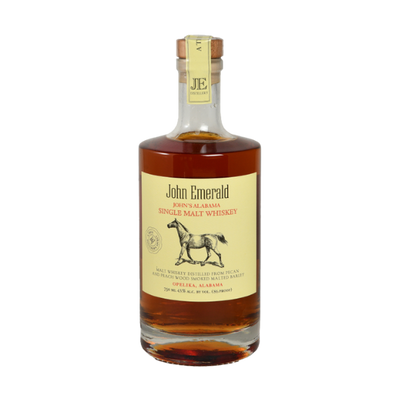
Real bottles from craft makers on Tipxy.
Sources
- The Scotch Whisky Regulations 2009, reg. 3 accessed 2026-10-12
- The Scotch Whisky Regulations 2009, reg. 8 accessed 2026-10-12
- Scotch Whisky Association — FAQs accessed 2026-10-12
- Scotch Whisky Association — Story of Scotch accessed 2026-10-12
- 27 CFR 5.143 Whisky (eCFR) accessed 2026-10-12
- 27 CFR 5.1 Definitions (eCFR) accessed 2026-10-12
- 27 CFR 5.142 Neutral spirits or alcohol (eCFR) accessed 2026-10-12
- Irish Whiskey Technical File accessed 2026-10-12
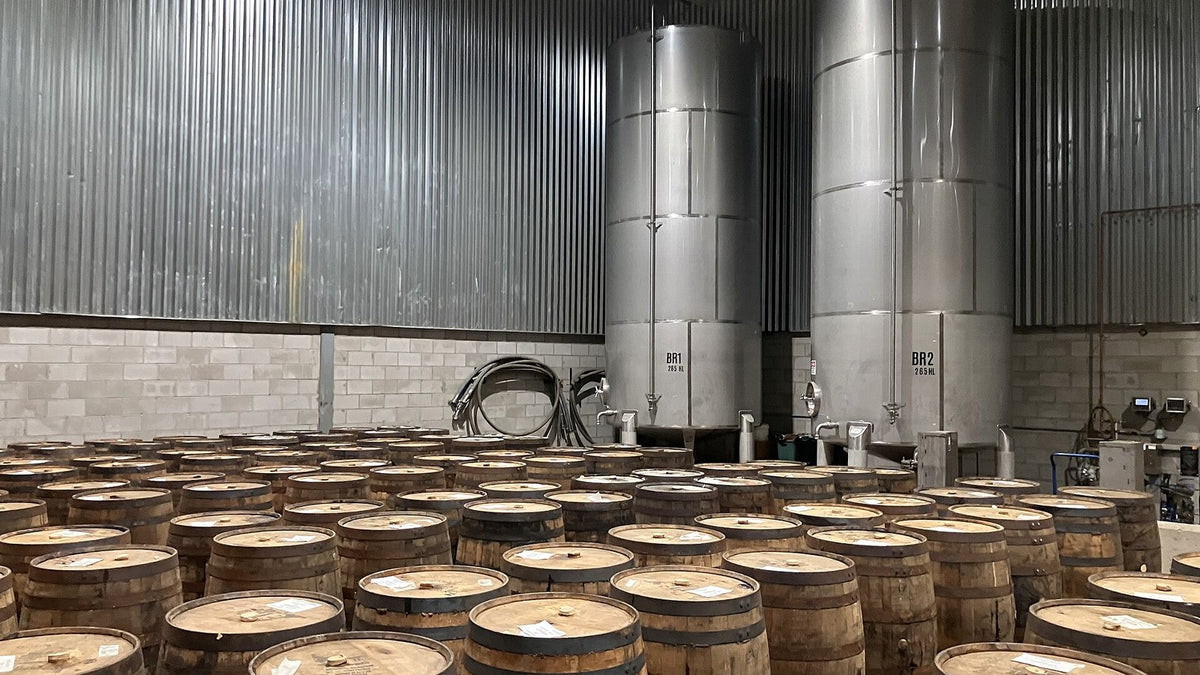
Photo: Gogerr, CC BY-SA 4.0, via Wikimedia Commons