

Spirit Academy › Whiskey › Irish Whiskey
Irish Whiskey
Distilled and matured on the island of Ireland, three years in wood, usually triple distilled, and home to a style nobody else makes: single pot still.
In one sip
Irish whiskey is the soft-spoken one: usually triple distilled, mostly unpeated, matured in a mild climate, and built for drinking without ceremony. It boomed in the 19th century, shrank to a handful of distilleries in the 20th, and began its revival with a new Cork distillery in 1975. Its signature style, single pot still, mixes malted and unmalted barley.
Where it started
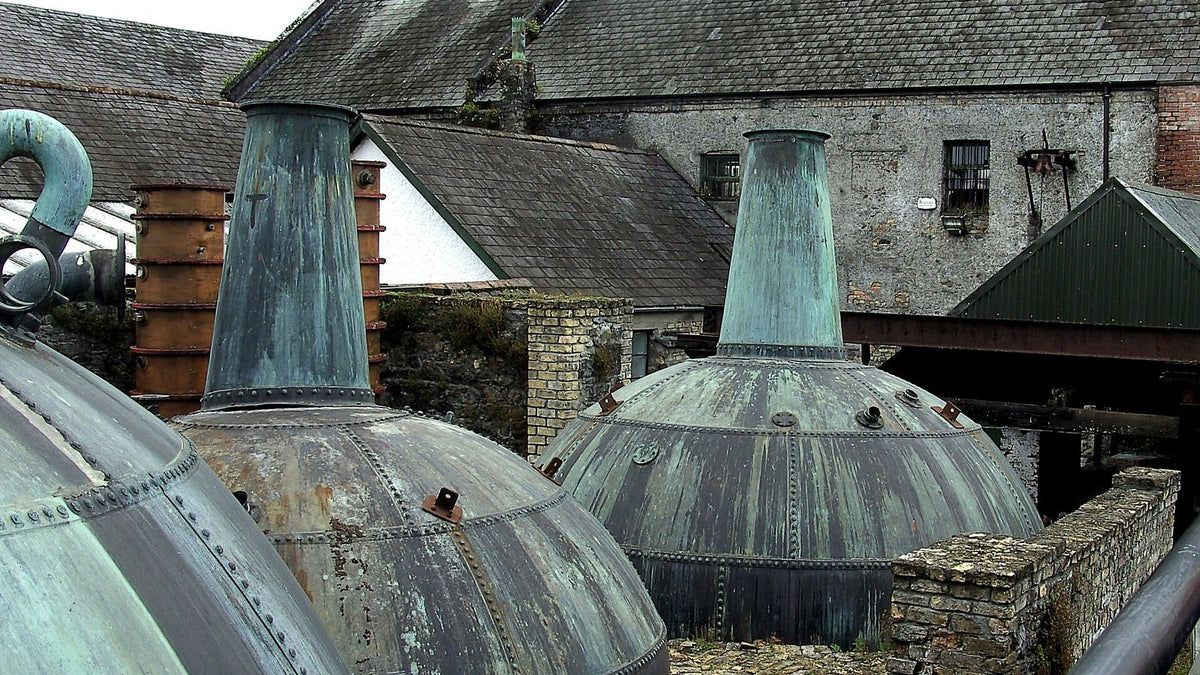
Ireland's technical file calls the spirit one of the oldest in Europe, distilled since the 6th century.1 The 19th century was the peak: the number of distillers grew from 40 in 1823 to 86 in 1840, Midleton had the world's largest pot still (31,500 gallons) by 1867, and Dublin's distillers started spelling whiskey with an e to set themselves apart from Scotland.1 The United States was then the largest whiskey market in the world and the biggest buyer of Irish pot still.1 Distilling stopped in 1917 for the war effort; the Volstead Act of 1919 closed the American market overnight; a 1932 trade war with Britain closed much of the rest; and bootleggers selling bad liquor as "Irish" wrecked the name.1 By 1953 there were six distilleries on the island; by 1966, four, and after mergers, effectively one company by 1973.1 A new distillery in Cork replaced the old ones in 1975, the start of the revival, and Cooley, established in 1987, was the first independent distillery to start in over 100 years.1 The Irish Whiskey Act 1980 and an EU geographical indication protect the name today.1
Where and how it's made
Irish whiskey must be distilled on the island of Ireland, including Northern Ireland, from a mash of malted cereals with or without whole grains of other cereals; saccharified by the diastase of malt; fermented by yeast; distilled at less than 94.8 percent alcohol so that it keeps the aroma of its raw materials; and matured for at least three years in wooden casks, such as oak, not exceeding 700 liters.1 Only water and plain caramel coloring may be added, and the minimum strength is 40 percent.1 Maturation must happen on the island of Ireland; bottling may take place elsewhere.1 U.S. law recognizes it as a distinctive product manufactured in the Republic of Ireland or Northern Ireland.2
Two details separate it from Scotch. The file says "wooden casks," not oak specifically, where Scotch must be oak.1 And the traditional practice is to triple distil, which produces a lighter and smoother spirit, while most Scottish and American distilleries distil twice.1 It is a tradition, not a rule.
How to taste it
Tulip glass, neat, then with a drop of water. Expect orchard fruit, honey, vanilla and, in pot still, a spicy, slightly oily texture. Irish whiskey is forgiving over ice and in a highball. Pairings: a sharp Irish cheddar, smoked salmon on brown bread, a slice of apple tart.
Styles and what the label means
- Single pot still — at least 30 percent malted and 30 percent unmalted barley, pot stills, one distillery.1 single-pot-still-irish →
- Single malt Irish whiskey — 100 percent malted barley, pot stills, one distillery.1 single-malt-vs-blended →
- Grain Irish whiskey — usually wheat or maize with malted barley, column stills only.1
- Blended Irish whiskey — any combination of pot still, malt and grain.1 blended-whisky →
- Cask-finished Irish — port, sherry, rum and stout casks are common finishes. cask-finishes →
- Age statements — the youngest whiskey in the bottle. age-statements-and-nas →
Words to know
Tap a term to get asked about it in The Tasting Room.
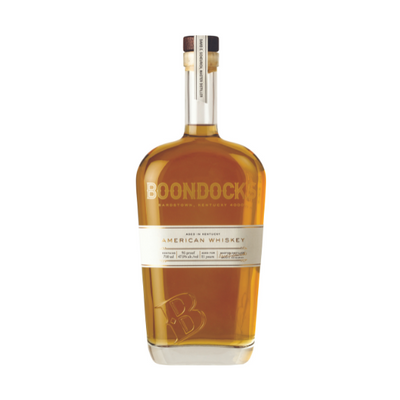
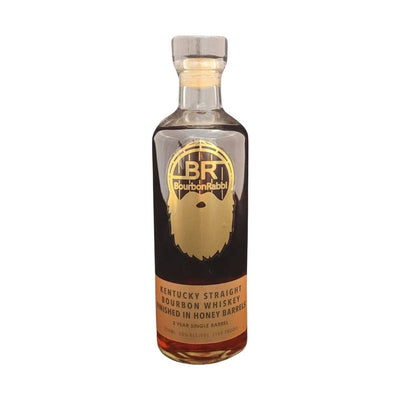
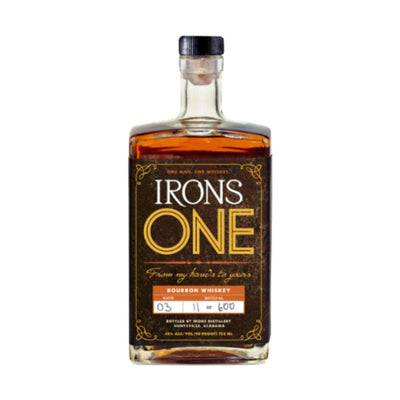
Start here — craft pours to try
Real bottles from craft makers on Tipxy.
Sources
- Irish Whiskey Technical File (Dept of Agriculture, Food and the Marine, Oct 2014) accessed 2026-10-12
- 27 CFR 5.143 Whisky (eCFR) accessed 2026-10-12
Photo: High Contrast, CC BY 3.0 de, via Wikimedia Commons