

Spirit Academy › Whiskey › Cask Finishes
Cask Finishes
A second, shorter stay in a cask that once held sherry, port, wine or rum, after the main maturation. What finishing adds, and what the law allows.
In one sip
A finish is a whisky's second home. After its main maturation, the whisky is moved into a cask that previously held something else, a port pipe, a wine barrique, a rum barrel, for a further, relatively short period.
Where it started
The SWA defines it as an extension of the maturation process, when the spirit is subsequently filled into empty casks that previously held other wines or spirits for a further relatively short period at the end of maturation.1 The KDA uses the same idea under three names, finishing, secondary maturation and double matured: dumping a barrel of whiskey into a second barrel or cask that may have held wine, sherry, port or rum.2
Where and how it's made
Scotland
The finishing cask must have been drained of any liquid before use, so any change comes from the spirit's interaction with the wood over time, not from leftover wine.1 The cask must still be oak and no larger than 700 liters, and nothing may be added but water and plain caramel.6
United States
TTB treats storing a product that must be aged in oak in an additional barrel of another type of wood as a change that requires redesignation.3 An ex-port oak barrel is still oak, so a port-finished bourbon can stay a bourbon, but the label usually reads "bourbon whiskey finished in port casks" and the time in the second barrel does not count toward the age statement, since age is only time in charred new oak for bourbon.4 Bourbon may contain no added coloring, flavoring or blending materials at all, so the flavor has to come from the wood, not from wine left in the cask.5
Common finishes: oloroso sherry (dried fruit, nuts), Pedro Ximénez (raisin), port (red berries, chocolate), rum (brown sugar), red wine (tannin, cherry).
How to taste it
Taste the unfinished and finished versions of the same whisky if you can. A good finish adds a layer and keeps the base recognizable; a heavy one buries it. Pairings: sherry finishes with hard cheese, port finishes with chocolate, rum finishes with grilled pineapple.
Styles and what the label means
- Sherry finish — the classic, on Scotch and Irish. speyside →
- Port / wine finish — fruit and color; popular on bourbon and rye. bourbon →
- Rum-cask finish — tropical sweetness, common on Irish. irish-whiskey →
- Double matured / secondary maturation — the same thing by another name.2
- Age statements on finished whisky — the youngest component still rules. age-statements-and-nas →
Words to know
Tap a term to get asked about it in The Tasting Room.
Start here — craft pours to try
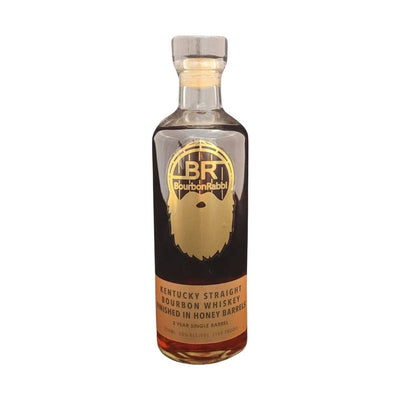
Real bottles from craft makers on Tipxy.
Sources
- Scotch Whisky Association — FAQs accessed 2026-10-12
- Kentucky Distillers' Association — Glossary accessed 2026-10-12
- 27 CFR 5.155 Alteration of class and type (eCFR) accessed 2026-10-12
- 27 CFR 5.74 Statements of age (eCFR) accessed 2026-10-12
- 27 CFR 5.143 Whisky (eCFR) accessed 2026-10-12
- The Scotch Whisky Regulations 2009, reg. 3 accessed 2026-10-12
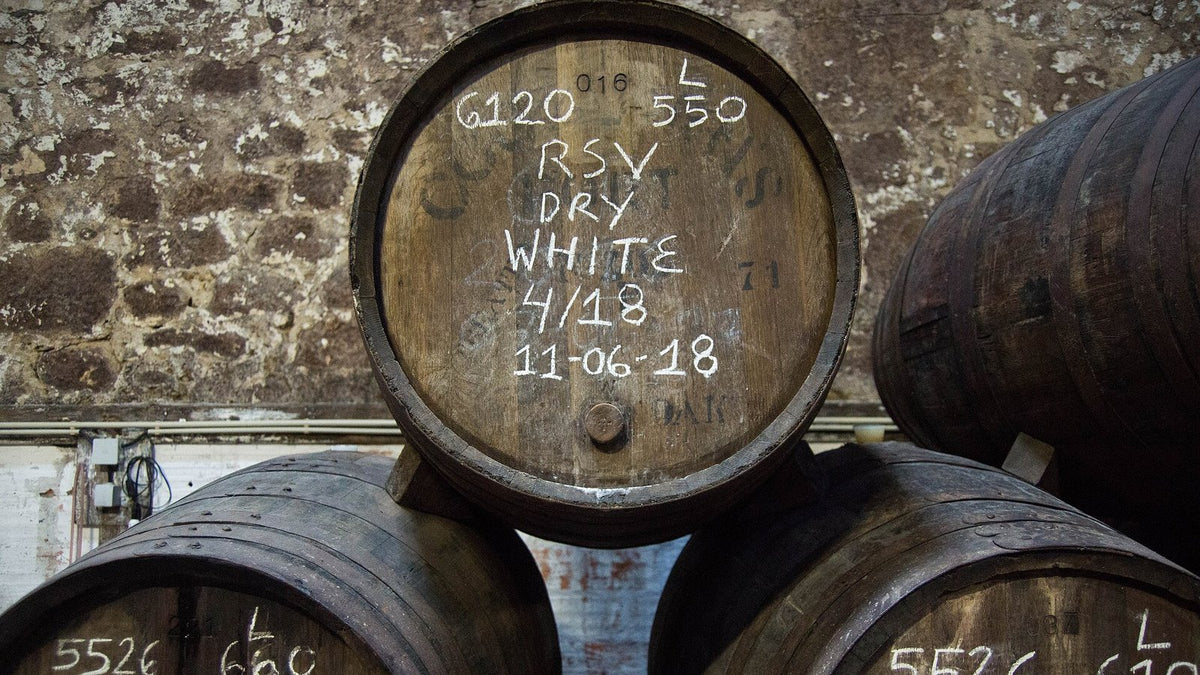
Photo: reivax from Washington, DC, USA, CC BY-SA 2.0, via Wikimedia Commons