


Spirit Academy › Whiskey › Japanese Whisky
Japanese Whisky
Scotch methods, Japanese water and climate, and since 2021 an industry standard that finally says what 'Japanese whisky' on a label has to mean.
In one sip
Japanese whisky was built on a Scottish blueprint, with a chemist who had studied in Glasgow and worked in Scottish distilleries there from the start. Expect elegance over power, and a national habit of drinking it long with soda.
Where it started
Shinjiro Torii, who founded the company that became Suntory in 1899, hired Masataka Taketsuru, a chemist who had studied at the University of Glasgow and worked in Scottish distilleries.2 In 1923 they founded Japan's first malt whisky distillery at Yamazaki, between Kyoto and Osaka, chosen for its water; production started the next year.23 Their first whisky, Suntory Shirofuda (White Label), appeared in 1929 and sold poorly, partly for being too smoky for the Japanese palate; the lighter Kakubin blend followed in 1937.3 Taketsuru had agreed to work for Torii for ten years before founding his own distillery, and in 1934 he broke ground at Yoichi in Hokkaido, founding the company later renamed Nikka.32
Where and how it's made
The definition of "Japanese whisky" on a label came from the industry itself. The Japan Spirits & Liqueurs Makers Association's Standards for Labeling Japanese Whisky were established on February 12, 2021 and took effect April 1, 2021, with a transition for existing products until March 31, 2024.1 To use the term "Japanese whisky," a product must use only malted grains, other cereal grains and water extracted in Japan; malted grains must always be used; saccharification, fermentation and distillation must happen at a distillery in Japan with distillation under 95 percent alcohol; it must be matured in Japan in wooden casks of no more than 700 liters for at least three years; and it must be bottled in Japan at 40 percent or more.1 Plain caramel coloring is allowed.1 It also bans Japanese place names, people's names, the flag or era names on products that do not qualify.1
The standard comes from the industry association, which administers it, and it applies to business operators selling whisky in Japan or from Japan for overseas use.1 U.S. law has no Japanese whisky type at all: a whisky from Japan that meets no specific U.S. standard is simply "whisky," and a blend of Japanese and other origins must state the composition, for example "Whisky—50% from Japan, 50% from the United States."4
How to taste it
Neat in a tulip glass first, then the way Japan drinks it: a highball, one part whisky to three or four parts chilled soda over plenty of ice, stirred once. Pairings: grilled fish, yakitori with salt, a square of good milk chocolate.
Styles and what the label means
- Japanese whisky (JSLMA-compliant) — all the 2021 production requirements met.1
- Japanese single malt — one distillery, malted barley; the JSLMA standard allows the type label alongside the term.1 single-malt-vs-blended →
- Japanese blended whisky — malt plus grain from Japanese distilleries. blended-whisky →
- World blend / "Japanese-made" — contains imported whisky; cannot use the protected term under the standard.1
- Mizunara-aged — Japanese oak finishing or full maturation. cask-finishes →
- Age statements and NAS — how to read an age on the label, or its absence. age-statements-and-nas →
Words to know
Tap a term to get asked about it in The Tasting Room.
Start here — craft pours to try
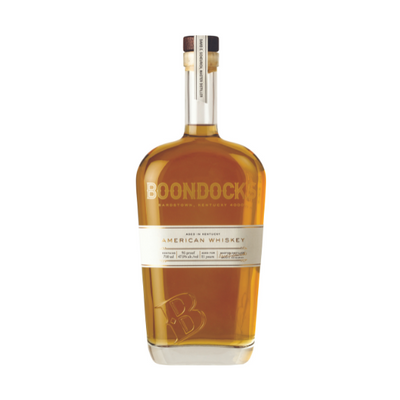
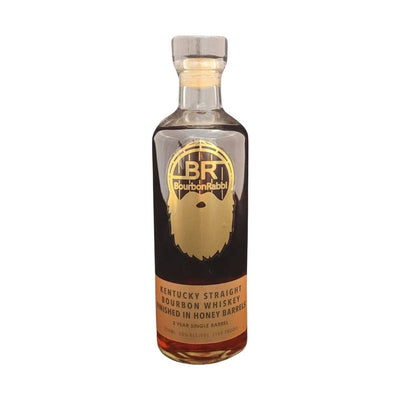
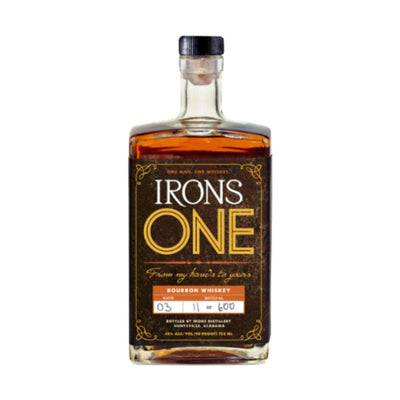
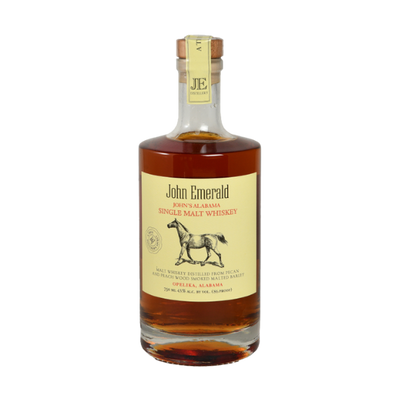
Real bottles from craft makers on Tipxy.
Sources
- Standards for Labeling Japanese Whisky (Japan Spirits & Liqueurs Makers Association, est. Feb 12, 2021) accessed 2026-10-12
- Japan National Tourism Organization — Japanese Whisky guide accessed 2026-10-12
- Difford's Guide — Suntory Yamazaki Distillery, history accessed 2026-10-12
- 27 CFR 5.143 Whisky (eCFR) accessed 2026-10-12
Photo: さかおり, CC BY-SA 4.0, via Wikimedia Commons