

Spirit Academy › Whiskey › Scotch Whisky
Scotch Whisky
Made, matured and (for single malts) bottled in Scotland; three years in oak, five legal categories, five regions, no e in the spelling.
In one sip
Scotch is whisky made and matured in Scotland under a detailed legal definition, ranging from lighter malts to fiery, heavily peated Islay drams, with the big blends in between.
Where it started
The first written record is from 1494, an entry in the Exchequer Rolls for eight bolls of malt to Friar John Cor to make aqua vitae.4 The first taxes came in 1644 and sent much of the industry underground; by the 1820s, as many as 14,000 illicit stills were being confiscated every year.4 The Excise Act of 1823 licensed distilling for a £10 fee.4 Aeneas Coffey's continuous still, which created light grain whisky and made blending possible, dates to 1831 per the Scotch Whisky Association4 or to its 1830 patent per Ireland's technical file.9 The first definition of Scotch in UK law came by 1933, then the Scotch Whisky Act 1988 and the Scotch Whisky Regulations 2009.4
Where and how it's made
By law, Scotch whisky is produced in Scotland from water and malted barley (to which only whole grains of other cereals may be added), mashed, fermented and distilled at a Scottish distillery; distilled at less than 94.8 percent alcohol; matured only in Scotland, only in oak casks of no more than 700 liters, for at least three years; with nothing added but water and plain caramel coloring; and bottled at no less than 40 percent.1 The SWA counted 156 operating distilleries in September 2026, with some 22 million casks maturing in Scottish warehouses.5
The label must state one of five categories on the front: Single Malt, Single Grain, Blended Malt, Blended Grain, or Blended Scotch Whisky.2 A single malt comes from one distillery, from malted barley only, in pot stills; a single grain is any other Scotch from one distillery; blended Scotch is a mix of one or more single malts with one or more single grains.1 Almost nine of ten bottles of Scotch sold worldwide are blends.6 In U.S. law, Scotch is "a distinctive product of Scotland, manufactured in Scotland in compliance with the laws of the United Kingdom."8
Five names are protected as localities or regions: Campbeltown and Islay (localities), Highland, Lowland and Speyside (regions), and a whisky may only use them if it was distilled there.3 "Islands" is not one of them.6
How to taste it
A tulip-shaped glass, no ice at first. The SWA notes there is no "right" way, and that in Scotland people often take it with a little water.6 Add a few drops, wait, nose again. Non-chill-filtered whisky goes cloudy with ice or cold; that is normal.6 Pairings: smoked salmon with an Islay, shortbread with a Speyside.
Styles and what the label means
Words to know
Tap a term to get asked about it in The Tasting Room.
Start here — craft pours to try
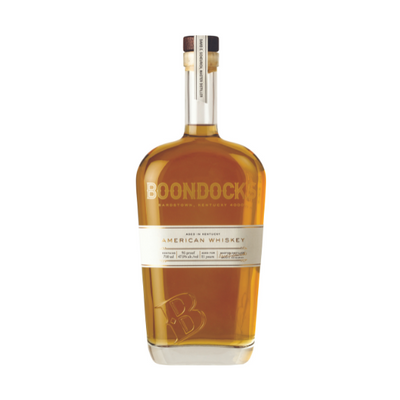
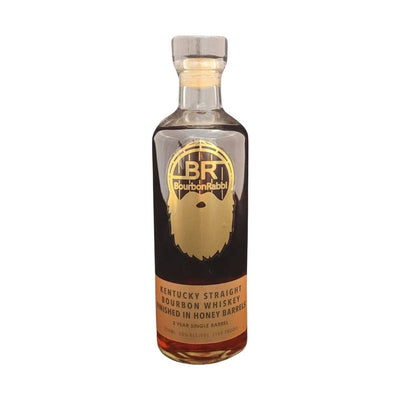
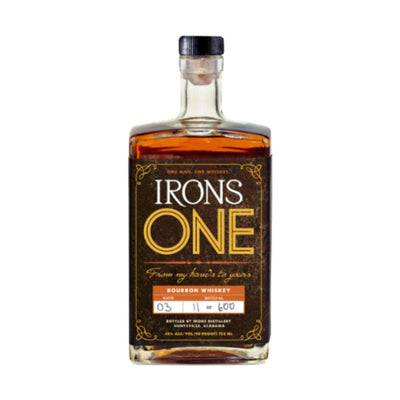
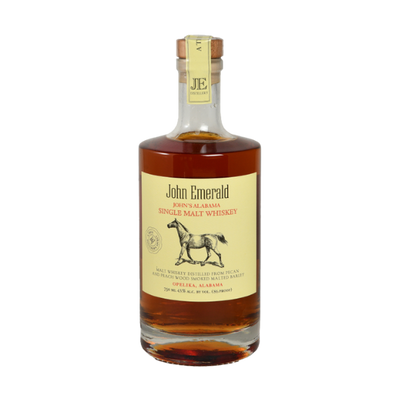
Real bottles from craft makers on Tipxy.
Sources
- The Scotch Whisky Regulations 2009, reg. 3 (definition and categories) accessed 2026-10-12
- The Scotch Whisky Regulations 2009, reg. 8 (compulsory sales descriptions) accessed 2026-10-12
- The Scotch Whisky Regulations 2009, reg. 10 (localities and regions) accessed 2026-10-12
- Scotch Whisky Association — Story of Scotch accessed 2026-10-12
- Scotch Whisky Association — Facts & Figures accessed 2026-10-12
- Scotch Whisky Association — FAQs accessed 2026-10-12
- Scotch Whisky Association — Scotch Whisky Regions accessed 2026-10-12
- 27 CFR 5.143 Whisky (eCFR) accessed 2026-10-12
- Irish Whiskey Technical File (Dept of Agriculture, Food and the Marine, Oct 2014) accessed 2026-10-12
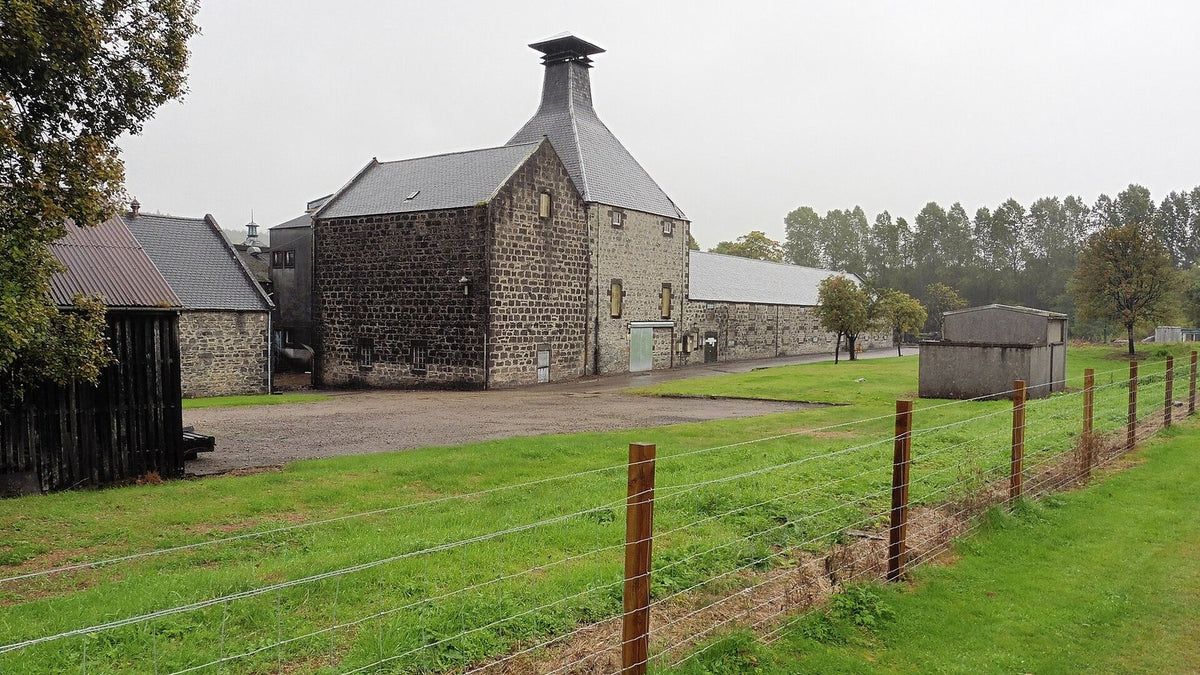
Photo: Dave Kelly, CC BY-SA 2.0, via Wikimedia Commons