

Spirit Academy › Whiskey › Peated Whisky
Peated Whisky
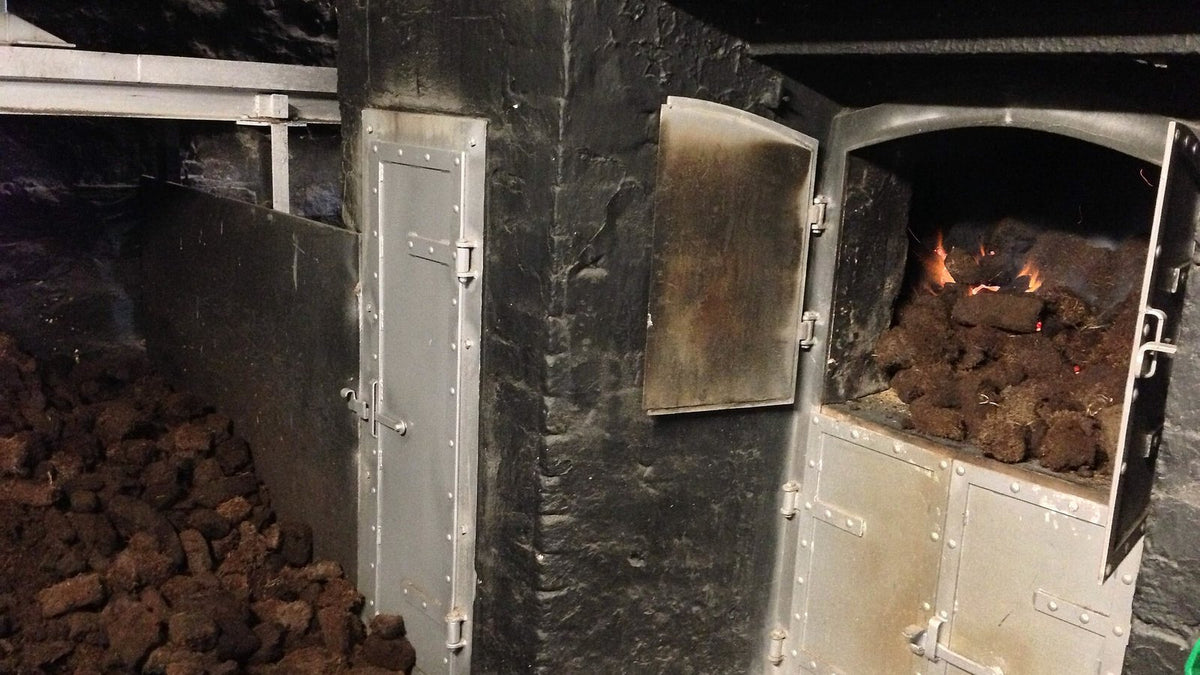
The smoke in a smoky whisky comes from drying malted barley over a peat fire. It happens before distillation, and it can happen anywhere.
In one sip
Peat is the smell of a Scottish bonfire in a glass: smoke, tar, iodine, sometimes bacon or seaweed. It is a fuel, not a region. Islay is famous for heavily peated whiskies, but the smoke comes from how the barley is dried, and that can happen anywhere.
Where it started
The SWA explains the mechanism in a sentence: the smoky flavour of certain Scotch whiskies originates from the peat fire over which the barley is dried, prior to grinding and mashing.1
Where and how it's made
Malted barley is barley that has been partially germinated, then heated or roasted to stop the germination.3 Do that drying over a peat fire and the smoke ends up in the whisky; grinding and mashing follow as normal.1
Peat is not confined to Islay. The SWA lists Islay as famous for fiery, heavily peated whiskies, Campbeltown with hints of smoke, and describes Speyside as frugal with peat, not peat-free.2 Ireland is the exception by tradition: its pot still whiskey is currently made from non-peated malt.4
How to taste it
Nose it twice: the first sniff is all smoke, the second finds what is underneath. Water helps. Try it with oysters, smoked salmon, blue cheese or dark chocolate; strong flavors stand up to the smoke. In a highball, the smoke turns gentle and savory.
Styles and what the label means
Words to know
Tap a term to get asked about it in The Tasting Room.
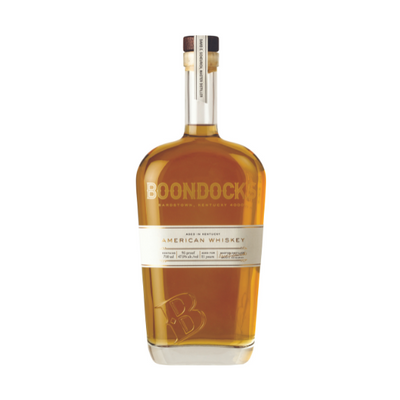
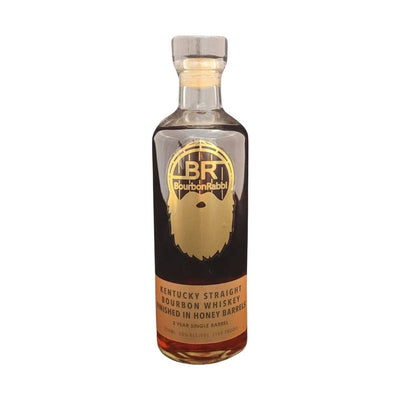
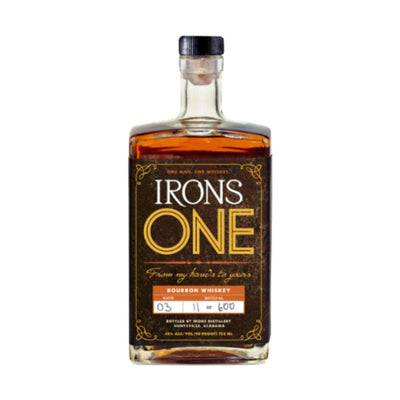
Start here — craft pours to try
Real bottles from craft makers on Tipxy.
Sources
- Scotch Whisky Association — FAQs accessed 2026-10-12
- Scotch Whisky Association — Scotch Whisky Regions accessed 2026-10-12
- Kentucky Distillers' Association — Glossary accessed 2026-10-12
- Irish Whiskey Technical File accessed 2026-10-12
Photo: sebastian.b., CC BY 2.0, via Wikimedia Commons