

Spirit Academy › Whiskey › Highland
Highland
Scotland's biggest whisky region, which legally takes in the islands too: from light heather-honey malts to salty coastal drams.
In one sip
"Highland" on a label names a big, varied place rather than a single flavor. The SWA says it plainly: this region, which also takes in the islands, has a huge diversity of flavours and characters, from lighter whiskies all the way through salty coastal malts. Think of it as a map, not a style.
Where it started
The 2009 Scotch Whisky Regulations fix the boundary in writing. "Highland" comprises the part of Scotland north of a line that begins at the North Channel, runs along the Firth of Clyde to Greenock, then to Cardross Station, east to Earl's Seat in the Campsie Fells, to the Wallace Monument, along the B998 and A91 to the M90 at Milnathort, up to the Bridge of Earn, along the River Earn to the Tay, and out to the North Sea.2
Where and how it's made
Highland single malts follow the standard single malt rules: one distillery, only water and malted barley, pot stills, three years minimum in oak casks in Scotland.3 The region stretches from Perthshire to Orkney and takes in islands such as Skye, Mull, Jura and Arran, so character varies with place. The SWA notes that "Islands" is not a Scottish place or regional name and cannot supplement a category name. An island malt may say Highland, or use its own locality name, such as Orkney, if it was entirely distilled there.4
Speyside, Islay and Campbeltown all sit geographically within the Highland region, and distillers in those places may choose which description to use.4 A whisky may only carry the Highland name if it was distilled north of the line.2
How to taste it
Because the region is so broad, taste by latitude: a Perthshire malt, a northern coastal malt and an island malt in a row show the range in one sitting. Tulip glass, a few drops of water. Pairings follow the style: lighter malts with roast chicken or shortbread; coastal malts with smoked fish or oysters.
Styles and what the label means
- Coastal and island Highland — the "salty coastal malts" end of the range.1
- Peated Highland — smoke from any Highland or island distillery. peated-whisky →
- Sherry-finished Highland — dried fruit over the malt. cask-finishes →
- Speyside — the Highland sub-region with its own name. speyside →
- Lowland — everything south of the line. lowland →
Words to know
Tap a term to get asked about it in The Tasting Room.
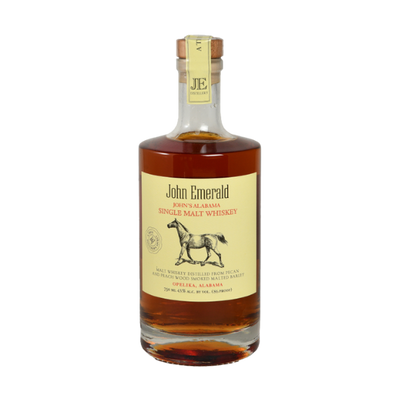
Start here — craft pours to try
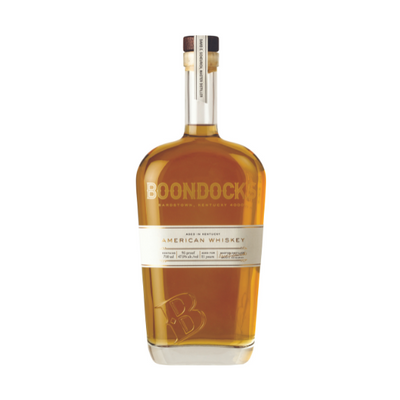
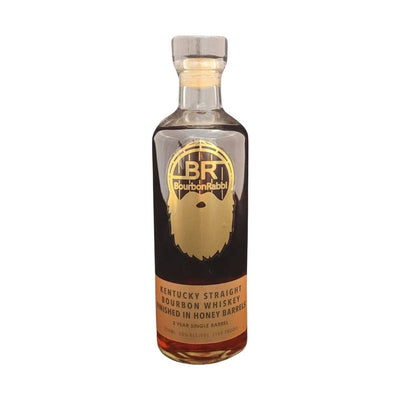
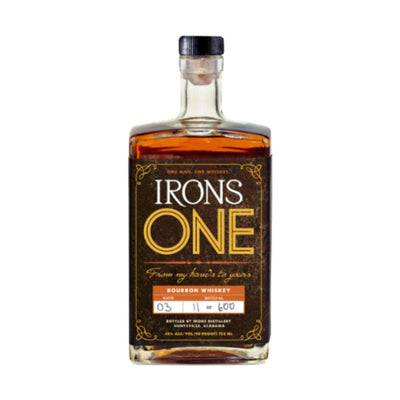
Real bottles from craft makers on Tipxy.
Sources
- Scotch Whisky Association — Scotch Whisky Regions accessed 2026-10-12
- The Scotch Whisky Regulations 2009, reg. 10 accessed 2026-10-12
- The Scotch Whisky Regulations 2009, reg. 3 accessed 2026-10-12
- Scotch Whisky Association — FAQs accessed 2026-10-12
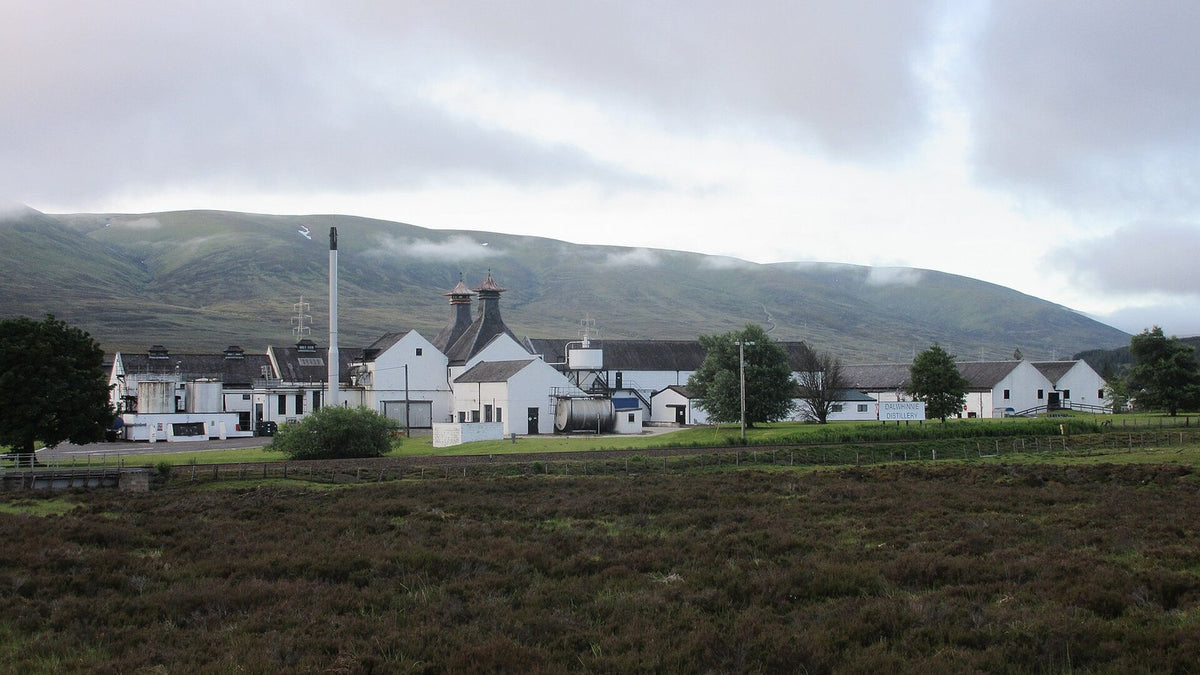
Photo: Scott Cormie, CC BY-SA 2.0, via Wikimedia Commons