


Spirit Academy › Whiskey › Flavored Whiskey
Flavored Whiskey
Cinnamon, honey, peanut butter, apple: a real whiskey base plus natural flavor, bottled at 30 percent or more, never allowed to call itself straight.
In one sip
Flavored whiskey is whiskey with something added, and U.S. law is precise about what that means. The base has to be a real whiskey before the flavor goes in, the flavor has to be natural, and the bottle has to be at least 60 proof. Sugar, not strength, is what makes a liqueur: at least 2.5 percent by weight.
Where it started
Sweetened whiskey has a long-standing federal type of its own: rock and rye, a liqueur of rye whiskey with rock candy or sugar syrup, bottled at not less than 24 percent alcohol, with at least 51 percent of the spirit from rye whiskey.2 The federal framework for "flavored spirits" lives in 27 CFR 5.151.1
Where and how it's made
The class is defined as distilled spirits conforming to one of the standards of identity to which nonbeverage natural flavors, wine, or nonalcoholic natural flavoring materials have been added, with or without sugar, and bottled at not less than 30 percent alcohol by volume (60 proof).1 The label must name the single base spirit and the predominant flavor, for example "Cherry Vanilla Flavored Bourbon Whisky," and the base must meet its own standard before flavoring.1 If the product contains more than 2.5 percent wine by volume, the kind and percentage must be stated as part of the designation.1
Why "straight" never appears on these bottles: adding any material whatsoever to straight whisky requires redesignation, so once flavor goes in, the word straight comes off.3 More generally, harmless coloring, flavoring or blending materials that are not essential to a class are limited to 2.5 percent by volume before the product must be redesignated, which is what pushes a flavored product out of plain "whisky" and into "flavored whisky."3 Bourbon may not contain such materials at all, which is why a flavored bourbon must be labeled as flavored.4
A product built on sugar and flavor can instead be a cordial or liqueur. That class is defined by sugar, at least 2.5 percent by weight, not by strength, and it may not be called "straight."2 A "bourbon liqueur" must be at least 30 percent alcohol with at least 51 percent of its spirit from bourbon.2 Canada takes a looser view: its whisky standard simply says Canadian whisky "may contain flavouring."5
How to taste it
Chilled is how most of it is drunk, and that is fine. To judge quality, taste at room temperature and ask two questions: can you still taste whiskey under the flavor, and is the sweetness balanced by anything (spice, acidity, oak)? Pairings: cinnamon whiskey with apple pie, honey whiskey with lemon in a hot toddy, peanut butter whiskey with a chocolate dessert.
Styles and what the label means
- Flavored bourbon / rye / Tennessee whisky — a named-grain base plus natural flavor, 60 proof minimum.1
- Flavored Canadian whisky — a Canadian base; in Canada the flavoring is simply allowed.5 canadian-whisky →
- Whiskey liqueur / bourbon liqueur — sugar-forward, 30 percent minimum for bourbon or rye liqueurs.2
- Rock and rye — rye whiskey with rock candy, 24 percent minimum.2
- "Cinnamon whisky" at under 60 proof — too weak to be a flavored whisky; read the class line on the label.1
Words to know
Tap a term to get asked about it in The Tasting Room.
Start here — craft pours to try
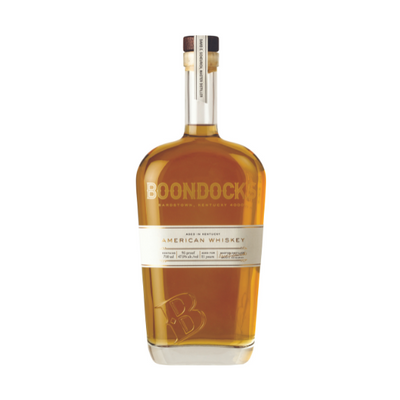
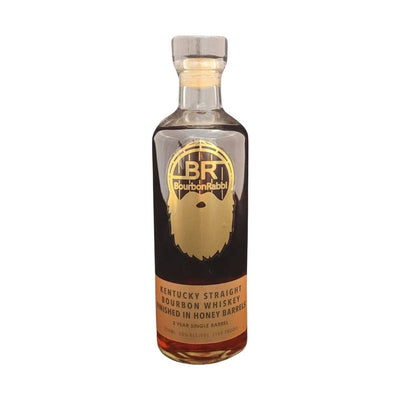
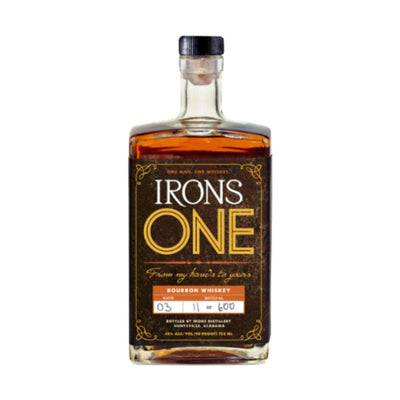
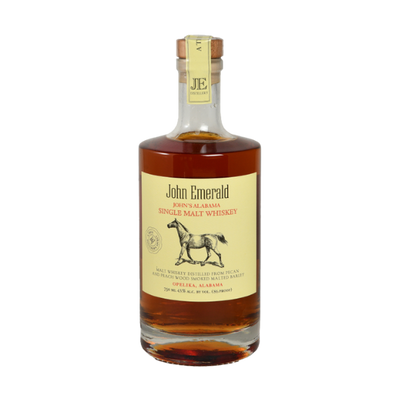
Real bottles from craft makers on Tipxy.
Sources
- 27 CFR 5.151 Flavored spirits (eCFR) accessed 2026-10-12
- 27 CFR 5.150 Cordials and liqueurs (eCFR) accessed 2026-10-12
- 27 CFR 5.155 Alteration of class and type (eCFR) accessed 2026-10-12
- 27 CFR 5.143 Whisky (eCFR) accessed 2026-10-12
- Canadian Food Compositional Standards (CFIA), 2.1.3 accessed 2026-10-12
Photo: Gnu-Bricoleur, CC BY 4.0, via Wikimedia Commons