

Spirit Academy › Whiskey › Tennessee Whiskey
Tennessee Whiskey
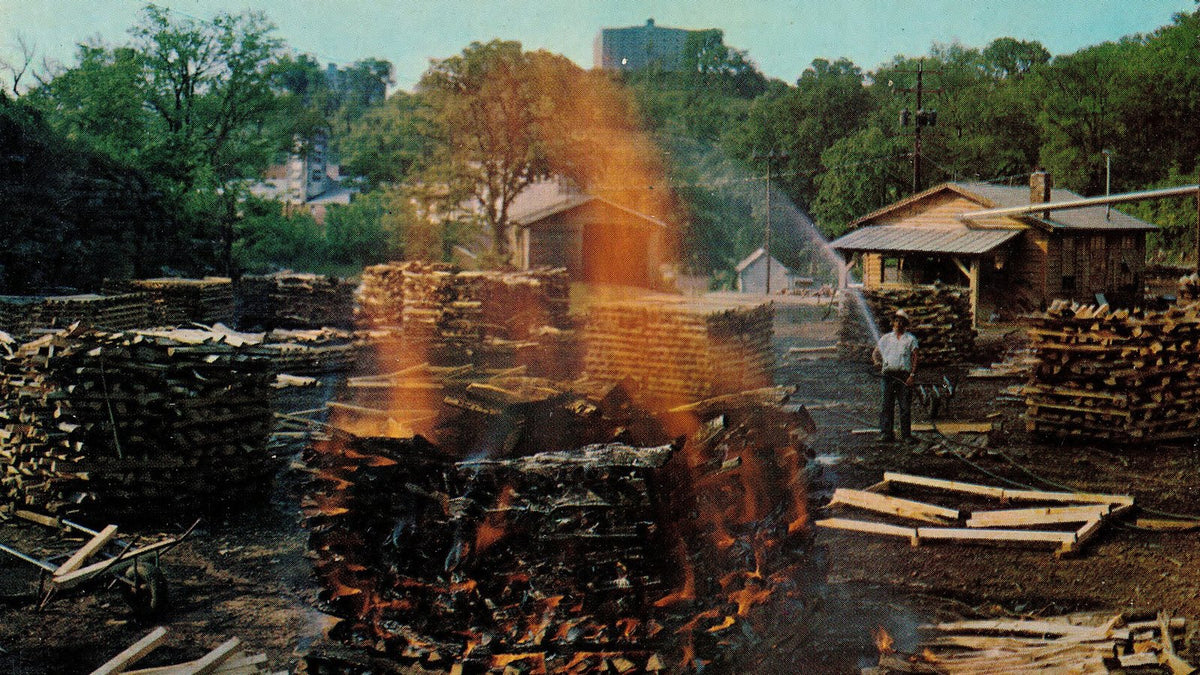
A bourbon-like recipe plus maple-charcoal filtering before the barrel, made and aged in Tennessee, written into state law in 2013.
In one sip
Tennessee whiskey follows a bourbon-like recipe and adds a detour: filtering through maple charcoal before the barrel. Legally it is a state matter: federal rules do not define Tennessee whiskey, but Tennessee itself does, and in some detail.
Where it started
Tennessee wrote its own definition into state law through an amendment to House Bill 1084 that took effect on July 1, 2013.1 The law set seven production requirements and a 36-month transition for existing permit holders, with one carve-out: the charcoal-filtering requirement does not apply to a distillery in a county that approved manufacturing by referendum between January 1, 1979 and January 1, 1980, and was first licensed between January 1, 2000 and January 1, 2001.1 A distillery that meets those dates may sell Tennessee whiskey that skips the charcoal.1
Where and how it's made
Under Tennessee law, a spirit cannot be labeled or marketed as "Tennessee Whiskey," "Tennessee Whisky," "Tennessee Sour Mash Whiskey" or "Tennessee Sour Mash Whisky" unless it is manufactured in Tennessee; made from a grain mixture that is at least 51 percent corn; distilled to no more than 160 proof; aged in new, charred oak barrels in Tennessee; filtered through maple charcoal prior to aging; placed in the barrel at no more than 125 proof; and bottled at not less than 80 proof.1 A manufacturer who breaks the rule faces license suspension or revocation for at least a year.1
Read those seven rules against the federal bourbon standard (51 percent corn, 160 proof, new charred oak, 125 proof entry) and the numbers line up; the state adds charcoal and geography.21 The state text does not repeat bourbon's federal ban on added coloring and flavoring, so the two definitions are close but not identical. Canada agrees it is its own thing: Canadian regulations treat "Tennessee whisky" as a distinct imported product that may only be adjusted with water, and exempt it along with bourbon from Canada's three-year aging rule.4
How to taste it
Side by side with a Kentucky bourbon of similar age and proof is the clearest way to judge the charcoal. Note what changes in body and finish, and decide for yourself what the charcoal does. It is a natural with barbecue, cola (the Tennessee highball), and anything with brown sugar.
Styles and what the label means
- Tennessee whiskey — the seven-rule state definition above.1
- Tennessee sour mash whiskey — the same definition;1 the KDA glossary lists "sour mash" as another name for backset.3
- Single barrel Tennessee whiskey — one barrel, unmingled.3 single-barrel →
- Bottled-in-Bond Tennessee — the federal bond rules apply to any U.S. whiskey. bottled-in-bond →
- Flavored "Tennessee" products — honey, apple and cinnamon versions are flavored whiskey or liqueur, not Tennessee whiskey. flavored-whiskey →
Words to know
Tap a term to get asked about it in The Tasting Room.
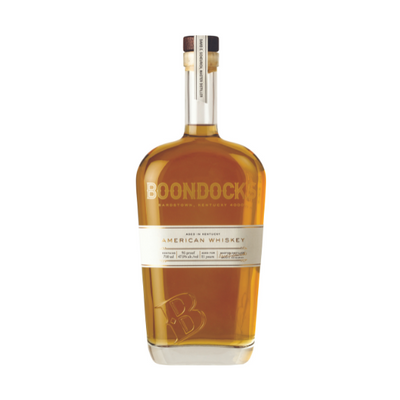
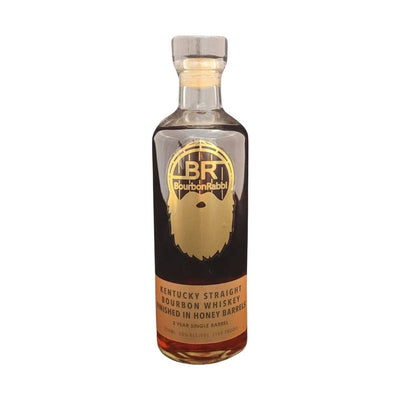
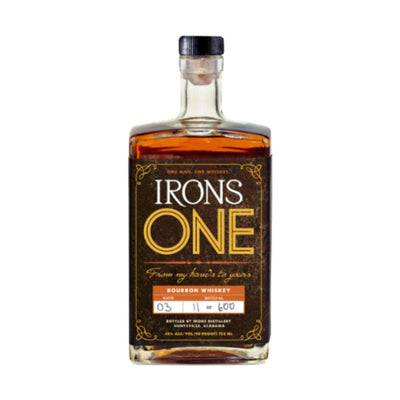
Start here — craft pours to try
Real bottles from craft makers on Tipxy.
Sources
- Tennessee House Amendment 1 to HB1084 (2013), defining Tennessee Whiskey accessed 2026-10-12
- 27 CFR 5.143 Whisky (eCFR) accessed 2026-10-12
- Kentucky Distillers' Association — Glossary accessed 2026-10-12
- Canada Food and Drug Regulations, B.02.022.1 and B.02.023 accessed 2026-10-12
Photo: Tichnor Brothers (postcard publisher), Public domain, via Wikimedia Commons