

Spirit Academy › Asian Other › Asian and Other Spirits
Asian and Other Spirits
Sake, shochu, soju, baijiu, Korean rice wines and Nordic aquavit: the drinks built on mold starters, and the caraway spirit of the north.
In one sip
This family is two stories. The first is East Asia's: rice, sorghum, barley and sweet potato turned into drink not with malt but with mold, from Japan's sake and shochu to Korea's soju and makgeolli to China's baijiu. The second is the North's: aquavit, a caraway- or dill-scented spirit that Scandinavians pour at Christmas and midsummer. Different worlds, same idea: the local grain, the local starter, and a drink built to sit next to food.
Where it started
The common thread in the East is the mold starter. Chinese brewers grew it on grain as qu, a cake of mashed grain full of molds, yeasts and bacteria; the Oxford Companion calls it the most important innovation in East Asian winemaking, and notes it spread to Japan, Korea and beyond.1 Qu lets starch become sugar and sugar become alcohol in one vessel, at the same time.1 Japan's version is koji, which the sake industry describes as steamed rice treated with the Aspergillus oryzae fungus.4 The first domestic record of koji in Japanese alcohol dates to the 8th century.6
Distillation came later. Baijiu's earliest written reference, from the 16th century, places the start of Chinese distilling in the Yuan dynasty (1271–1368), though archaeology suggests older roots.2 Distilling reached Korea during the Goryeo dynasty with the Mongols, and the new spirit was called soju, "burned liquor."9 It reached the Japanese islands around the 15th century through southern trade routes.6
In Scandinavia, an early written reference to aquavit is a 1531 letter from Eske Bille to the archbishop of Trondheim.3 Like whisky and eau-de-vie, the name means "water of life."3
Where and how it's made
Brewed, not distilled
Sake is fermented from rice, koji and water, and is not a spirit.4 Its trick is multiple parallel fermentation: the koji makes sugar while the yeast makes alcohol, in the same mash.4 Korea's makgeolli and cheongju are brewed the same family way, with nuruk as the starter.9
Distilled once, full of flavor
Honkaku shochu is pot-distilled from a base ingredient and koji, and tastes of what it was made from; ko-rui shochu goes through a column still and keeps little of that character.5 Soju splits the same way, into traditional pot-distilled soju and the diluted green bottle.7
Solid-state and sorghum
Baijiu, literally "white spirits," is most often made from sorghum and fermented with qu in solid form; most of it is distilled by passing steam through the fermented grain itself.2
Neutral spirit, then seeds
EU law defines akvavit or aquavit as a spirit flavored with caraway or dill seeds or both, bottled at no less than 37.5 percent.8
How to taste it
Match the drink to its custom. Sake can go chilled, at room temperature or warmed; baijiu is usually served neat at room temperature with toasts through a meal.2 Shochu is often cut with water, hot or cold. Aquavit is classically a small chilled pour, raised with "skål."3 Pairings: sashimi with a ginjo sake, grilled pork with sweet potato shochu, cured herring with a caraway aquavit.
Styles and what the label means
Words to know
Tap a term to get asked about it in The Tasting Room.
Start here — craft pours to try
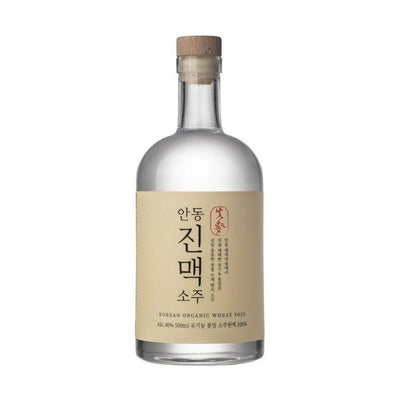
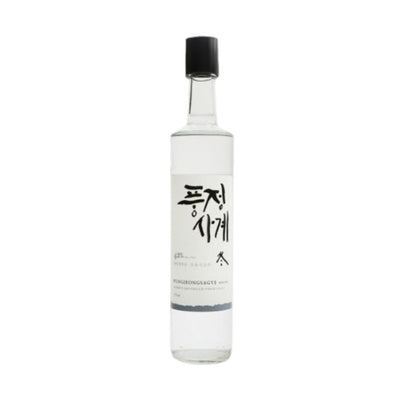
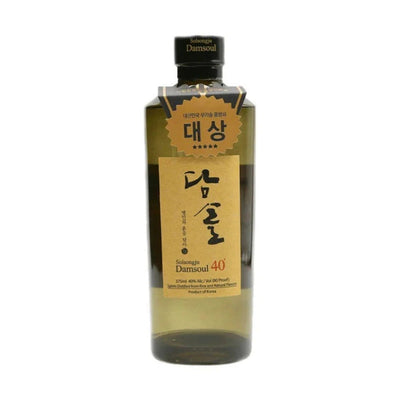
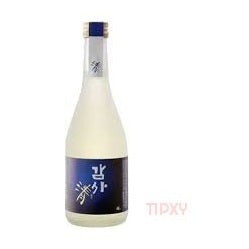
Real bottles from craft makers on Tipxy.
Sources
- The Oxford Companion to Spirits & Cocktails — qu accessed 2026-10-12
- The Oxford Companion to Spirits & Cocktails — baijiu accessed 2026-10-12
- The Oxford Companion to Spirits & Cocktails — aquavit accessed 2026-10-12
- Japan Sake and Shochu Makers Association — How is Sake Made? accessed 2026-10-12
- Japan Sake and Shochu Makers Association — What is Shochu? accessed 2026-10-12
- Japan Sake and Shochu Makers Association — The History of Shochu accessed 2026-10-12
- The Oxford Companion to Spirits & Cocktails — soju accessed 2026-10-12
- Regulation (EU) 2019/787 on spirit drinks, Annex I accessed 2026-10-12
- Morning Calm (Korean Air) — A Sip of Korean Heritage, Sep/Oct 2025 accessed 2026-10-12
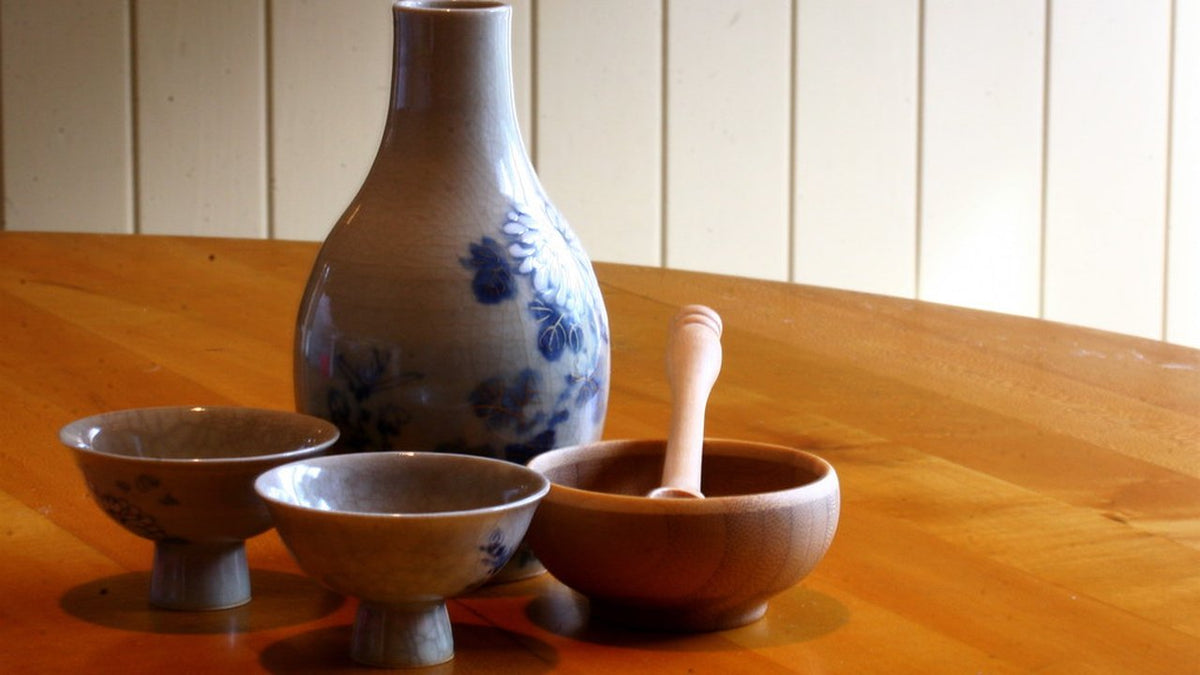
Photo: liz west (Flickr: Muffet), CC BY 2.0, via Wikimedia Commons