

Spirit Academy › Asian Other › Shochu
Shochu
Japan's koji spirit, distilled once so it tastes of sweet potato, barley, rice or brown sugar; awamori is its Okinawan elder.
In one sip
Shochu is the spirit that tastes of its raw material. Made with koji like sake, then distilled only once, a sweet potato shochu smells of steamed sweet potato and a barley shochu of toasted grain. Most bottles sit at 25 percent, low for a spirit, and Japan drinks it with water and food.
Where it started
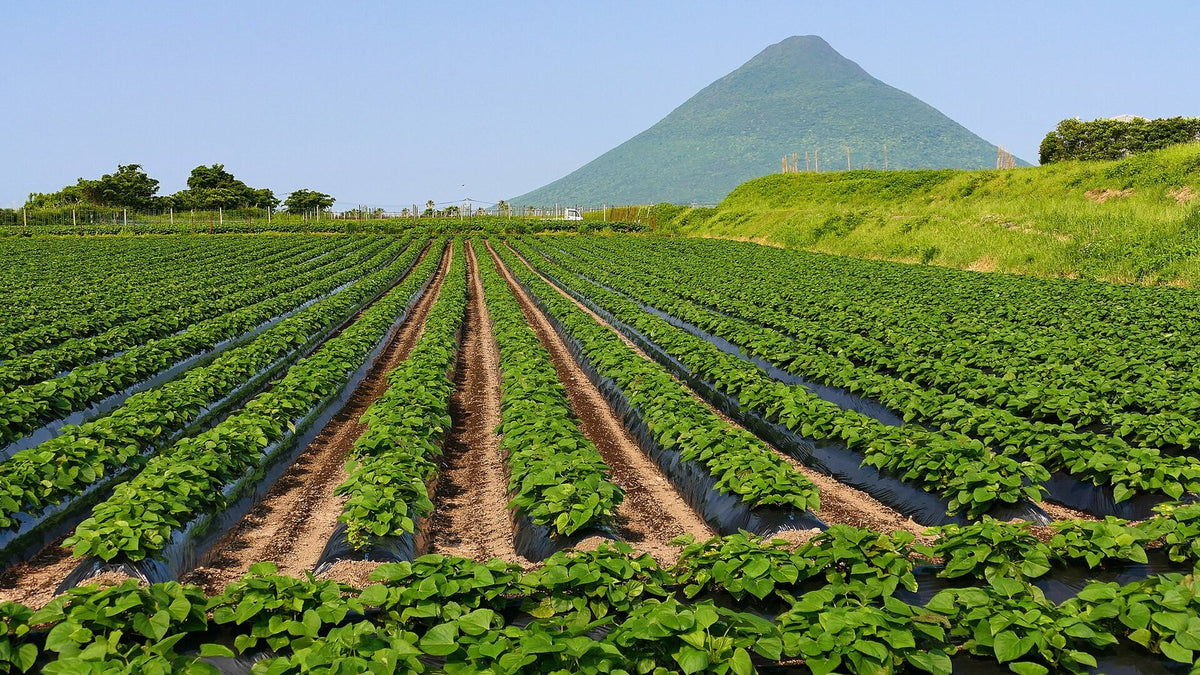
Distillation reached the Japanese islands around the 15th century through the Ryukyu Kingdom's trade.3 The oldest record is a 1546 report by the Portuguese merchant Jorge Alvarez of a rice spirit drunk in today's Kagoshima; the oldest Japanese written use of the word "shochu" is a carpenter's 1559 complaint that the head priest never offered any.3 Sweet potatoes reached Okinawa from China in the early 17th century and became Kagoshima's main base, while Iki Island farmers turned to barley because rice went to taxes.3 White koji, a mutant of Okinawa's black koji, was discovered by Genichiro Kawachi, and the reduced-pressure still developed in Fukuoka made lighter shochu possible.3 A Fukuoka producer built the first vacuum still for shochu in 1973.5
Where and how it's made
Honkaku shochu is pot-distilled from a base ingredient and koji; ko-rui shochu is column-distilled and retains little of its ingredients' flavor.1 JETRO puts the line in numbers: honkaku shochu is 45 percent or less, and continuously distilled shochu is under 36 percent.12 There are over 50 legally approved base ingredients, led by sweet potato, barley, rice, brown sugar and buckwheat.4
The process runs in two mashes: koji, water and yeast first, then the base ingredient, which ferments to about 14 to 19 percent.6 One distillation brings it to 37 to 45 percent, and most shochu is cut to 20 to 25 percent before bottling.6 Atmospheric distillation gives rich flavor; vacuum distillation at 45 to 55°C gives lighter, more floral spirit.5 Most stills are stainless steel; copper has not traditionally been used in Japan.5
Over 90 percent of shochu comes from Kyushu and Okinawa.2 Iki, Kuma and Ryukyu were designated GIs on June 30, 1995, and Satsuma on December 22, 2005.13
How to taste it
Try it four ways: straight at room temperature, mizu-wari (cold water), oyu-wari (hot water, especially popular in winter) and soda-wari.8 Classic tea matches: sweet potato with oolong, rice with green tea, barley with barley tea.8 Pairings: braised pork belly, satsuma-age fish cakes, yakitori.
Styles and what the label means
- Imo (sweet potato) — earthy, sweet; Satsuma Shochu is the Kagoshima GI.4
- Mugi (barley) — nutty to light; Iki uses rice koji and barley at 1:2.9
- Kome (rice) — Kuma Shochu is the rice GI of southern Kumamoto.4
- Kokuto (brown sugar) — legal only in the Amami Islands, and must use rice koji.11
- Awamori — Okinawa's shochu of indica rice and black koji, usually 30 percent.10
- Kusu — awamori aged three years or more.7
Words to know
Tap a term to get asked about it in The Tasting Room.
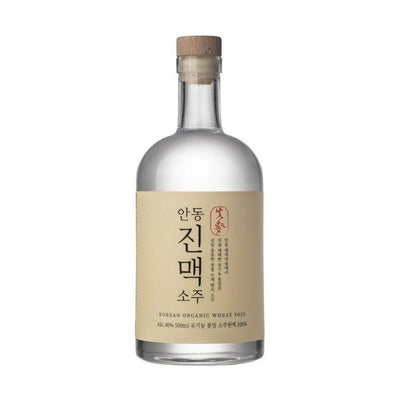
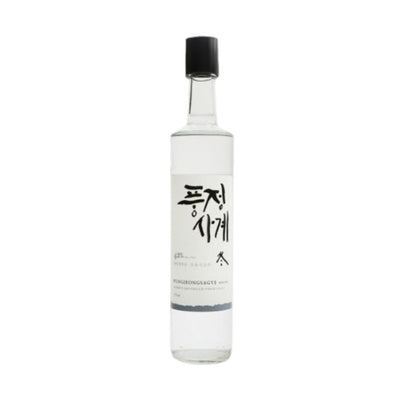
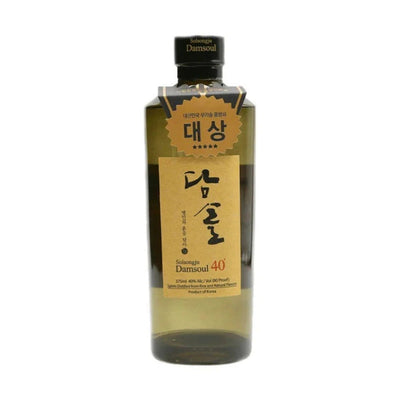
Start here — craft pours to try
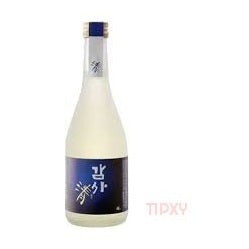
Real bottles from craft makers on Tipxy.
Sources
- Japan Sake and Shochu Makers Association — What is Shochu? accessed 2026-10-12
- Japan Sake and Shochu Makers Association — Shochu FAQs accessed 2026-10-12
- Japan Sake and Shochu Makers Association — The History of Shochu accessed 2026-10-12
- Japan Sake and Shochu Makers Association — What is Shochu Made Of? accessed 2026-10-12
- Japan Sake and Shochu Makers Association — Shochu Distillation Methods accessed 2026-10-12
- Japan Sake and Shochu Makers Association — How is Shochu Made? accessed 2026-10-12
- Japan Sake and Shochu Makers Association — Aging Shochu accessed 2026-10-12
- Japan Sake and Shochu Makers Association — How to Serve Shochu accessed 2026-10-12
- Japan Sake and Shochu Makers Association — Iki Shochu accessed 2026-10-12
- Japan Sake and Shochu Makers Association — Ryukyu Awamori accessed 2026-10-12
- Japan Sake and Shochu Makers Association — Amami Kokuto Shochu accessed 2026-10-12
- JETRO — Honkaku shochu (Highlighted Japanese Ingredients) accessed 2026-10-12
- National Tax Agency (Japan) — Information on GIs protected in Japan accessed 2026-10-12
Photo: MaedaAkihiko, CC BY-SA 4.0, via Wikimedia Commons