

Spirit Academy › Asian Other › Baijiu
Baijiu
China's grain spirit, made by solid-state fermentation with qu and sorted by aroma: strong, light, sauce and rice, each with its own national standard.
In one sip
Baijiu means "white spirits," and by volume it is the world's most popular liquor. It is also unlike anything in the Western cabinet: grain fermented damp in pits or jars with qu, distilled by steaming the grain itself, aged in clay and blended. Expect big aromas; in classic sauce-aroma baijiu from Guizhou's Chishui valley, one distillery's technicians recognize more than three hundred, from soy sauce and mushroom to tropical fruit.
Where it started
China was brewing qu-fermented grain wine, huangjiu, by the time it unified in 221 BCE.1 The earliest written reference to baijiu, from the 16th century, places the start of distilling in the Yuan dynasty (1271–1368), and by the early Ming dynasty China had a drink resembling modern baijiu.1 After 1949 the state consolidated workshops into large distilleries, such as Luzhou Laojiao, founded in 1951.17 The government held its first national evaluation in 1952, naming four famous distilleries; by the 1979 evaluation the categories became sauce, strong, light and rice aroma.8
Where and how it's made
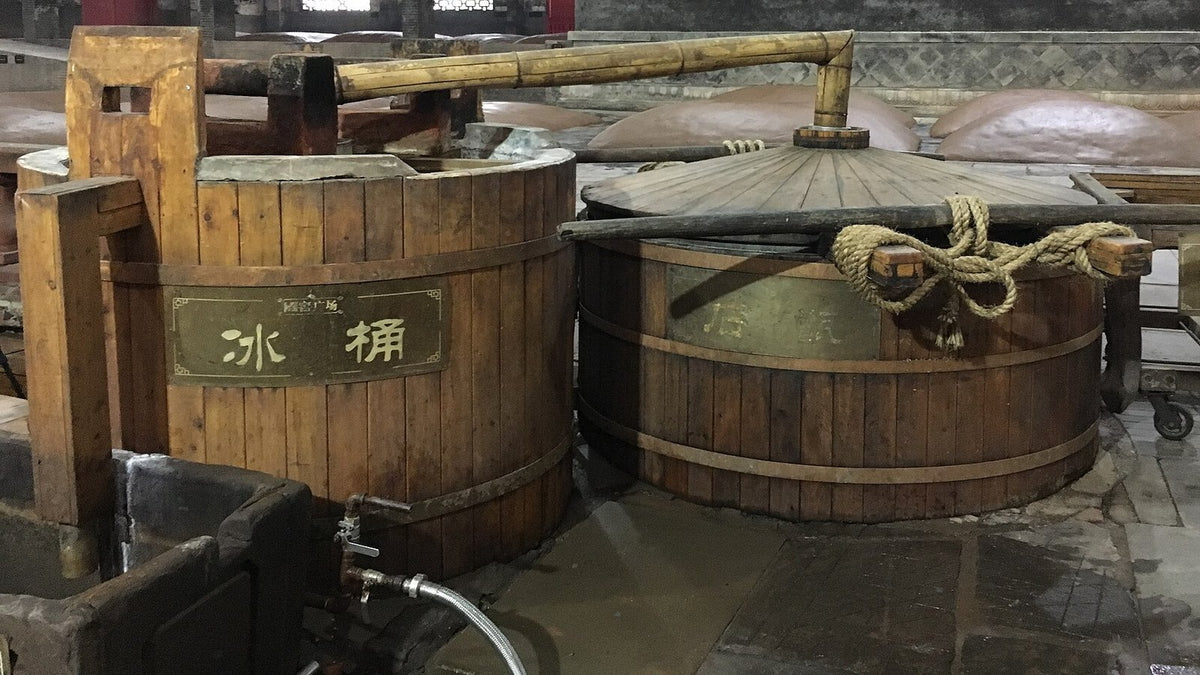
Most baijiu is distilled from sorghum, though rice, wheat, corn and millet are common.1 Every style uses qu: big qu, wheat-based bricks, is the preferred starter for most popular styles, while small qu, made from rice, is used for rice-based drinks.2 Grains are steamed, cooled, mixed with qu and fermented in solid state; most baijiu is then distilled in Chinese pot stills that pass steam through the fermented grain.1
Each major aroma type now has its own part of China's national standard GB/T 10781. Part 1 (2021) covers nongxiang, strong aroma; Part 2 (2022) qingxiang, light aroma; Part 3 mixiang, rice aroma.91011 Sauce aroma, jiangxiang, sat in GB/T 26760-2011 until GB/T 10781.4-2024 replaced it, effective June 1, 2025.12 The definitions for strong and light aroma both rule out adding edible alcohol, directly or indirectly.910
How to taste it
Baijiu is traditionally served neat, at room temperature, through a meal of communal toasts.1 Use a small glass and sip before you toast. Pairings: Sichuan dishes with strong aroma, Peking duck with light aroma, braised pork with sauce aroma.
Styles and what the label means
- Strong aroma (nongxiang) — mud-pit fermentation, rich and fiery; at least two-thirds of all baijiu, centered on Sichuan.3
- Light aroma (qingxiang) — sorghum fermented in pots, named for mild flavor rather than low strength; Fenjiu of Shanxi and Beijing's erguotou.4
- Sauce aroma (jiangxiang) — Guizhou's soy-sauce-scented style, made by repeated fermentation and distillation of the same grain over about a year.5
- Rice aroma (mixiang) — the rice-based style of China's southeast.118
Words to know
Tap a term to get asked about it in The Tasting Room.
Start here — craft pours to try
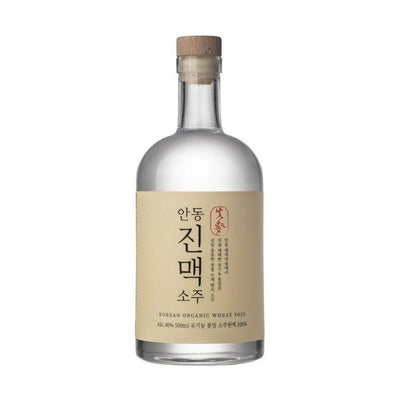
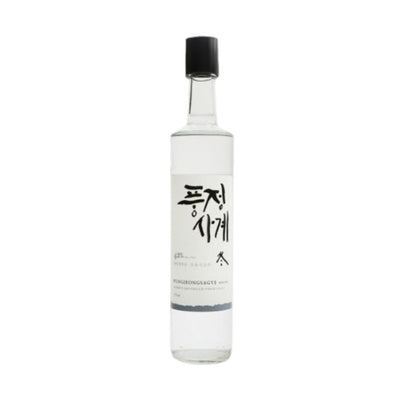
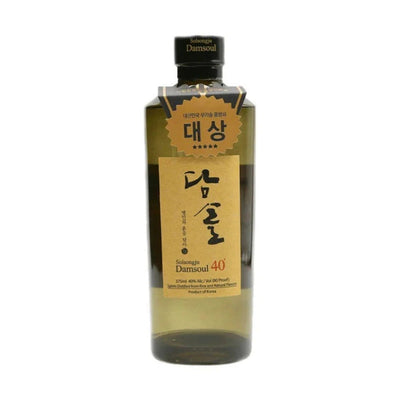
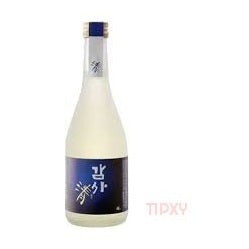
Real bottles from craft makers on Tipxy.
Sources
- The Oxford Companion to Spirits & Cocktails — baijiu accessed 2026-10-12
- The Oxford Companion to Spirits & Cocktails — qu accessed 2026-10-12
- The Oxford Companion to Spirits & Cocktails — strong-aroma-style baijiu accessed 2026-10-12
- The Oxford Companion to Spirits & Cocktails — light-aroma-style baijiu accessed 2026-10-12
- The Oxford Companion to Spirits & Cocktails — sauce-aroma-style baijiu accessed 2026-10-12
- The Oxford Companion to Spirits & Cocktails — Kweichow Moutai accessed 2026-10-12
- The Oxford Companion to Spirits & Cocktails — Luzhou Laojiao accessed 2026-10-12
- Spirits Selection by Concours Mondial de Bruxelles — The World of Baijiu: Aroma Classification accessed 2026-10-12
- GB/T 10781.1-2021 Quality requirements for baijiu, Part 1: Nongxiangxing (chinesestandard.net listing) accessed 2026-10-12
- GB/T 10781.2-2022 Quality requirements for baijiu, Part 2: Qingxiangxing (chinesestandard.net listing) accessed 2026-10-12
- GB/T 10781.3-2025 Quality requirements for baijiu, Part 3: Mixiangxing (chinesestandard.net listing) accessed 2026-10-12
- GB/T 10781.4-2024 Quality requirements for baijiu, Part 4: Jiangxiangxing (chinesestandard.net listing) accessed 2026-10-12
Photo: Xiaomage de, CC BY-SA 4.0, via Wikimedia Commons