


Spirit Academy › Asian Other › Korean and Other Rice Wines
Korean and Other Rice Wines
Makgeolli, yakju and cheongju: Korea's brewed rice drinks, made with nuruk and recognized as national heritage in 2021; plus China's huangjiu.
In one sip
Before Korea distilled anything, it brewed. Makgeolli, the milky, lightly sparkling rice wine, is the everyday one; yakju and cheongju are the clear, refined ones drawn from the top of the same kind of brew. All start with rice, water and nuruk.
Where it started
Experts believe makgeolli was made before the Three Kingdoms period, and the word takju appears in Goryeo-dynasty documents.1 Brewing was household work: 17th-century recipe books such as the Eumsik Dimibang, by Lady Jang of Andong, record women brewing at home.3 A 1909 liquor tax law required permission to brew at home, and laws from 1934 through 1995 forbade it.1 The 1966 grain import policy pushed makgeolli onto imported flour and corn; all restrictions on liquor ingredients were lifted in 1990, and rice makgeolli returned.1 In the 2010s the government permitted traditional liquors to be sold online, which opened the way for premium makgeolli.3 On June 15, 2021, the Cultural Heritage Administration designated makgeolli-making a National Intangible Cultural Heritage.2
Where and how it's made
Glutinous rice is steamed into a firm base called godubap, mixed with nuruk and water and fermented in an earthenware pot (suldok).3 When it is ready, the clear top layer is drawn off as cheongju; the rest is strained with its dregs, jigemi, and thinned with water into makgeolli.1 Rice is usual, but regions used millet, sorghum, corn, barley or sweet potato.1 Makgeolli runs about six percent alcohol.1
Korea's Liquor Tax Act lists makkoli, rice wine and refined rice wine as separate brewed classes.4 Since January 2020, takju (makgeolli) has been taxed by the volume shipped, 41.7 won per liter at the switch, instead of 5 percent of price.5 Exports of makgeolli reached US$15.7 million in 2021, up 27.6 percent.6
China's counterpart is huangjiu, "yellow wine," brewed with qu and as strong as about 15 percent; it was long the preferred drink of the Chinese elite.8
How to taste it
Shake makgeolli gently to bring the sediment back, pour it into a bowl or wide cup, and serve it cold. Look for rice sweetness, tartness and a creamy finish. It is a classic partner to kimchi and bindaetteok, mung bean pancakes.2 It still carries ritual weight: Koreans offer it at ceremonies for new buildings, new cars and new restaurants.2 Serve cheongju chilled in a small glass, like sake.
Styles and what the label means
- Makgeolli (takju) — cloudy, unfiltered; "mak" means roughly or carelessly sifted.1
- Cheongju — clear rice wine drawn from the top of the brew.1
- Yakju — refined rice wine, sometimes brewed with medicinal herbs.3
- Ihwaju — a thick, spoonable makgeolli made without added water.3
- Munbaeju — not a rice drink at all: a grain liquor of millet and sorghum with the scent of pears.7
- Huangjiu — China's brewed "yellow wine."8
Words to know
Tap a term to get asked about it in The Tasting Room.
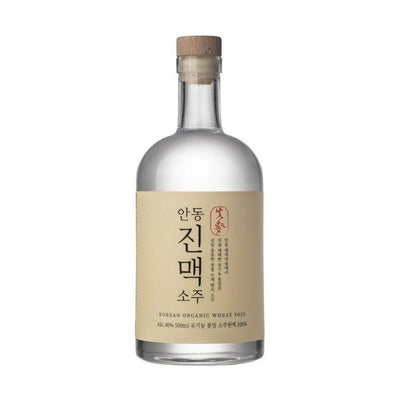
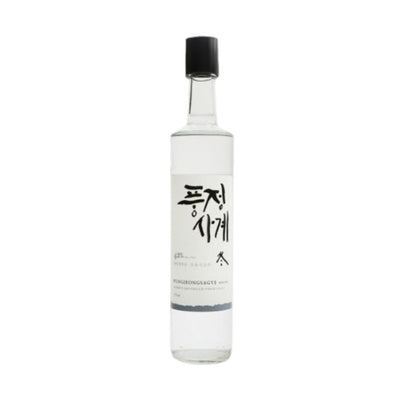
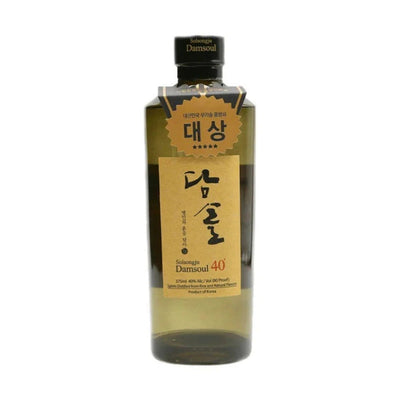
Start here — craft pours to try
Real bottles from craft makers on Tipxy.
Sources
- Korean Food Promotion Institute (hansik.or.kr) — Makgeolli feature accessed 2026-10-12
- Korea JoongAng Daily — Makgeolli-making recognized as a Korean cultural heritage (2021) accessed 2026-10-12
- Morning Calm (Korean Air) — A Sip of Korean Heritage, Sep/Oct 2025 accessed 2026-10-12
- Republic of Korea Liquor Tax Act (KLRI English translation, as amended to Act No. 16125, Dec. 31, 2018) accessed 2026-10-12
- The Asia Business Daily — Beer and takju volume-based tax transition (Jan 2020) accessed 2026-10-12
- Ministry of Culture, Sports and Tourism (KOCIS) — From soju to makgeolli, Korean liquor gains spirit accessed 2026-10-12
- Korea.net — Munbaeju: traditional wild pear liquor with pleasant scent (Jul 28, 2022) accessed 2026-10-12
- The Oxford Companion to Spirits & Cocktails — China accessed 2026-10-12
Photo: 국립국어원, CC BY-SA 2.0 KR, via Wikimedia Commons