


Spirit Academy › Asian Other › Aquavit
Aquavit
Scandinavia's caraway-and-dill spirit, defined by EU law at 37.5 percent minimum; Norway's GI version is potato-based and cask-aged.
In one sip
Aquavit is what you get when a Nordic distiller does to neutral spirit what a gin distiller does with juniper, but with caraway or dill at the center. Clear versions are bright and seedy; Norway's cask-aged ones turn amber and soft. It is a food spirit, poured at Christmas tables, midsummer and crayfish parties.
Where it started
The name, like whisky and eau-de-vie, means "water of life."4 The first documentary evidence of aquavit in Norway is a 1531 package sent by the nobleman Eske Bille in Bergen to Olav Engelbrektsson, the last archbishop of Norway.3 Early Norwegian aquavit used grain spirit; potatoes became the preferred base from the 1830s.3
Cask aging has a sea story. In 1805 Catharina Lysholm shipped five oak casks of aquavit to the East Indies on the brig Throndhjems Prøve; they came back unsold, and tasted better.3 The Lysholm distillery was established in Trondheim in 1821, and its Linie Aquavit takes its name from the crossing of the equator.3 Norway banned spirits in 1916; after repeal in 1927 a state monopoly controlled production until 2005.3
Where and how it's made
EU law (category 24) sets the rules for any akvavit or aquavit: a spirit of agricultural ethyl alcohol flavored with a distillate of plants or spices, with caraway or dill seeds or both, at a minimum of 37.5 percent.1 Other natural flavorings are allowed, but essential oils are prohibited, and dry extract may not exceed 1.5 grams per 100 ml.1 Distillers commonly add fennel, anise, coriander, cumin, juniper or citrus peel.4
"Norsk Akevitt" / "Norwegian Aquavit" has been a registered EU geographical indication since 2020.2 Its specification requires potato spirit, at least 95 percent of the potatoes Norwegian, and at least 6 months in wooden casks under 1,000 liters, or 12 months in larger ones.3 Strength runs 37.5 to 60 percent, and casks are traditionally ex-sherry, madeira or port oak.3
Linie still sends its aquavit to sea in oloroso sherry casks, crossing the equator twice.5 The voyage now lasts around four months.6
How to taste it
Traditional service is neat, a small chilled pour with "skål."4 Norway's GI file says its aged aquavit is traditionally drunk at room temperature.3 One sea-matured producer suggests a tulip-shaped glass at room temperature.5 Pairings: pickled herring, gravlax, roast pork, crayfish.
Styles and what the label means
- Taffel — clear, typically unaged, caraway-forward.4
- Dill aquavit — dill as the main flavor.4
- Jule — Christmas aquavit with holiday spices.4
- Norsk Akevitt — Norway's GI: potato base, cask-aged.3
- Sea-matured aquavit — Norwegian aquavit sent across the equator and back in oloroso sherry casks.5
Broadly, Swedish aquavit runs mild and sweet, Norwegian is barrel aged, and Danish tends to be assertive and crisp.4
Words to know
Tap a term to get asked about it in The Tasting Room.
Start here — craft pours to try
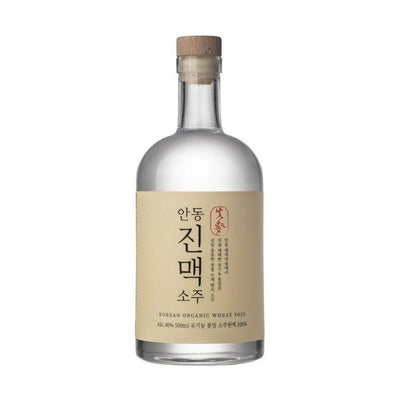
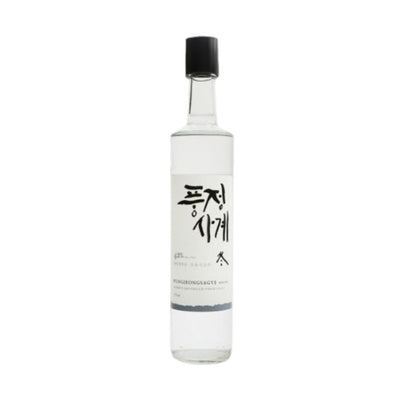
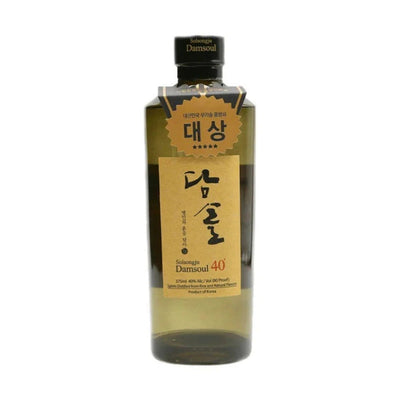
Real bottles from craft makers on Tipxy.
Sources
- Regulation (EU) 2019/787 on spirit drinks, Annex I category 24 accessed 2026-10-12
- Commission Implementing Regulation (EU) 2020/156 registering 'Norsk Akevitt' (legislation.gov.uk copy) accessed 2026-10-12
- OJ C 239, 16.7.2019 — Main specifications of the technical file, 'Norsk Akevitt' (EUR-Lex) accessed 2026-10-12
- The Oxford Companion to Spirits & Cocktails — aquavit accessed 2026-10-12
- LINIE Aquavit — producer site accessed 2026-10-12
- The Spirits Business — Linie aquavit brand history accessed 2026-10-12
Photo: Bapak Alex, CC BY 4.0, via Wikimedia Commons