

Spirit Academy › Gin Vodka White › Gin
Gin
Neutral spirit with juniper in charge: how the U.S. and EU define gin, its London history, and the styles from London Dry to Old Tom.
In one sip
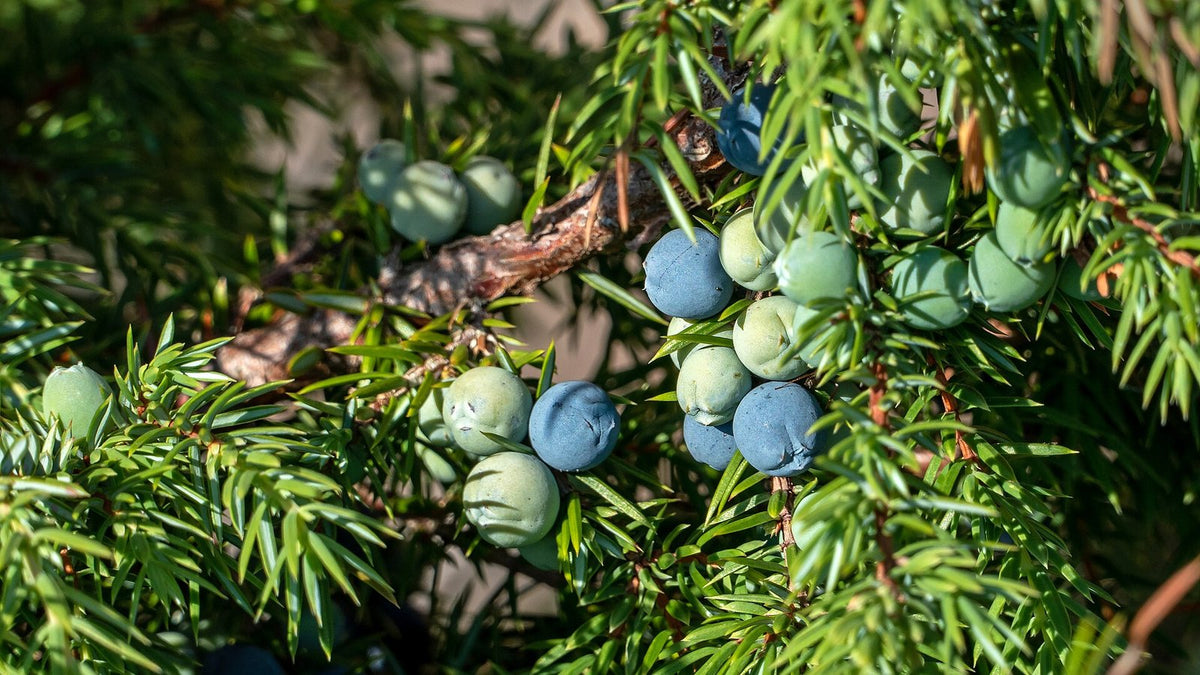
Gin is a clean, high-strength spirit flavored with botanicals, and the law cares about one botanical above the rest: juniper. Everything else, from coriander and citrus peel to cucumber and rose, is the distiller's signature. That one rule gives you a category that runs from bone-dry martini gin to sweet, soft Old Tom.
Where it started
German distillers were making a juniper spirit by 1450, and gin's English story starts in London's guild books: the Worshipful Company of Apothecaries' 1618 standards manual includes "Aqua Juniper ex Granis," or water of juniper, and the Worshipful Company of Distillers was incorporated by Royal Charter in 1638.4 The 1720s to 1750s brought what the Gin Guild calls the "Drink Craze," often mislabeled the Gin Craze, and William Hogarth published "Gin Lane" and "Beer Street" in 1751.4 In 1736 a new Gin Act tried to price retail gin out of reach with a two-gallon minimum sale and a duty of £1 a gallon.5 The column still and a cleaner base spirit let the drier London style emerge in the 1830s to 1850s, and the first tonic water followed in 1858.4 Prohibition gave the United States "bathtub gin," and in 2017 gin overtook whisky as the UK's most popular spirit in the off-trade by volume.4
Where and how it's made
In the United States, gin is spirit made by distilling or redistilling with juniper berries and other aromatics, or by mixing neutral spirits with them or their extracts; it "must derive its main characteristic flavor from juniper berries" and be bottled at not less than 80 proof.1 Gin may also be aged in oak.1
The EU sets the floor at 37.5 percent and requires that "the taste is predominantly that of juniper," using Juniperus communis.3 It then stacks three tiers: gin (flavorings may simply be added), distilled gin (redistilled with juniper and other natural botanicals), and London gin (the strictest).3 Gin made only by adding essences to alcohol "shall not be considered distilled gin."3 Those flavor-only gins are called cold compounded, and in a nod to Prohibition they are often termed bathtub gins.9
After juniper, coriander and angelica are the most popular botanicals, and most brands use seven to twenty.8
A handful of juniper spirits carry an EU geographical indication. Gin de Mahón is distilled on Menorca in copper stills heated over a wood fire.10 Vilnius Gin must be at least 45 percent and adds orange peel, coriander and dill seed to juniper.11 Steinhäger is made only in the German town of Steinhagen from fermented juniper berries.12 Plymouth Gin once had one too: in November 2014 owner Pernod Ricard withdrew its support ahead of a February 2015 EU deadline for each GI's technical dossier.13
How to taste it
Use a small tulip or a wine glass, at room temperature first, then with a splash of cold water to open the oils. Look for juniper's pine and resin first, then sort the rest: citrus at the top, coriander's spice in the middle, angelica and orris as the dry, earthy base.7 Then try it the way it is usually served, with tonic and lots of ice. Food: smoked salmon, a citrus-dressed ceviche, salt-and-pepper fried chicken.
Styles and what the label means
- London Dry — a production method, not a place: all flavor comes from distillation, and only more neutral alcohol, water and a trace of sweetening may follow.3 london-dry →
- Old Tom — the sweeter, rounder 18th- and 19th-century style. old-tom →
- Genever — the Dutch and Belgian malt-wine ancestor, legally its own category. genever →
- Navy Strength — often bottled at 57 percent, though Difford's puts the Navy's own standard at 54.5; wrapped in naval legend.14 navy-strength →
- Contemporary botanical gin — juniper still leads, but citrus, florals or local plants share the stage. contemporary-botanical-gin →
- Barrel-aged gin — gin rested in oak, legal in the U.S. and newly able to carry an age statement. barrel-aged-gin →
- Sloe and flavored gin — sloe gin is a liqueur; flavored gins sit in their own class. sloe-and-flavored-gin →
- Geneva or Hollands gin — U.S. rules treat these, like "London dry gin," as generic names rather than places.2
Words to know
Tap a term to get asked about it in The Tasting Room.
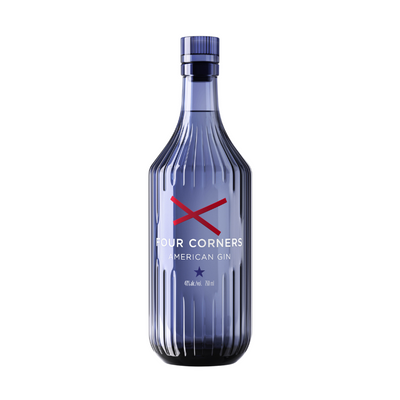
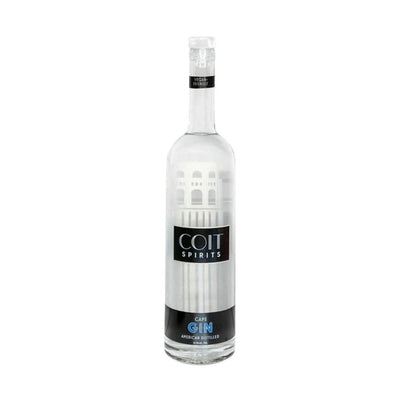
Start here — craft pours to try
Real bottles from craft makers on Tipxy.
Sources
- 27 CFR 5.144 Gin (eCFR) accessed 2026-10-12
- 27 CFR 5.154 Rules for geographical designations (eCFR) accessed 2026-10-12
- Regulation (EU) 2019/787 on spirit drinks, consolidated text, Annex I accessed 2026-10-12
- The Gin Guild — Gin Guild history and gin timeline accessed 2026-10-12
- Difford's Guide — History of gin, 1728–1794 accessed 2026-10-12
- Difford's Guide — History of gin, 1831–1953 accessed 2026-10-12
- Difford's Guide — Gin botanicals accessed 2026-10-12
- Difford's Guide — Gin production accessed 2026-10-12
- Difford's Guide — Cold compounded gin accessed 2026-10-12
- eAmbrosia — Gin de Mahón technical file (EN) accessed 2026-10-12
- eAmbrosia — Vilniaus Džinas / Vilnius Gin technical file accessed 2026-10-12
- eAmbrosia — Steinhäger technical file (EN) accessed 2026-10-12
- The Spirits Business — Plymouth Gin to ditch its geographical indication (17 Nov 2014) accessed 2026-10-12
- Difford's Guide — Overproof & Navy Strength accessed 2026-10-12
Photo: W.carter, CC BY-SA 4.0, via Wikimedia Commons