

Spirit Academy › Gin Vodka White › Sloe and Flavored Gin
Sloe and Flavored Gin
Sloe gin is legally a liqueur, not a gin; flavored gins have their own rules. Hedgerow fruit, sugar levels and what the label is allowed to say.
In one sip
Sloe gin is a deep ruby, sweet-tart liqueur made by steeping wild sloes in gin, and it is the classic British hedgerow drink. Flavored gins are a wider, newer shelf: pink, citrus, berry and spice gins that add flavor and sometimes sugar after distillation. Both are fun, and neither is the same thing as a dry gin.
Where it started
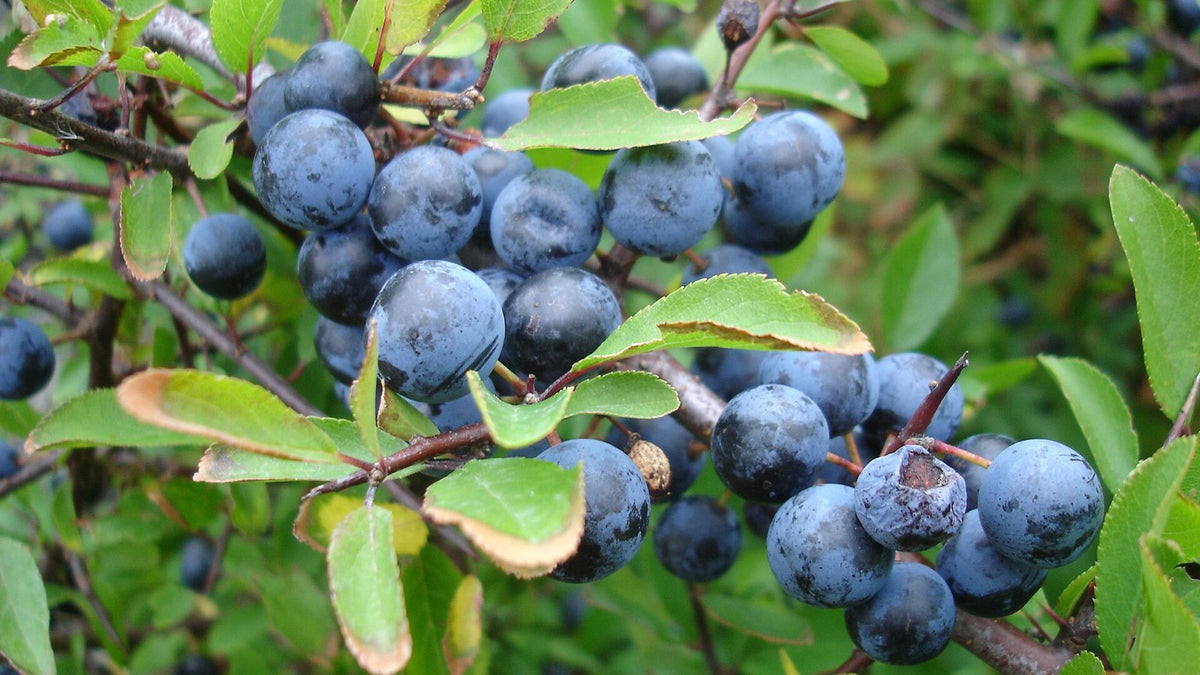
Sloes are the fruit of the blackthorn, a thorny shrub native to Europe and Western Asia and one of the most abundant hedging plants in the British countryside.4 Sloes are thought to be the wild ancestors of domesticated plums and damsons.4 Blackthorn was widely planted as stock-proof hedging during the Enclosures of the 18th and 19th centuries, around the time sloes started to be steeped in gin.4 Forager John Wright notes a 1717 poem describing home-made sloe gin as "sugar, sloes and grocer's trash."4
Where and how it's made
In the EU, sloe gin is defined as a liqueur made by macerating sloes in gin, with the possible addition of sloe juice, at a minimum of 25 percent alcohol.1 Only natural flavorings may be used, and the name may add the word "liqueur."1 Spain's pacharán is a separate category: a sloe-aromatized spirit with anise, at least 125 grams of sloes per liter and 80 to 250 grams of sugar per liter.1
In the U.S., sloe gin is a type of cordial or liqueur "with the main characteristic flavor derived from sloe berries."2 Like every cordial, it needs at least 2.5 percent sugar by weight.2 U.S. law sets no minimum strength for sloe gin specifically, while a "gin liqueur" must be made entirely from gin and bottled at not less than 30 percent.2
At home, Difford's recommends freezing sloes rather than waiting for the first frost or pricking each one, steeping at least three months and up to six, and sweetening to taste after infusing rather than at the start.4 Sloes are in hedgerows from September to November.4
Flavored gin is a different class in the U.S. "Flavored spirits" are a base spirit plus natural flavors, wine or sugar, bottled at not less than 30 percent, and named by the base spirit plus the predominant flavor, such as "Pineapple Flavored Tequila."3 The base spirit must meet its own standard before flavoring.3 In the EU, a gin with more than 0.1 grams of added sweetening per liter cannot be called "dry."1
How to taste it
Serve sloe gin at room temperature in a small glass, or long with tonic or sparkling wine. Look for plum, almond from the stones, and a tannic grip.4 Flavored gins work best long, with tonic or soda. Pairings: game pâté, blue cheese, a plum or apple crumble.
Styles and what the label means
- Sloe gin — sloes macerated in gin; a liqueur at 25 percent or more in the EU.1
- Damson gin — damsons and bullace can stand in for sloes in drinks.4
- Flavored gin — base gin plus flavor; in the U.S. named "[flavor] Flavored Gin."3
- Gin liqueur — at least 30 percent, made entirely from gin.2
- Fruit genever — listed in the EU's eAmbrosia GI register as Genièvre aux fruits / Vruchtenjenever.5 genever →
- Dry gin — no sweetening beyond a trace. london-dry →
Words to know
Tap a term to get asked about it in The Tasting Room.
Start here — craft pours to try
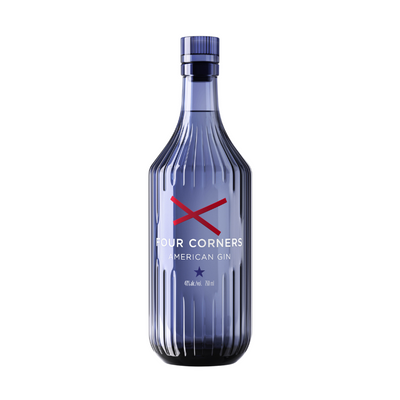
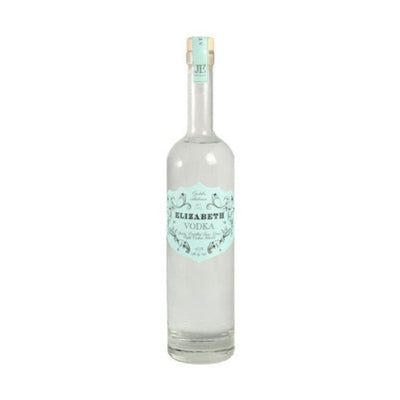
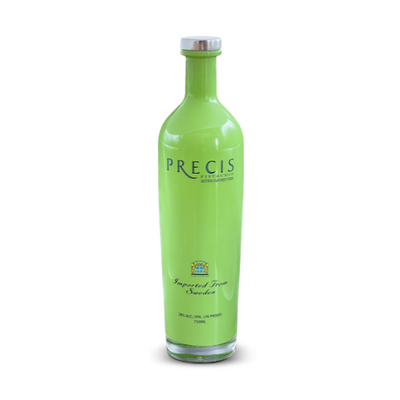
Real bottles from craft makers on Tipxy.
Sources
- Regulation (EU) 2019/787 on spirit drinks, consolidated text, Annex I accessed 2026-10-12
- 27 CFR 5.150 Cordials and liqueurs (eCFR) accessed 2026-10-12
- 27 CFR 5.151 Flavored spirits (eCFR) accessed 2026-10-12
- Difford's Guide — Bartender's guide to foraging sloes accessed 2026-10-12
- eAmbrosia GI register — name search for 'vruchtenjenever' accessed 2026-10-12
Photo: Martin Olsson, CC BY-SA 3.0, via Wikimedia Commons