


Spirit Academy › Gin Vodka White › London Dry Gin
London Dry Gin
A method, not a postcode: London gin gets all its flavor in the still, adds nothing but water and a trace of sugar, and can be made anywhere.
In one sip
London Dry is the crisp, juniper-forward gin of the classic martini and the pub G&T. The name sounds like a place, but it is a rulebook: every flavor has to come from botanicals distilled together in the still, and almost nothing can be added afterward. That is why a London Dry can be made in Scotland, Spain or Oregon.
Where it started
London Dry emerged soon after Aeneas Coffey's continuous still made a nearly pure base spirit possible; Difford's dates the still to 1831,68 Ireland's whiskey technical file to a patent of 1830.9 With the harsh flavors gone, gin could be sold unsweetened, or "dry."6 By the middle of the 19th century, distillers working with this cleaner spirit had reduced or dropped the sugar used to soften older gins.8 The style was originally made only in London, but the name stopped meaning geography long ago.6 U.S. rules list "London dry gin" as a geographic name that has become generic.3
Where and how it's made
The EU definition is the strictest of its three gin tiers. London gin is distilled gin made only from agricultural ethyl alcohol with a maximum methanol content of 5 grams per hectoliter of pure alcohol, with flavor "imparted exclusively through the distillation" in the presence of all the natural plant materials used.1 The distillate must reach at least 70 percent alcohol; it may not be colored or sweetened beyond 0.1 grams per liter; and nothing else may be added except more neutral alcohol and water.1 Minimum bottling strength is 37.5 percent, and "dry" may be added to the name.1
The UK now words one line differently: for the UK market, "Colourant is not added," while the EU text says the gin "is not coloured."4 The Gin Guild notes the EU wording means cask-aged gins that once called themselves London Dry can no longer do so in the EU.4
In the United States, "London" is one of four words (with "distilled," "Dry" and "Old Tom") that may describe gin made exclusively by original distillation or redistillation.2 U.S. rules set no methanol, sugar or coloring limit specific to the term.2
In the still, distillers either steep botanicals in reduced spirit before distilling, or suspend them in a basket so only the vapor passes through.7 Most international brands are "multi-shot": distilled with extra botanicals, then cut back with neutral spirit.7
How to taste it
A chilled coupe for a martini, or a highball with plenty of ice for a G&T. Neat, look for the classic quartet Difford's names for the style: juniper, coriander seed, angelica root, citrus peel, with orris root holding them together.6 Pairings: oysters, a shrimp cocktail, cucumber sandwiches.
Styles and what the label means
- London Dry / London gin — EU's strictest tier; flavor only from distillation. gin →
- Distilled gin — redistilled with juniper, but flavorings may be added afterward.1
- Plymouth gin — once England's only protected gin; owner Pernod Ricard withdrew support for its GI in 2014.5 navy-strength →
- Cask-aged "London Dry" — not allowed in the EU, since London gin cannot be colored.4 barrel-aged-gin →
Words to know
Tap a term to get asked about it in The Tasting Room.
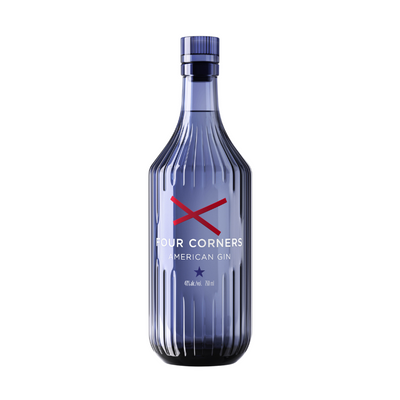
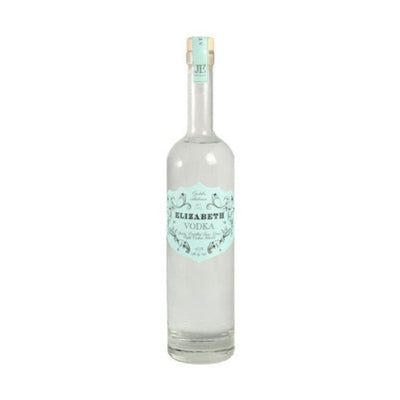
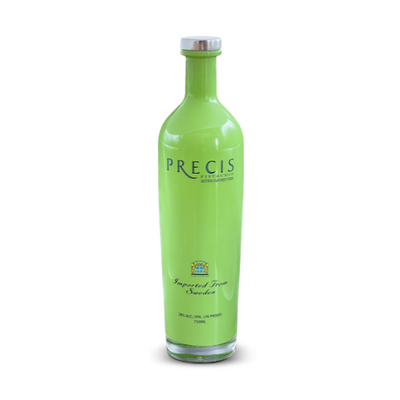
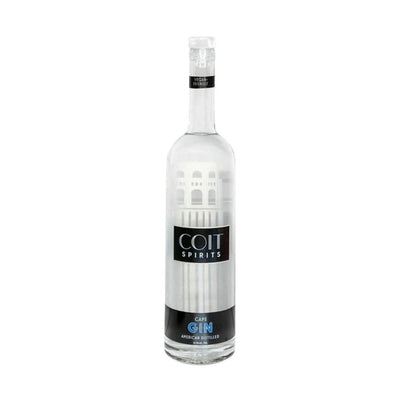
Start here — craft pours to try
Real bottles from craft makers on Tipxy.
Sources
- Regulation (EU) 2019/787 on spirit drinks, consolidated text, Annex I accessed 2026-10-12
- 27 CFR 5.144 Gin (eCFR) accessed 2026-10-12
- 27 CFR 5.154 Rules for geographical designations (eCFR) accessed 2026-10-12
- The Gin Guild — What is gin? accessed 2026-10-12
- The Spirits Business — Plymouth Gin to ditch its geographical indication (17 Nov 2014) accessed 2026-10-12
- Difford's Guide — London dry gin accessed 2026-10-12
- Difford's Guide — Gin production accessed 2026-10-12
- Difford's Guide — History of gin, 1831–1953 accessed 2026-10-12
- Irish Whiskey Technical File (Dept of Agriculture, Food and the Marine, Oct 2014) accessed 2026-10-12
Photo: Sam Wilson, CC BY-SA 4.0, via Wikimedia Commons