

Spirit Academy › Gin Vodka White › Barrel-Aged Gin
Barrel-Aged Gin
Gin rested in oak: legal in the U.S., able to carry an age statement since 2020, but barred from the London Dry label in the EU.
In one sip
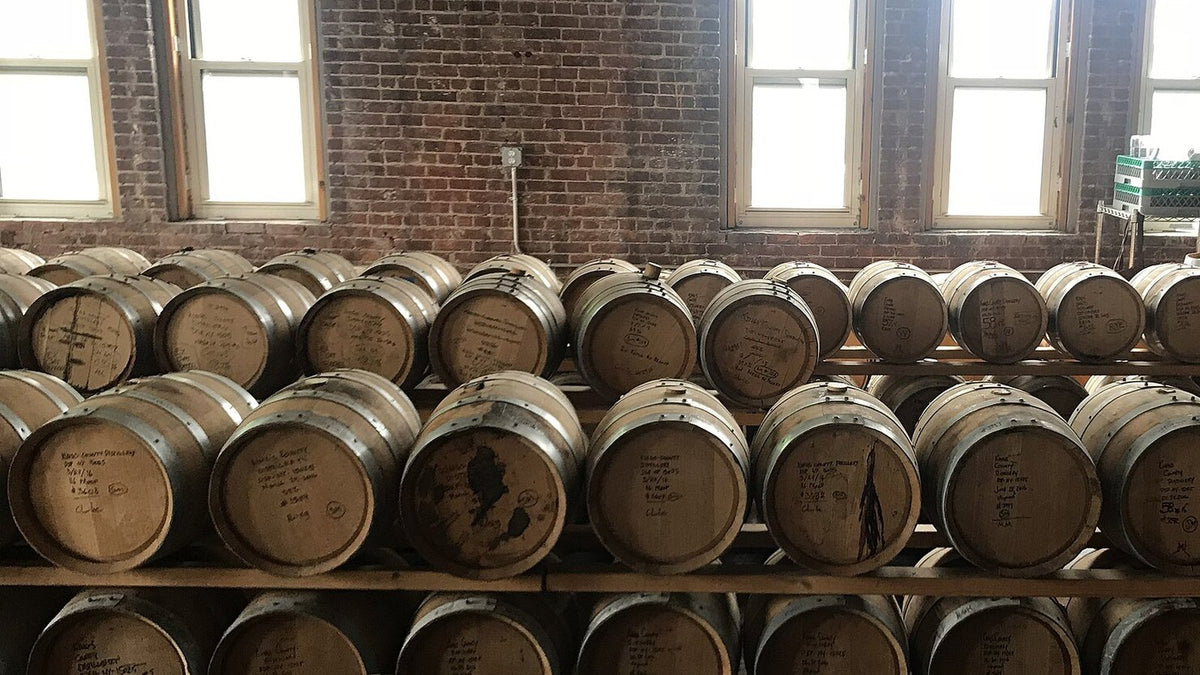
Barrel-aged gin is gin that has spent weeks or months in wood, picking up color, vanilla, spice and a rounder texture while keeping its juniper. Think of it as a halfway house between a martini gin and a light whiskey. It works neat, over a big ice cube, or in stirred drinks that usually call for brown spirits.
Where it started
Wood is old news for gin. Gin was originally sold in casks or earthenware crocks, and clear glass bottles only arrived with improved glass technology in the 1890s.7 Difford's describes modern barrel aging as a revival of a historic practice, though hardly any of today's gins are aged.6
The recent push is regulatory. When TTB rewrote the spirits labeling rules in T.D. TTB-158, it cited "consumer interest for innovative products such as aged gin" and changed the regulations to allow age statements on all distilled spirits except neutral spirits other than grain spirits.3 The rule took effect May 4, 2020.3
Where and how it's made
U.S. law is simple: "Gin may be aged in oak containers."1 An aged gin may now state its age on the label.3 Bottled-in-bond gin goes further: it must be stored for at least four years in paraffin-lined or unlined wooden containers.2 The 2020 rule added the unlined option to account for aged gin.3
The EU is stricter on one point. London gin must not be colored, and wood adds color.4 The Gin Guild's 2024 note says cask- or barrel-aged gins that could previously be labeled London Dry can no longer be described that way in the EU; they become cask- or barrel-aged distilled gin.5 In the UK market the wording is "Colourant is not added," which turns on what is added rather than the color itself.5
Genever's GI writes an aging claim into its rules: oude genever aged at least one year in wooden barrels or casks may say so on the label.8 genever →
In the cellar, gin needs less time than whiskey. Difford's warns that gin left in wood much beyond six months quickly becomes over-woody and dry, recommends well-seasoned casks, and says two to three months is usually long enough.6
How to taste it
Use a rocks glass or a tulip, neat first, then over one large cube. Look for juniper and citrus under the oak: vanilla, toasted spice, sometimes a hint of the cask's previous fill. Try it in a Martinez or a Negroni. Pairings: roast pork with apples, aged cheddar, dark chocolate with orange.
Styles and what the label means
- Barrel-rested / cask-finished — weeks to months in used or new oak; no legal minimum in the U.S.1
- Aged gin with an age statement — allowed in the U.S. since 2020.3
- Bottled-in-bond gin — four years in wood, bottled at 100 proof.2
- Barrel-aged Old Tom — sweetened gin rested in oak. old-tom →
- Aged oude genever — at least one year in wood to claim it.8 genever →
Words to know
Tap a term to get asked about it in The Tasting Room.
Start here — craft pours to try
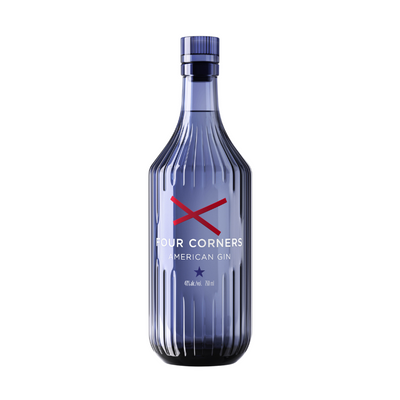
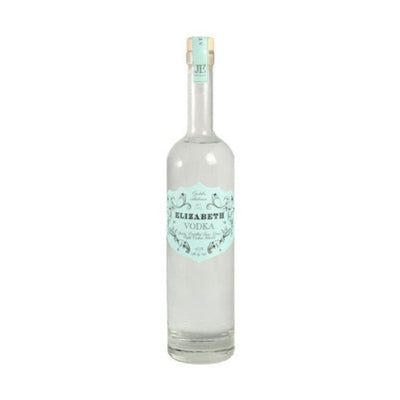
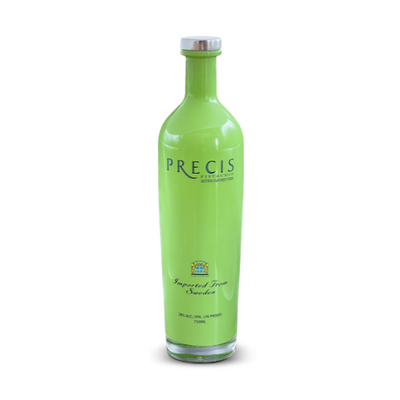
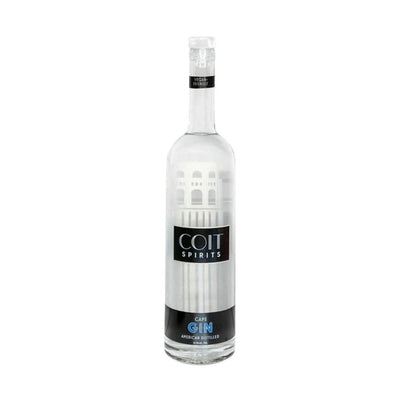
Real bottles from craft makers on Tipxy.
Sources
- 27 CFR 5.144 Gin (eCFR) accessed 2026-10-12
- 27 CFR 5.88 Bottled in bond (eCFR) accessed 2026-10-12
- T.D. TTB-158, Modernization of the Labeling and Advertising Regulations, 85 FR (2 Apr 2020) accessed 2026-10-12
- Regulation (EU) 2019/787 on spirit drinks, consolidated text, Annex I accessed 2026-10-12
- The Gin Guild — What is gin? accessed 2026-10-12
- Difford's Guide — Gin production accessed 2026-10-12
- Difford's Guide — History of gin, 1831–1953 accessed 2026-10-12
- eAmbrosia — Oude jenever / oude genever technical file accessed 2026-10-12
Photo: Asewer24, CC BY-SA 4.0, via Wikimedia Commons