

Spirit Academy › Gin Vodka White › Genever
Genever
Gin's malty Dutch and Belgian ancestor: an EU-protected juniper spirit built on moutwijn, where 'oude' and 'jonge' mean recipe, not age.
In one sip
Genever, also spelled jenever, is the juniper spirit of Belgium and the Netherlands, and it tastes more like a young malt whisky than a London gin. The difference is moutwijn, a malty grain distillate that gives genever bread, cereal and body. It is the spirit gin grew out of, and in the EU it is protected as its own geographical indication.
Where it started
The EU technical file says genever developed considerably in the Low Countries from the beginning of the 17th century, and in French Flanders and parts of Germany in the second half of the 18th.1 In 1601 the archdukes Albert and Isabella banned distilling grain spirits in the Southern Netherlands; the ban was reissued 18 times that century as illegal distilling carried on.1 Many Flemish distillers left, and by 1604 four of the eight distillers in La Rochelle were Flemish.1 From 1829 many distillers installed column stills, and by the last quarter of the 19th century cheap neutral spirit, usually from beet molasses, was increasingly used to make genever.1 The Vandervelde Act of 1919 banned spirits sales in public places and allowed sales only of at least two liters.1 After the Second World War, especially in the Netherlands, two recipes emerged: oude and jonge.1
Where and how it's made
The Genièvre / Jenever / Genever GI covers Belgium, the Netherlands, the French départements of Nord and Pas-de-Calais, and the German states of North Rhine-Westphalia and Lower Saxony.1 It is ethyl alcohol and/or grain distillate flavored with juniper, with at least 1.5 percent moutwijn in the pure alcohol, at least 30 percent ABV, and no more than 20 grams of sugar per liter.1 Moutwijn is distilled to between 80 and 40 percent from whole grains: wheat, rye, barley, maize, oats, buckwheat or triticale.1 Coloring is allowed only with plain caramel.1
The two big sub-GIs, both limited to Belgium and the Netherlands, tighten the recipe. Oude genever needs at least 15 percent moutwijn, at least 35 percent ABV, up to 20 grams of sugar per liter, and may be amber or light brown.2 Jonge genever needs 1.5 to under 15 percent moutwijn, at least 35 percent ABV, at most 10 grams of sugar, and no color.3 The file is blunt: "These types do not refer to aging, but to different recipes."1 Oude genever aged at least one year in wood may say so on the label.2
In EU law genever sits under juniper-flavored spirit drinks, a category with a 30 percent minimum, not under gin's 37.5 percent.4 U.S. rules treat "Geneva (Hollands) gin" as a generic name.5
How to taste it
Serve oude genever at room temperature in a tulip glass, and taste it as you would a young whisky: cereal, bread crust, a soft juniper lift. Jonge is often served ice-cold. Pairings: aged Gouda, pickled herring, bitterballen.
Styles and what the label means
- Oude genever — old-style recipe, malty, at least 15 percent moutwijn.2
- Jonge genever — young-style recipe, lighter and cleaner, under 15 percent moutwijn.3
- Graanjenever / graangenever — grain genever, listed under its own name in the EU's eAmbrosia GI register.7
- Korenwijn (corenwyn) — a traditional name seen on bottles; Difford's lists one aged six years.6
- Regional names — Hasseltse jenever, Balegemse jenever, O' de Flander-Oost-Vlaamse Graanjenever and Walloon peket are also listed in that register.78 gin →
Words to know
Tap a term to get asked about it in The Tasting Room.
Start here — craft pours to try
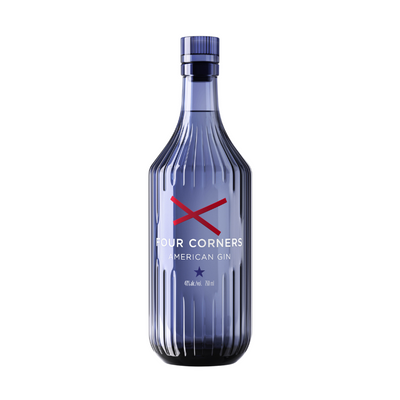
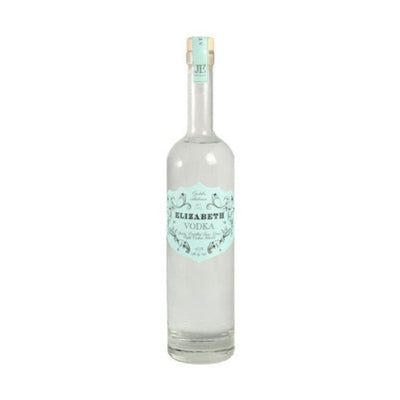
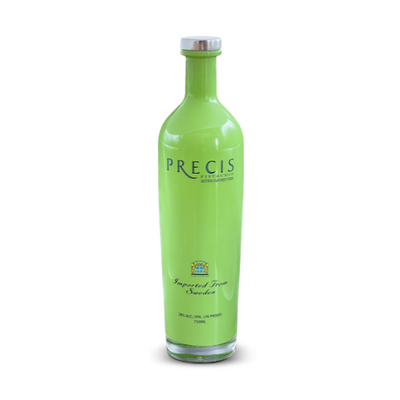
Real bottles from craft makers on Tipxy.
Sources
- eAmbrosia — Genièvre / Jenever / Genever technical file accessed 2026-10-12
- eAmbrosia — Oude jenever / oude genever technical file accessed 2026-10-12
- eAmbrosia — Jonge jenever / jonge genever technical file accessed 2026-10-12
- Regulation (EU) 2019/787 on spirit drinks, consolidated text, Annex I accessed 2026-10-12
- 27 CFR 5.154 Rules for geographical designations (eCFR) accessed 2026-10-12
- Difford's Guide — Genever accessed 2026-10-12
- eAmbrosia GI register — name search for 'jenever' accessed 2026-10-12
- eAmbrosia GI register — name search for 'peket' accessed 2026-10-12
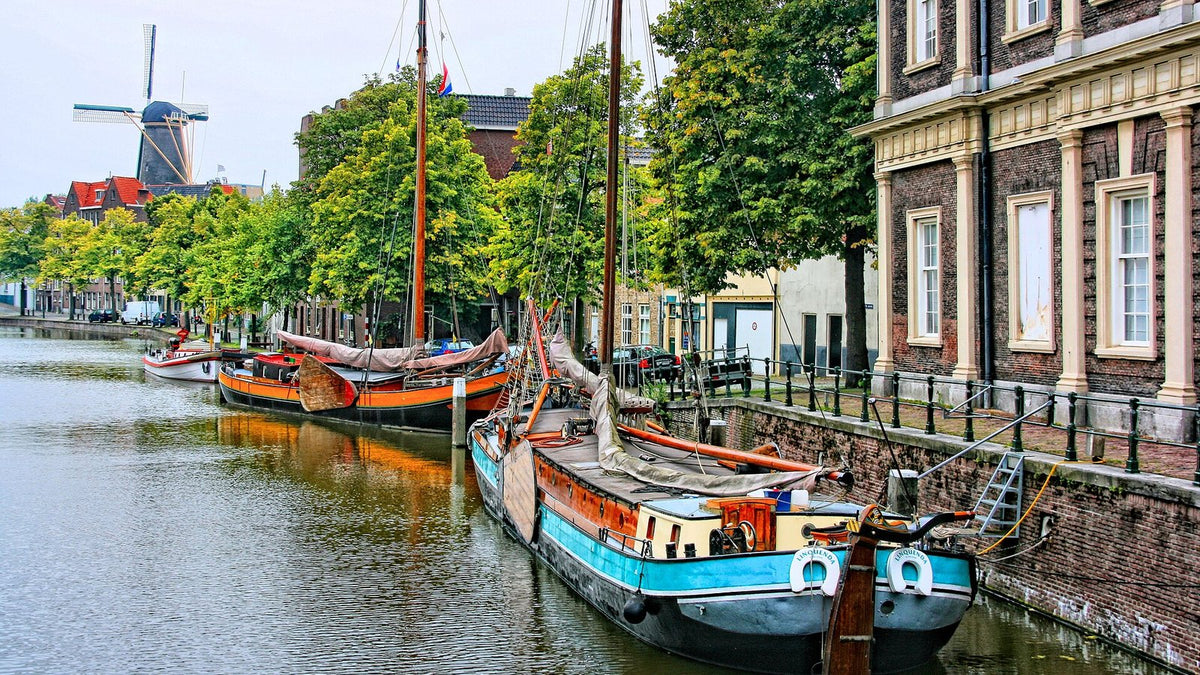
Photo: Marek Ślusarczyk (Tupungato) Photo portfolio, CC BY 3.0, via Wikimedia Commons