

Spirit Academy › Gin Vodka White › Old Tom Gin
Old Tom Gin
The sweeter, rounder gin of the 18th and 19th centuries: what Old Tom was, why it was sweetened, and which cat stories to take with salt.
In one sip
Old Tom is gin with the corners rounded off: softer, a little sweet, often with more body and botanical weight than a London Dry. Bartenders combing old cocktail books found many drinks calling for it, and that is what led distillers to bring it back.
Where it started
In the 18th and early 19th centuries, copper pot stills could only partly purify the base spirit, so gin was pungent.1 Distillers masked the rough edges with flavorings such as lemon or aniseed and with liquorice, then, in the 19th century, with sugar; that sweetened style became known as Old Tom.1 Cane sugar was expensive in 1700s London while gin was very cheap, which is why liquorice came first.1 Sugar-sweetened gin became more common from the mid to late 1800s as beet sugar spread and sugar prices collapsed.1
The name has three stories, and only one has evidence behind it. Legend says a cat fell into a vat of gin. Another tale credits Captain Dudley Bradstreet, who sold gin through a cat-shaped sign with a pipe under its paw to dodge the 1738 Gin Act and wrote it up in a 1755 memoir; Difford's finds no evidence linking him to the name.1 The best-supported origin is Thomas Chamberlain of Hodges' distillery: in a 1903 court case, Boord & Son said they had introduced the term in 1849 and named the brand after "old Thomas Chamberlain."1
Where and how it's made
There is no recipe in law. U.S. rules allow "Old Tom" as one of four terms (with "distilled," "Dry" and "London") for gin made exclusively by original distillation or redistillation, and set no sugar level.3 The EU regulation does not mention Old Tom at all, and a gin with more than 0.1 grams of added sweetening per liter cannot call itself "dry."4 So a modern Old Tom is a distilled gin, often lightly sweetened after distillation, sometimes rested in wood, with a fuller botanical recipe.
In the 20th century, the few Old Tom brands that survived typically held 2 to 6 percent sugar and were made in England for export to Finland, Japan and parts of the United States, until demand faded.1 Difford's believes "Old Tom" once covered a wide range of pre-London Dry gins, citing distillers' notebooks with recipes headed Old Tom.1
How to taste it
Neat in a small tulip, Old Tom shows more weight on the tongue and a rounder finish than a London Dry; look for liquorice, citrus and a gentle sweetness. Then use it where it belongs, in a Martinez or a gin sour, where the sugar does some of the work. Food: lemon tart, shortbread, a cheese board with membrillo.
Styles and what the label means
- Sweetened Old Tom — sugar added, the route several modern revivals took; sugar-sweetened gin spread in the mid to late 1800s.61
- Botanically sweet Old Tom — sweetened with botanicals rather than sugar, as some modern revivals are; the earliest gins used liquorice.61
- Barrel-rested Old Tom — some modern producers rest it in oak. barrel-aged-gin →
- Dry gin — the unsweetened style that grew in popularity by the end of the 19th century.1 london-dry →
Words to know
Tap a term to get asked about it in The Tasting Room.
Start here — craft pours to try
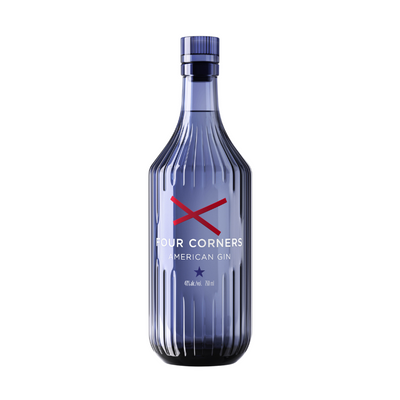
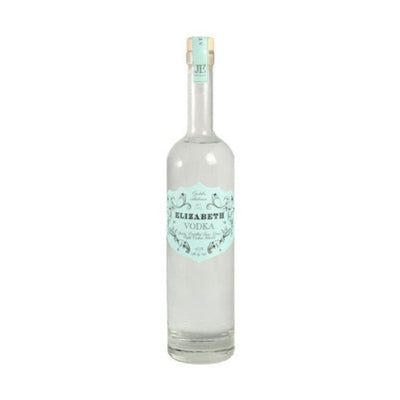
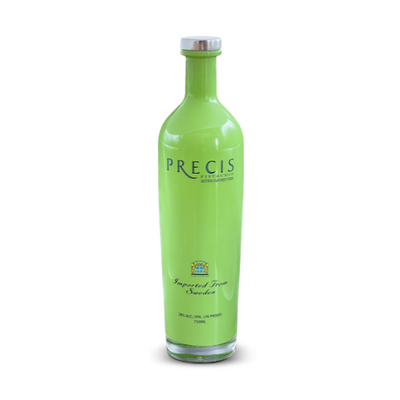
Real bottles from craft makers on Tipxy.
Sources
- Difford's Guide — Old Tom gin accessed 2026-10-12
- Difford's Guide — Gin production accessed 2026-10-12
- 27 CFR 5.144 Gin (eCFR) accessed 2026-10-12
- Regulation (EU) 2019/787 on spirit drinks, consolidated text, Annex I accessed 2026-10-12
- Difford's Guide — History of gin, 1728–1794 accessed 2026-10-12
- Difford's Guide — History of gin, 2000–present accessed 2026-10-12
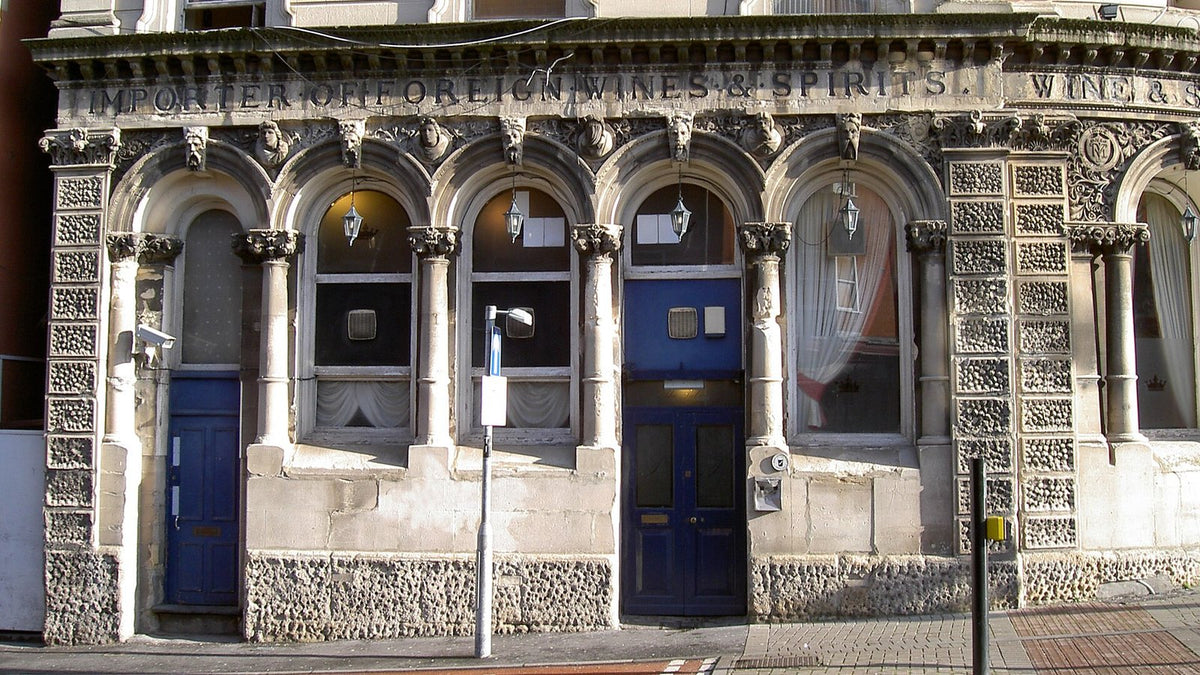
Photo: Neil Owen, CC BY-SA 2.0, via Wikimedia Commons