

Spirit Academy › Gin Vodka White › Contemporary Botanical Gin
Contemporary Botanical Gin
New Western, modern, craft: gins where juniper still leads but citrus, flowers, cucumber or local plants share the stage, and where the legal line sits.
In one sip
Contemporary gins keep juniper as the lead but write bigger parts for the supporting cast: grapefruit, cucumber, rose, lavender, tea, sea herbs, whatever the distiller's home ground offers. They are softer on pine and often built for a long drink with tonic. The fun is in reading the botanical list on the back label.
Where it started
The Gin Guild marks 1999 as the year Hendrick's arrived with cucumber and rose as signature botanicals.5 Difford's dates a wave of new brands to around 2000, including Tanqueray No. Ten, Martin Miller's, Hendrick's and 209.1 In 2006 Portland bartender Ryan Magarian worked with House Spirits distillery on Aviation and coined "New Western" for gins that are light on juniper.1
Small distilleries followed once Chase and Sipsmith challenged the rules. UK rules had effectively required new pot stills of at least 18 hectoliters; Chase in 2008 and Sipsmith in Hammersmith in 2009 challenged that, and Sipsmith's first still, Prudence, holds 300 liters.1 By 2017, gin had overtaken whisky as the most popular spirit in the UK off-trade by volume.5
Where and how it's made
The legal floor is the same as for any gin, and it is about juniper. The U.S. requires gin to "derive its main characteristic flavor from juniper berries."6 The EU requires that "the taste is predominantly that of juniper."7 Magarian's own definition kept that rule: "juniper must remain dominant in all dry gins," with the style defined by how the supporting botanicals are balanced.1
That is where the arguments start. Difford's calls New Western a "loose term" for gins that some say barely qualify as gin, and coins "ver-gins" for those where, in his view, juniper no longer dominates.21 That is one writer's palate, not a legal ruling.
Labels matter too. When the EU's three-tier gin definitions took effect in 2008, some gins had to change their labels; Martin Miller's lost the term "London dry gin" because flavorings were added after distillation.1 More than a hundred botanicals are commonly used, and brands typically use between seven and twenty.4
How to taste it
Read the botanical list first, then try to find each one. Neat in a tulip glass at room temperature, then with tonic over plenty of ice and a garnish that echoes one botanical, such as cucumber, grapefruit or rosemary. Pairings: Thai green papaya salad, goat cheese with herbs, grilled fish with citrus.
Styles and what the label means
- New Western — Magarian's term for gins where supporting botanicals nearly share center stage.2
- Citrus-forward — lemon, orange or grapefruit peel lead after juniper. gin →
- Floral — rose, lavender, elderflower, orris. gin →
- Regional or local botanical — native plants used to signal place. gin →
- London Dry — a contemporary recipe can still be London Dry if every flavor comes from the still. london-dry →
- Barrel-aged — modern gins rested in oak. barrel-aged-gin →
Words to know
Tap a term to get asked about it in The Tasting Room.
Start here — craft pours to try
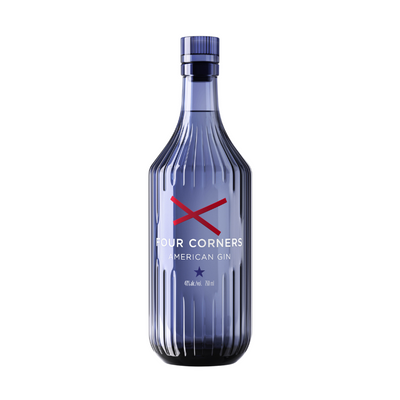
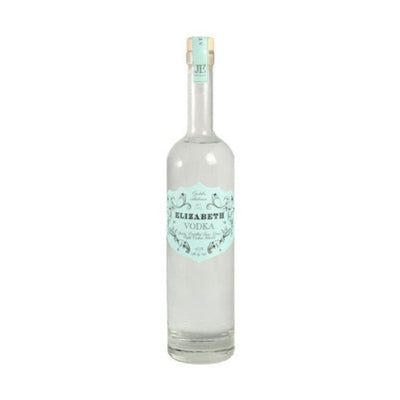
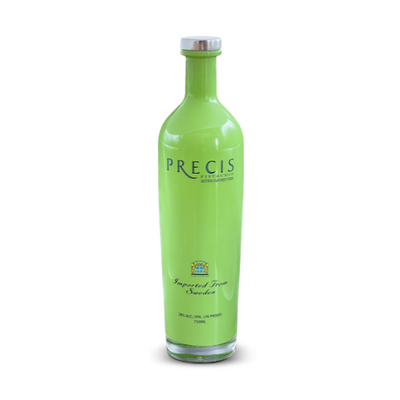
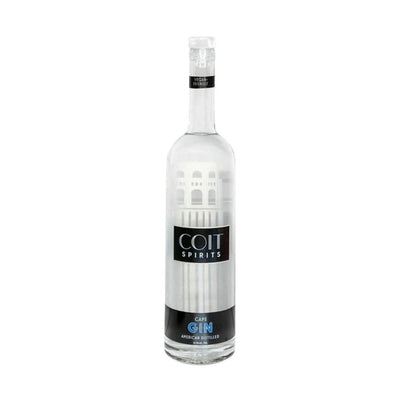
Real bottles from craft makers on Tipxy.
Sources
- Difford's Guide — History of gin, 2000–present accessed 2026-10-12
- Difford's Guide — New Western dry gins accessed 2026-10-12
- Difford's Guide — Gin botanicals accessed 2026-10-12
- Difford's Guide — Gin production accessed 2026-10-12
- The Gin Guild — Gin Guild history and gin timeline accessed 2026-10-12
- 27 CFR 5.144 Gin (eCFR) accessed 2026-10-12
- Regulation (EU) 2019/787 on spirit drinks, consolidated text, Annex I accessed 2026-10-12
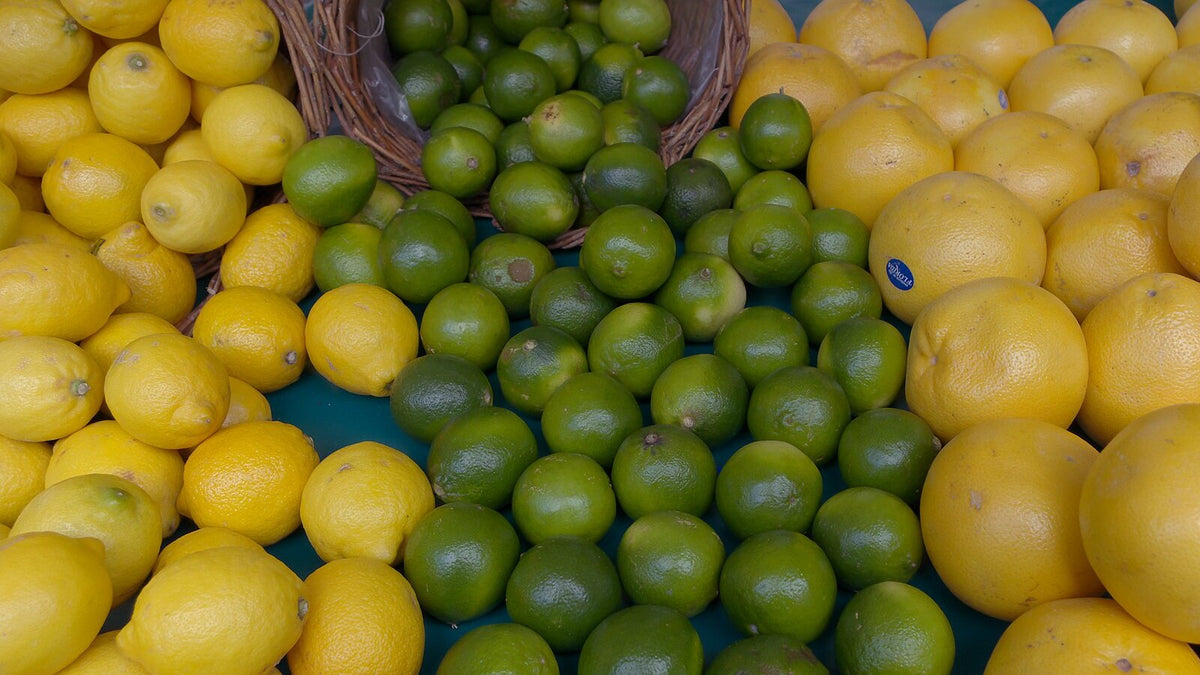
Photo: Dinkum, CC0, via Wikimedia Commons