

Spirit Academy › Cane › Cane Spirits
Cane Spirits
Rum, rhum agricole, clairin and cachaça: spirits distilled from sugar cane juice or molasses, shaped by still, barrel and local law.
In one sip
Rum, rhum and cachaça are what happens when sugar cane goes into a still. Some producers ferment molasses, the dark syrup left once sugar has been crystallized out of cane juice; others ferment the fresh juice itself. That one choice, plus the type of still and the time in wood, explains most of the distance between a crisp white rum, a funky Jamaican pot-still rum, a grassy Martinique rhum agricole and a Brazilian cachaça.
Where it started
The spirit grew up alongside the colonial sugar industry. The Caribbean's own trade body says rum has been intertwined with the region's culture and heritage for nearly 400 years, and that an early description of the island spirit called it "hot, hellish and terrible."4 Brazil's claim is older: the Instituto Brasileiro da Cachaça places the first deliberate distillation of cachaça at a coastal sugar mill between 1516 and 1532.7 Mount Gay in Barbados traces its distillery to 1703,8 and Appleton Estate in Jamaica documents distilling from 1749.9 West Indies Rum and Spirits Producers' Association (WIRSPA), the Barbados-based umbrella group for Caribbean producers, was founded in the late 1960s.5
Where and how it's made
U.S. law defines rum broadly: a spirit distilled from the fermented juice of sugar cane, sugar cane syrup, sugar cane molasses or other cane by-products, distilled at less than 95 percent alcohol (190 proof) and bottled at not less than 40 percent (80 proof).1 The EU sets the floor at 37.5 percent, bans flavouring, allows caramel only to adjust colour, and caps added sweetening at 20 grams per liter.2 Molasses itself is the syrup remaining after sugar is crystallized out of cane or beet juice; Britannica lists rum, baking and candy among the uses of lighter cane grades.3
The still sets the weight. Rum from a pot still or a single column is usually called heavy; multi-column stills usually make light rum. Light rums tend to come from countries first colonized by Spain, such as Cuba, Puerto Rico and the Dominican Republic, and heavy rums from former French and English colonies such as Jamaica, Barbados, Guyana and Martinique.10
Then come the place rules. In Brazil, cachaça is the exclusive name for cane spirit made in the country at 38 to 48 percent alcohol.11 Martinique's appellation, obtained in 1996, covers only rhum agricole made from cane juice.12 Jamaica Rum has been a registered geographical indication since December 1, 2016, and a 2024 tribunal ruling required that it be aged only in Jamaica.13 Across the wider region, WIRSPA's Authentic Caribbean Rum marque covers rum made from cane juice or molasses in the ACP Caribbean, with "Matured" and "Deluxe" tiers for rum matured at least one and five years.6
How to taste it
Start neat in a small tulip glass at room temperature, then add a few drops of water. Check the label for raw material (molasses or cane juice) and still type; they predict more than color does. Molasses rums lean toward brown sugar, banana and vanilla; cane-juice spirits taste green, grassy and peppery. Heavier pot-still rums show overripe fruit and glue-like esters; Jamaica's GI holder, the Spirits Pool Association, told a 2024 tribunal its rums are typically high in esters from extended, less controlled fermentation, sometimes one to three weeks or longer.13 Pairings: jerk chicken with an aged Jamaican rum, grilled pineapple with a gold rum, salt cod fritters with a white agricole.
Styles and what the label means
- White rum — little or no visible age, light to medium body, the mixing workhorse. white-rum →
- Gold and aged rum — time in oak; color alone does not prove age. gold-and-aged-rum →
- Dark and blackstrap rum — deep color from caramel, molasses or charred casks. dark-and-blackstrap-rum →
- Spiced and flavored rum — rum plus spice or flavor, a separate legal class in the U.S. spiced-and-flavored-rum →
- Overproof and navy rum — high strength, and the Royal Navy's long history with the tot. overproof-and-navy-rum →
- Rhum agricole and clairin — fresh cane juice, French Caribbean rules, Haiti's village spirit. rhum-agricole-and-clairin →
- Cachaça — Brazil's cane-juice spirit, aged in oak or native woods. cachaca →
- The Gargano classification — a proposed, not legal, system that sorts rum by still and distillery rather than color. Velier's Luca Gargano drew it up with Foursquare's Richard Seale.14 Its categories run from Pure Single Rum (100 percent batch pot still, one distillery) through Single Blended Rum (pot and traditional column from one distillery) and Traditional Rum (column) to Modern Rum (multi-column).14 Velier and Foursquare have adopted it; no regulator enforces it.14
Words to know
Tap a term to get asked about it in The Tasting Room.
Start here — craft pours to try
Real bottles from craft makers on Tipxy.


Sources
- 27 CFR 5.147 Rum (eCFR) accessed 2026-10-12
- Regulation (EU) 2019/787, Annex I, category 1 Rum (EUR-Lex) accessed 2026-10-12
- Encyclopaedia Britannica — Molasses accessed 2026-10-12
- Authentic Caribbean Rum (WIRSPA) — Heritage & History accessed 2026-10-12
- Authentic Caribbean Rum (WIRSPA) — Who We Are accessed 2026-10-12
- WIRSPA — ACR Marque Tiers accessed 2026-10-12
- Instituto Brasileiro da Cachaça — História da Cachaça accessed 2026-10-12
- Mount Gay — Heritage accessed 2026-10-12
- Appleton Estate — home accessed 2026-10-12
- Difford's Guide — Light versus heavy rums accessed 2026-10-12
- Brazil, Decreto nº 12.709 de 31 de outubro de 2025 (Planalto) accessed 2026-10-12
- INAO — Rhum de la Martinique (AOC) accessed 2026-10-12
- JIPO — Final judgment, Jamaica Rum GI rectification (2 Oct 2024) accessed 2026-10-12
- The Fat Rum Pirate — Gargano Rum Classification accessed 2026-10-12
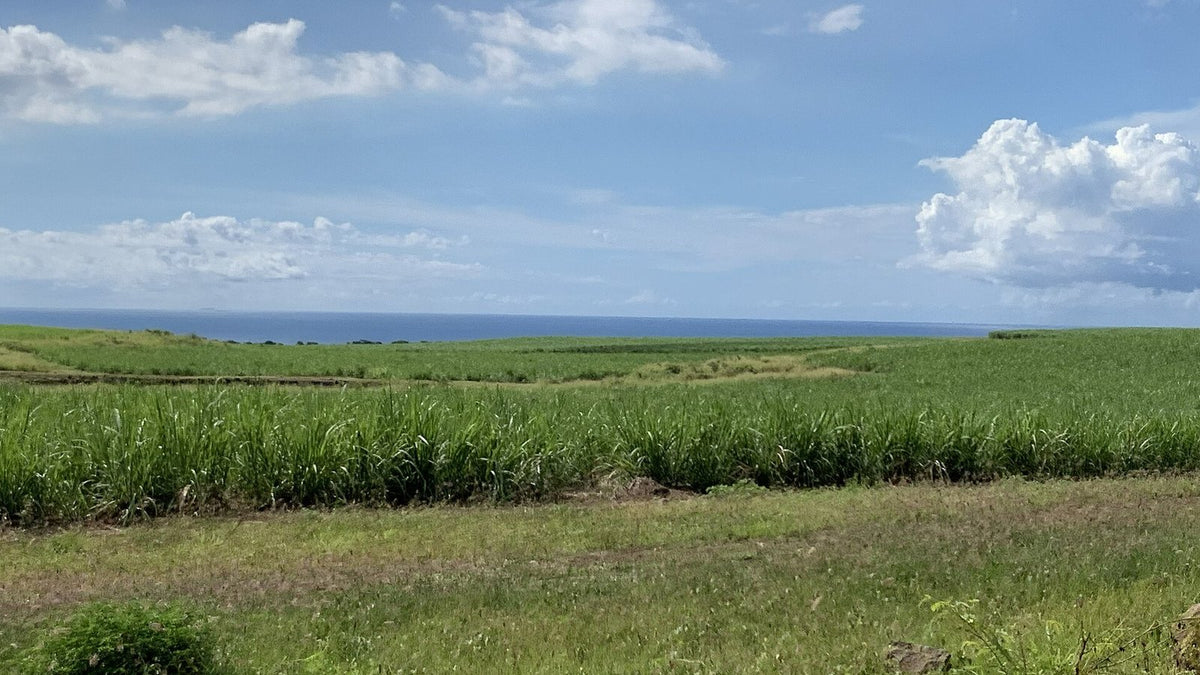
Photo: Benoît Prieur, CC0, via Wikimedia Commons