

Spirit Academy › Cane › White Rum
White Rum
Clear, light and built for mixing. White rum can still have seen oak: filtration, not youth, is often what takes the color out.
In one sip
White rum is the clear, light end of the cane family and the base of the Daiquiri, the Mojito and most highballs. It tastes of the spirit rather than the barrel: clean sugar cane, a little vanilla, sometimes citrus peel or banana. "White" describes color, not age, and that distinction is where most of the interesting facts live.
Where it started
The light style is a product of the column still and of Spanish-colonial rum making. Rums with fewer congeners, the flavor compounds other than ethanol, are called light, and they tend to come from countries first colonized by Spain, such as Cuba, the Dominican Republic, Puerto Rico and Venezuela.4
Where and how it's made
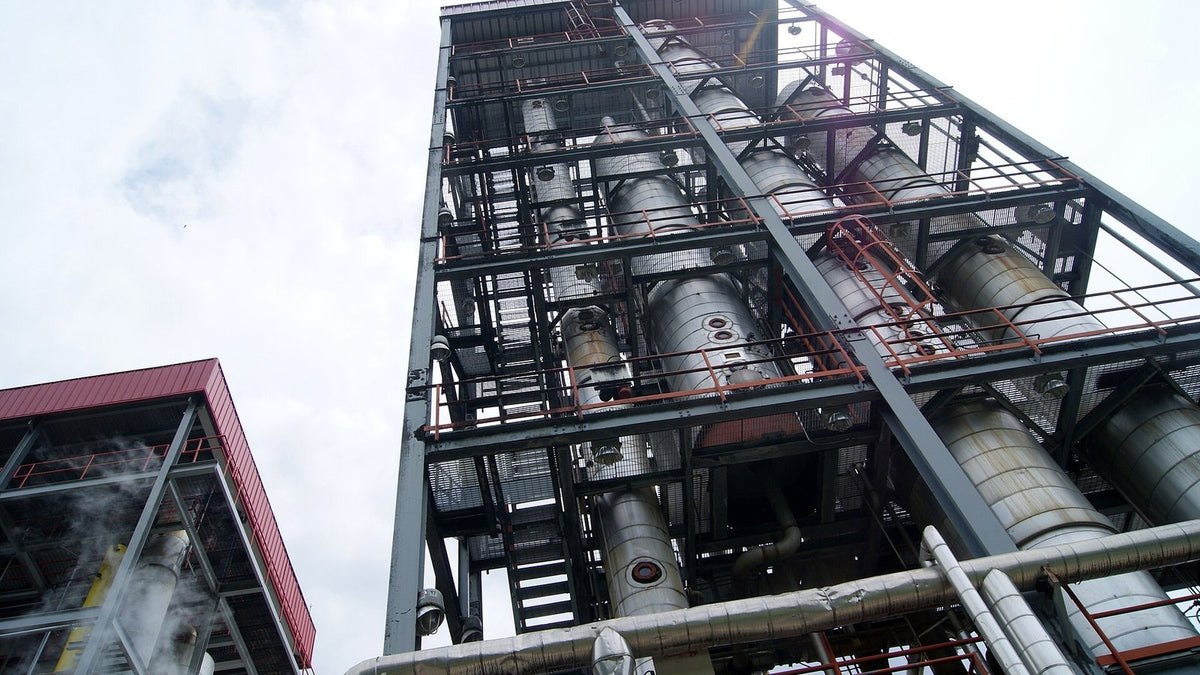
Most white rum starts with molasses. In Puerto Rico's description, the fresh cane juice, called guarapo, is boiled down to crystallize sugar, and the residue, molasses, is what gets fermented.5 Distillation is usually continuous: columns are built from trays where descending liquid meets rising vapor, and the vapor gets richer in alcohol as it climbs.5 Light rums tend to have short fermentations and are distilled to higher purity, which is why they carry fewer congeners.4
U.S. law does not require rum to be aged at all, and an age statement on rum is optional.2 Some places add their own rule: Puerto Rico law requires a minimum of one year in white oak barrels, and the rum must be produced on the island.5 So how does an aged rum come out clear? Difford's notes that some white rums are aged for as long as three years, with much or all of the color removed by charcoal filtration.3
Strength is set by law too. In the U.S. any rum is bottled at not less than 80 proof (40 percent),1 while the EU minimum is 37.5 percent, so a European white rum can legally be a little lighter than an American one.6
How to taste it
Taste it neat and slightly cool in a small glass, then in a simple Daiquiri: rum, lime and sugar shows the spirit honestly. Look for sugar cane, vanilla, coconut or banana; a harsh or hot finish means the rum was built for mixing, not sipping. Pairings: ceviche, fried plantain, a Cuban sandwich.
Styles and what the label means
- White, blanco, platino, dry — trade terms for clear rums with little or no aging;3 the U.S. rum standard defines only one type, cachaça, so none of these is a legal type.1
- Aged and filtered white — rum that saw oak, then had the color stripped by charcoal. gold-and-aged-rum →
- Rhum agricole blanc — clear cane-juice rhum rested at least six weeks in vats, no wood color. rhum-agricole-and-clairin →7
- White overproof — unaged rum bottled at high strength. overproof-and-navy-rum →
- Cachaça prata — Brazil's clear style, a separate category. cachaca →
Words to know
Tap a term to get asked about it in The Tasting Room.
Start here — craft pours to try
Real bottles from craft makers on Tipxy.


Sources
- 27 CFR 5.147 Rum (eCFR) accessed 2026-10-12
- 27 CFR 5.74 Statements of age, storage, and percentage (eCFR) accessed 2026-10-12
- Difford's Guide — Rum: Lexicon of rum terms accessed 2026-10-12
- Difford's Guide — Light versus heavy rums accessed 2026-10-12
- Rums of Puerto Rico (Government of Puerto Rico) — Who We Are accessed 2026-10-12
- Regulation (EU) 2019/787, Annex I, category 1 Rum (EUR-Lex) accessed 2026-10-12
- Cahier des charges AOC Rhum de la Martinique, homologated by arrêté of 29 Dec 2020 (BO-agri, 14 Jan 2021) accessed 2026-10-12
Photo: anaxmedia, CC BY-SA 2.0, via Wikimedia Commons