

Spirit Academy › Cane › Rhum Agricole and Clairin
Rhum Agricole and Clairin
Rum from fresh cane juice: Martinique's AOC rhum agricole, the only AOC rum, and Haiti's village-distilled clairin.
In one sip
Rhum agricole is rum made from freshly pressed sugar cane juice instead of molasses. It tastes green and alive: cut grass, banana leaf, white pepper, olive brine. Martinique made the style famous and protects it with an appellation d'origine contrôlée; Haiti's clairin is its wilder cousin, made in small village distilleries.
Where it started
Martinique's agricole was born of a sugar crisis. Between 1884 and 1896 overproduction closed the least competitive sugar estates, and several turned to making rum exclusively from cane juice.2 In the last decade of the nineteenth century Martinique was the world's leading rum producer, at more than 220,000 hectoliters.2 Martinique agricole won medals at the 1855 Universal Exposition; a syndicate formed in 1895 issued certificates of origin to fight fraud, a second in 1935 added tasting-panel quality control, and a 1963 decree reserved the word "vieux" for rhum aged at least three years in oak.2 The appellation was first recognized by decree on November 5, 1996,2 and INAO calls Rhum de la Martinique the only rum in the world with an appellation d'origine contrôlée.1
Where and how it's made
The rules start in the field. Cane may be cut only between January 1 and August 31, and its juice must reach at least 14° Brix and a pH of at least 4.7.2 Juice is fermented in open vats of no more than 500 hectoliters for no more than 120 hours, and adding sugar, syrup or molasses is forbidden.2 Distillation is in a continuous Creole column with a copper concentration section of five to nine plates, and the day's rhum must come off between 65 and 75 percent alcohol.21 At sale it is at least 40 percent.2
The AOC has three categories. Blanc rests at least six weeks in vats with no wood color; élevé sous bois spends at least 12 months in oak; vieux is aged at least three years in oak casks under 650 liters and bottled in Martinique.21 A vintage vieux needs six years.2 The word "agricole" must appear on the label.2 EU law reserves the term "agricultural" for rum from a French overseas department or Madeira.3
Clairin is Haiti's cane spirit. La Maison & Velier, which exports it, says there are over 500 small distilleries, or guildives, in the countryside, and defines Clairin Traditionnel by heritage non-hybrid cane, chemical-free farming, spontaneous wild-yeast fermentation and batch-still distillation.4 Its Spirit of Haiti project was founded in 2012.4
How to taste it
Try a blanc neat at room temperature, then in a Ti' Punch with lime and cane syrup. INAO describes the blanc by fruity, floral and vegetal, tea-like notes and the absence of any burnt-sugar aroma;1 a vieux adds wood, spice and dried fruit. Clairin is often bottled at high strength, so add water. Pairings: accras de morue, grilled fish with sauce chien, coconut sorbet.
Styles and what the label means
- Blanc — unaged agricole, at least six weeks' rest in vats.2
- Élevé sous bois — at least 12 months in oak.1
- Vieux / VO — at least three years in oak.2
- VSOP, Réserve Spéciale, Très Vieux — at least four years.2
- XO, Hors d'Âge, Extra Vieux, Grande Réserve — at least six years.2
- Clairin Vieux — clairin aged at least three years, per its exporter.4
Words to know
Tap a term to get asked about it in The Tasting Room.
Start here — craft pours to try
Real bottles from craft makers on Tipxy.


Sources
- INAO — Rhum de la Martinique (AOC) accessed 2026-10-12
- Cahier des charges AOC Rhum de la Martinique, homologated by arrêté of 29 Dec 2020 (BO-agri, 14 Jan 2021) accessed 2026-10-12
- Regulation (EU) 2019/787, Annex I, category 1 Rum (EUR-Lex) accessed 2026-10-12
- La Maison & Velier — The Spirit of Haiti (Clairin) accessed 2026-10-12
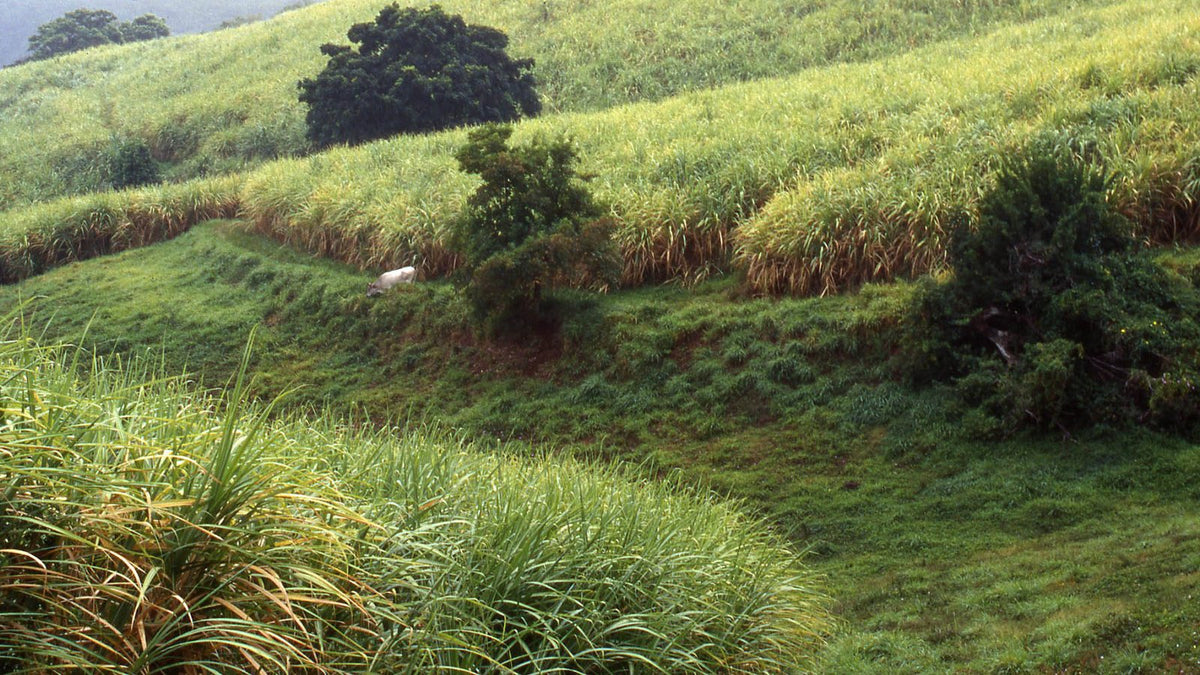
Photo: Martpan, CC BY-SA 4.0, via Wikimedia Commons