

Spirit Academy › Trends › What's New in Drinks
What's New in Drinks
As of late 2026: fewer U.S. adults drinking, spirits holding share, RTDs growing, tariffs reshuffling imports and new label rules on the way.
In one sip
As of late 2026, the U.S. drinks market is smaller in volume and pickier about what it buys. Fewer adults say they drink at all, and canned cocktails, non-alcoholic options and a few small categories are growing while most big ones shrink. This section tracks what has changed since 2025 and dates every claim, because these facts expire.
Where it started
The turn shows up in two sets of numbers. Gallup reported in 2025 that 54 percent of U.S. adults drink, the lowest in a trend going back to 1939, and the 2026 reading held at 54 percent.45 Among adults 18 to 34 the rate fell from 59 percent in 2023 to 50 percent in 2025.4 IWSR's 2025 data show total U.S. beverage alcohol volume down 5 percent, with beer and wine each down 6 percent and spirits down 4 percent; Nevada was the only state to grow.3
The two sources read the same year differently. IWSR's president said the number of people drinking is not changing and that people are drinking less often instead.3 Gallup measures participation directly and found it at a record low.4 Both can be partly right; treat either headline with care. A few small categories still grew in 2025: no-alcohol beer rose 15 percent, Prosecco 3 percent and national spirits, mostly soju, 18 percent.3
Where and how it's made
Spirits held share
DISCUS reported U.S. spirits supplier revenue of $36.4 billion in 2025, down 2.2 percent, while volume rose 1.9 percent to 318.1 million 9-liter cases; spirits led total alcohol revenue for a fourth year at 42.4 percent.1 The growth came from premixed cocktails: excluding them, revenue fell 4 percent and volume 2.7 percent.2 Gallup's drinkers now name beer 36 percent, liquor 32 percent and wine 30 percent as their usual drink, with liquor up 12 points since 2016.5
Tariffs moved bottles
A 10 percent U.S. tariff on Scotch took effect in April 2025, and the SWA reported U.S. export volume down 15 percent from May to December.6 Scotch tariffs were removed on 24 July 2026.7 By category, 2025 Scotch exports were led by bottled blends at £3.2 billion, then single malt at £1.6 billion, down 6 percent, and bulk blends at £184 million.6 EU wine and spirits were tariffed too, at rates sources report differently: VinePair said 15 percent from 1 August 2025;8 the Federal Register order set a 15 percent all-in rate for most EU goods from 7 August 2025;15 spiritsEUROPE says EU spirits paid 10 percent under Section 122 in 2026.16 In 2025 every Canadian province pulled American liquor from its shelves; as of August 2026 the bans remained everywhere except Alberta and Saskatchewan.9 DISCUS put U.S. spirits importers' 2025 tariff bill at more than $200 million.2
Labels may change
TTB has proposed an "Alcohol Facts" statement of per-serving alcohol, calories and nutrients (Notice 237) and a declaration of nine major food allergens, from milk, eggs and fish to wheat, soybeans and sesame (Notice 238), each with a compliance date five years after any final rule.10 A separate ingredient-labeling rulemaking was withdrawn on 21 March 2025.11
Japanese whisky is moving toward law
The JSLMA's 2021 labeling standard gave existing products until 31 March 2024 to comply.12 In 2025 the association adopted a "JW" logo and said it would seek Geographical Indication status.13 In March 2026 Japan's National Tax Agency told the Diet it is working with industry on a legal definition.14
How to taste it
Trends are easiest to taste side by side. Pour a classic and its newer cousin in the same glass at the same temperature: a highball you mix next to a canned version, a still wine next to its alcohol-removed version, a reposado tequila from a large producer next to one labeled 100 percent agave from a small one. Note sweetness, texture and finish, not the label. Pairings: salted nuts, citrus-dressed greens, grilled chicken.
Styles and what the label means
Words to know
Tap a term to get asked about it in The Tasting Room.
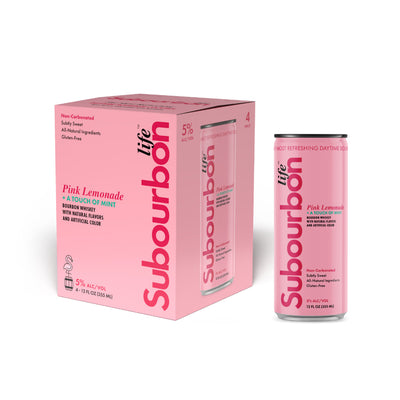
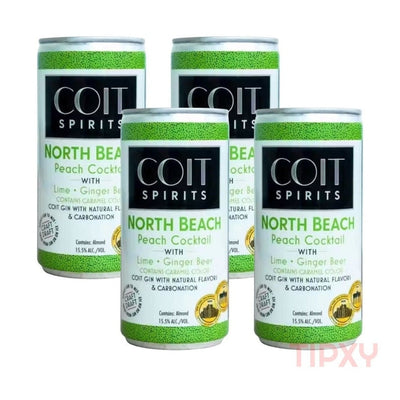
Start here — craft pours to try
Real bottles from craft makers on Tipxy.
Sources
- DISCUS — Annual Economic Briefing 2025 (Feb 2026) accessed 2026-10-12
- DISCUS — Annual Economic Briefing presentation (Feb 5, 2026) accessed 2026-10-12
- IWSR — US beverage alcohol consumption drops -5% in volume during 2025 (May 11, 2026) accessed 2026-10-12
- Gallup — Drinking Rate at New Low as Alcohol Concerns Surge (Aug 2025) accessed 2026-10-12
- Gallup — Americans' Drinking Remains at Record Low (2026) accessed 2026-10-12
- Scotch Whisky Association — 2025 export figures (Feb 12, 2026) accessed 2026-10-12
- Scotch Whisky Association — Zero tariff trade to the US restored for Scotch Whisky (Jul 24, 2026) accessed 2026-10-12
- VinePair — 15% Tariffs on European Wine and Spirits Start August 1 (Jul 31, 2025) accessed 2026-10-12
- CP24 — Provinces are poised to put U.S. booze back on the shelves (Aug 21, 2026) accessed 2026-10-12
- TTB — Notices of Proposed Rulemaking (Notices 237 and 238) accessed 2026-10-12
- Brewers Association — Proposed TTB Ingredient Labeling Rulemaking Withdrawn (Mar 25, 2025) accessed 2026-10-12
- JSLMA — Standards for Labeling Japanese Whisky (2021) accessed 2026-10-12
- JSLMA reinforces Standards for Labeling Japanese Whisky with new logo (Business Wire via ANSA, Mar 27, 2025) accessed 2026-10-12
- nomunication.jp — Japanese whisky law: the National Tax Agency is working on it (Mar 19, 2026) accessed 2026-10-12
- Federal Register — Executive Order 14326, Further Modifying the Reciprocal Tariff Rates (published Aug 6, 2025) accessed 2026-10-12
- spiritsEUROPE — Welcomes US tariff exemption for UK whiskies, calls for extension to EU spirits (Jul 24, 2026) accessed 2026-10-12
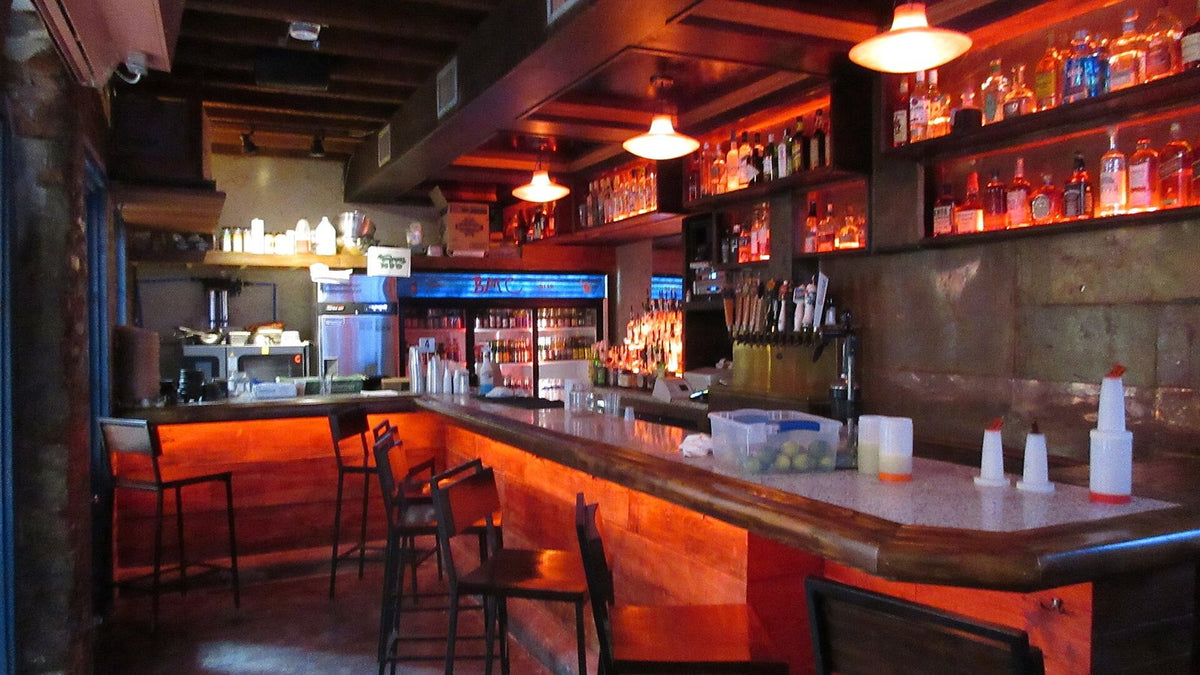
Photo: Infrogmation of New Orleans, CC BY 2.0, via Wikimedia Commons