

Spirit Academy › Trends › Ready-to-Drink and Canned Cocktails
Ready-to-Drink and Canned Cocktails
As of late 2026: spirits-based RTDs are the growth story of a shrinking market, while malt-based RTDs and seltzers fade.
In one sip
As of late 2026, the canned cocktail is the one part of the U.S. spirits business that is reliably growing. The split that matters is what is in the can: RTDs built on real spirits are gaining, while malt-based drinks and hard seltzers are losing ground.
Where it started
DISCUS reports that U.S. spirits-based RTD volume nearly quadrupled over the five years to 2025.2 In 2025 premixed cocktails, including spirits RTDs, were the only major spirits category to grow, and all other major categories declined.1 By 2025 revenue, premixed cocktails at $3.8 billion still ranked behind vodka at $7 billion, tequila and mezcal at $6.4 billion and American whiskey at $5.1 billion.1 Without them, spirits revenue would have fallen about 4 percent instead of 2.2.2 Globally, IWSR counts RTD volume up 3 percent in 2025, after a compound annual growth rate of 8 percent from 2019 to 2025, and forecasts a slower 2 percent a year from 2025 to 2030.4
Where and how it's made
Spirits versus malt
IWSR's U.S. data show total RTD volume down 1 percent in 2025, a drop driven by malt-based RTDs falling 5 percent while spirits-based RTDs grew 14 percent.3 The picture varied by state: RTD volume fell 8 percent in California, was flat in Texas and rose 7 percent in Florida.3
Why people buy them
IWSR says RTDs solve a practical need: they are convenient, portable, consistent and easy to share.4
Where the innovation is going
IWSR says new launches are slowing as brand owners focus on spirit-based variants, premium-plus price tiers and higher-ABV RTDs, and that a successful launch now needs a clear role in a drinker's repertoire, not just a can and a flavor.4
Where you can buy them
Retail access for spirits RTDs is set state by state. DISCUS counted RTD market-access gains in Connecticut, Indiana, Maine and Virginia in 2025, and named fairer state tax treatment for spirits RTDs as a 2026 priority.1 Cocktails to go became permanent in Nevada and Vermont in 2025, bringing the total to 32 states plus D.C.1
How to taste it
Pour the can into a glass with fresh ice; it opens the aroma and lets you see the color. Read the label first: a spirit named on the front, and the alcohol percentage, tell you what kind of drink it is. Taste for balance between sweet and sour and for a clean finish. Pairings: tacos, fried chicken, salty chips.
Styles and what the label means
- Spirits-based RTD — a cocktail made with distilled spirits; the growing half. ready-to-drink-cocktails →
- Malt-based RTD / flavored malt beverage — built on a malt base; volume down 5 percent in 2025.3
- Hard seltzer — malt- or sugar-based sparkling drink; DISCUS reports seltzers losing RTD share to spirits.1
- Higher-ABV RTD — the newer push; check the alcohol line before you pour.4
- Cocktails to go — a mixed drink sold sealed by a bar or restaurant where state law allows.1
Words to know
Tap a term to get asked about it in The Tasting Room.
Start here — craft pours to try
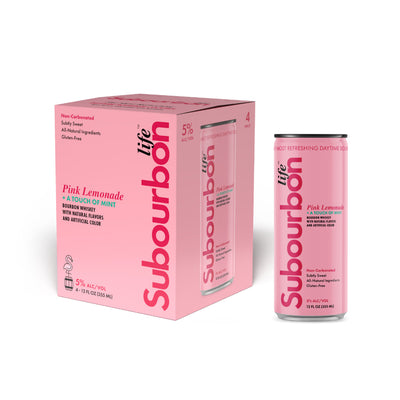
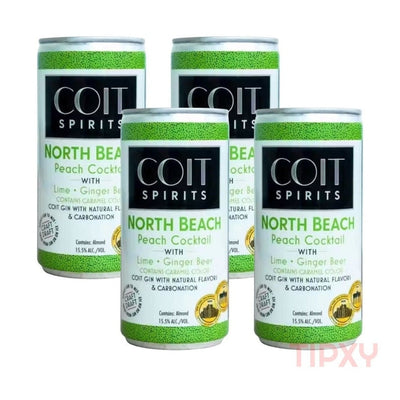
Real bottles from craft makers on Tipxy.
Sources
- DISCUS — Annual Economic Briefing 2025 (Feb 2026) accessed 2026-10-12
- DISCUS — Annual Economic Briefing presentation (Feb 5, 2026) accessed 2026-10-12
- IWSR — US beverage alcohol consumption drops -5% in volume during 2025 (May 11, 2026) accessed 2026-10-12
- IWSR — Too big to ignore: how should spirits companies target the RTD opportunity? (2026) accessed 2026-10-12
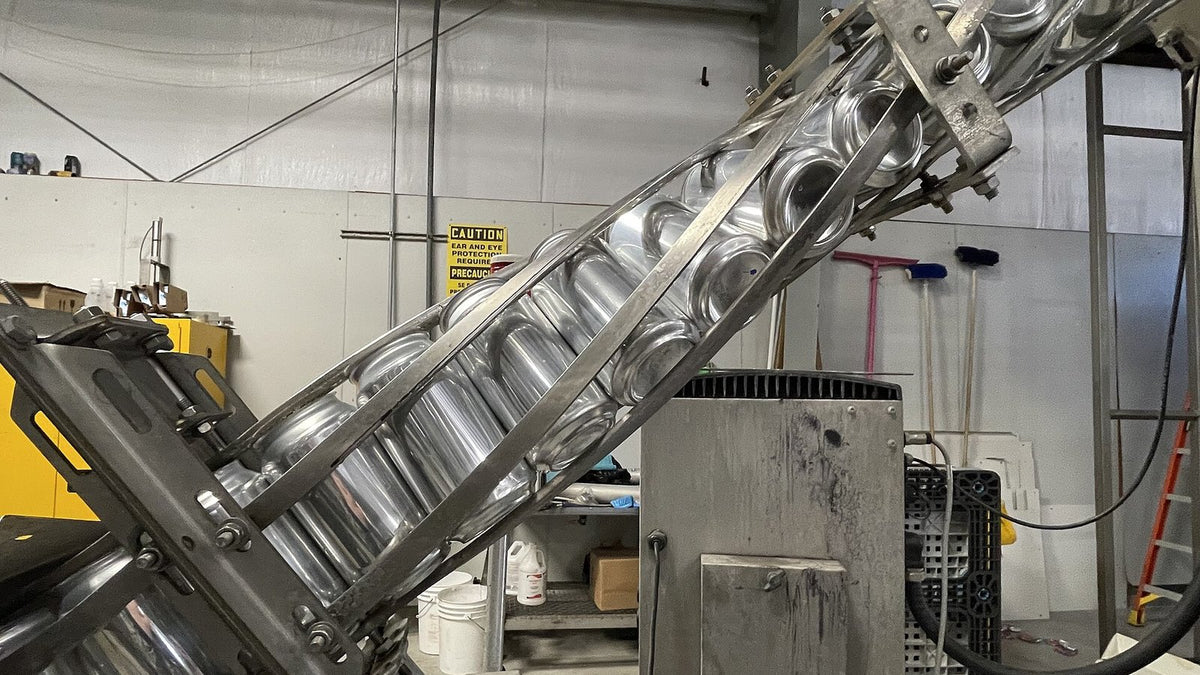
Photo: Sarah Stierch (Missvain), CC BY 4.0, via Wikimedia Commons