

Spirit Academy › Liqueur Aperitivo › Ready-to-Drink Cocktails
Ready-to-Drink Cocktails
Canned and bottled cocktails: how U.S. law sorts spirits-, malt- and wine-based RTDs, and what the 2024–2025 numbers show.
In one sip
A ready-to-drink cocktail, or RTD, is a mixed drink sold sealed and ready to pour: a canned Margarita, a bottled Negroni, a vodka soda in a slim can. What sits inside the can decides how it is regulated, taxed and sold. In the United States, spirits-based RTDs were the spirits industry's strongest growth category in 2025.
Where it started
Premixed drinks are not new, but the modern boom is recent. DISCUS reported spirits RTD sales up 16.5 percent in 2024, with premixed cocktails including spirits RTDs reaching $3.3 billion.5 In 2025 the category grew 16.4 percent to $3.8 billion, and DISCUS called RTDs the industry's strongest growth category in a year when total U.S. spirits revenue fell 2.2 percent.6 DISCUS also reported that spirits RTDs more than doubled their market share since 2021.6
Globally, IWSR data show RTD volumes up 3 percent in 2025 while all other major categories declined, and RTDs overtook vodka in global value that year.7 IWSR's U.S. figures show spirits-based RTDs up 14 percent in 2025 and malt-based products down 5 percent.8
Where and how it's made
U.S. law has no single "RTD" class; the base decides.
Spirits-based
A canned cocktail that does not meet another spirits standard is a distilled spirits specialty product. It may be designated by a distinctive or fanciful name, which may be the name of a cocktail, shown with a statement of composition.1
Malt-based
Malt-based RTDs and flavored malt beverages are made under the beer rules. Flavors and other nonbeverage ingredients containing alcohol may contribute no more than 49 percent of the alcohol in the finished beer.2 Above 6 percent alcohol, no more than 1.5 percent of the beer's volume may be alcohol from added flavors.2
The practical upshot: read the fine print. "Made with real tequila" and "tequila-flavored malt beverage" are different products under different rules.
How to taste it
Chill it well and pour it over fresh ice into a glass rather than drinking from the can; you will smell more. Check the alcohol on the label, since RTDs range from seltzer strength to full cocktail strength. Garnish as you would the original drink. Pairings: tacos with a canned Paloma, a burger with a highball.
Styles and what the label means
- Spirits-based canned cocktail — real spirits, a specialty-product label.1
- Flavored malt beverage / hard seltzer — beer base, alcohol mostly from fermentation.2
- Wine-based cocktail or spritz — aromatised wine products.3
- Bottled classics — stirred drinks like the Negroni or Manhattan, pre-diluted. vermouth-and-aromatized-wine →
Words to know
Tap a term to get asked about it in The Tasting Room.
Sources
- 27 CFR 5.156 Distilled spirits specialty products (eCFR) accessed 2026-10-12
- 27 CFR 25.15 Materials for the production of beer (eCFR) accessed 2026-10-12
- Regulation (EU) No 251/2014, Article 3, as adopted accessed 2026-10-12
- Regulation (EU) No 251/2014, Annex II, as adopted accessed 2026-10-12
- DISCUS Annual Economic Briefing 2024 (Feb 11, 2025) accessed 2026-10-12
- DISCUS Annual Economic Briefing 2025 (Feb 5, 2026) accessed 2026-10-12
- IWSR — Too big to ignore: how should spirits companies target the RTD opportunity? (May 2026) accessed 2026-10-12
- The Spirits Business — RTDs overtake vodka in global value (June 2026) accessed 2026-10-12
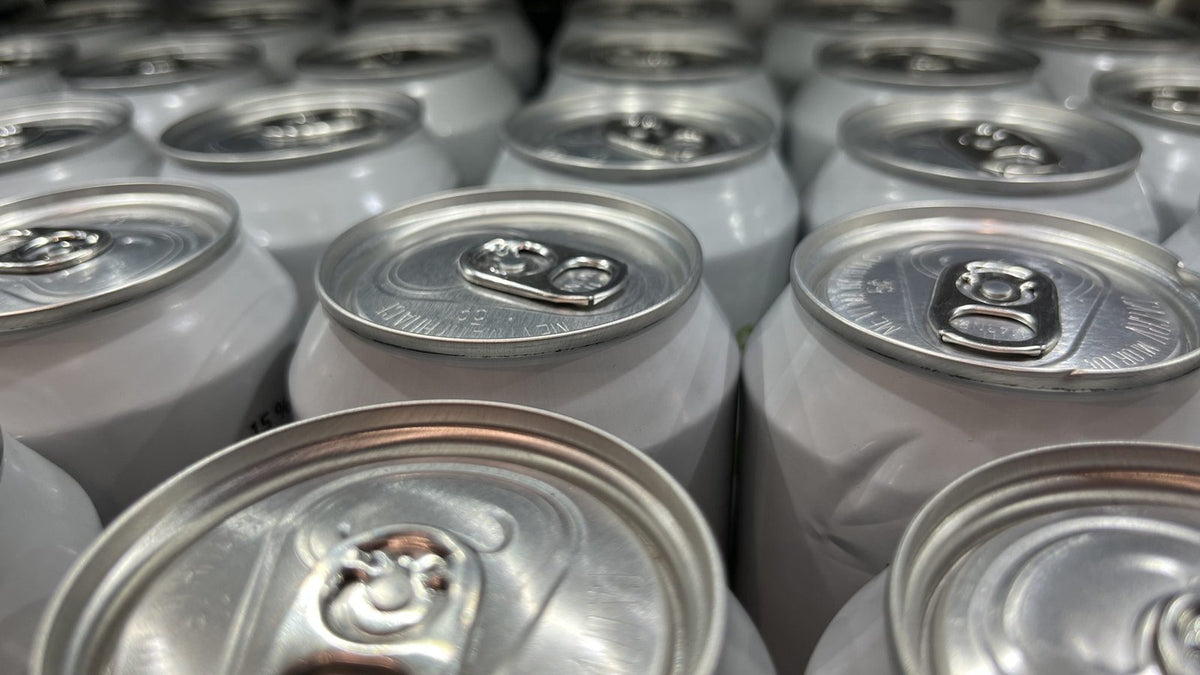
Photo: Topher, CC0 1.0, via Wikimedia Commons