

Spirit Academy › Trends › Sustainability and Packaging
Sustainability and Packaging
As of late 2026: lighter wine bottles, a new sparkling-bottle accord, California deposits on wine and spirits, and boxed wine moving upmarket.
In one sip
As of late 2026, the most practical sustainability change in wine is the bottle itself. The Sustainable Wine Roundtable calls the glass bottle the single most significant part of wine's carbon footprint, so retailers and producers are pushing for lighter bottles, sparkling wine now has its own weight accord, and premium wine is turning up in boxes. In California, wine and spirits containers now carry a deposit.
Where it started
The Sustainable Wine Roundtable launched its Bottle Weight Accord in November 2023 with a group of retailers; each participant aims to cut the average weight of its 750 ml still-wine bottles to below 420 grams by the end of 2026, from an industry average of about 550 grams.4 SWR's research shows that as much as half of wine's carbon impact comes from the bottle.4 In its first year, signatories brought their average down to 451.75 grams.4
Where and how it's made
Bottles
SWR's research found bottle weight is one of the least important factors when shoppers choose a wine, behind price, recommendation and a familiar name.1 Its research lead said the easiest win is removing the punt, the dimple in the base.1
Sparkling
Sparkling bottles have to hold pressure, so they are heavier.2 The Comité Champagne says moving the standard bottle from 900 to 835 grams saves about 17,000 tonnes of CO2.6 In July 2026 SWR launched a Sparkling Bottle Weight Accord, building on the still-wine accord.5 The Comité also reported that Champagne's 2026 harvest was the earliest ever recorded, about 14 days ahead of 2025.7
Deposits
Since 1 January 2024, wine and distilled spirits containers in California carry the California Redemption Value; boxes, bladders and pouches of wine or spirits carry 25 cents.3 A 2025 law moved the start of CRV labeling on those containers to 1 July 2026.3
Boxes go upmarket
NielsenIQ data show U.S. retail boxed-wine sales up more than 4 percent by value in 2024; premium boxes, priced at $28 or more per 3 liters, reached $1.6 billion, up nearly 9 percent.8
How to taste it
Packaging should not change the wine if it is fresh. Pour a boxed wine and a bottled wine of the same grape side by side in matching glasses and taste blind. Boxes suit wine meant for drinking young; age-worthy wine still belongs in glass. Pairings: roast chicken, pasta with tomato sauce, a cheese board.
Styles and what the label means
- Lightweight bottle — a still-wine bottle around 420 grams or less.4
- Bag-in-box — wine in a collapsible bag inside a carton, now with a premium tier.8
- CRV — California's deposit on beverage containers, now including wine and spirits.3
- Punt — the dimple in the bottom of a bottle; SWR's research lead called removing it the easiest win.1
- Sparkling bottle — heavier because it holds pressure. champagne →
Words to know
Tap a term to get asked about it in The Tasting Room.
Start here — craft pours to try
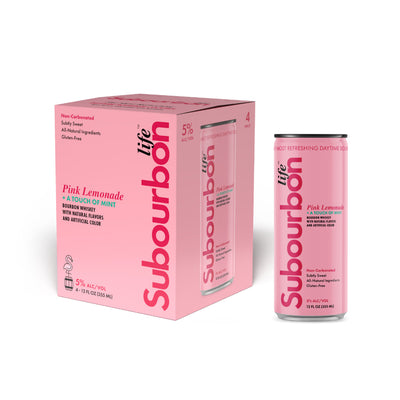
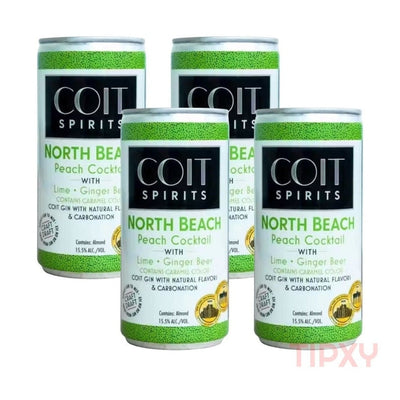
Real bottles from craft makers on Tipxy.
Sources
- International Wine Challenge — Bottle Weight Accord explained accessed 2026-10-12
- International Wine Challenge — A new standard for Champagne bottles? accessed 2026-10-12
- CalRecycle — Beverage Container Recycling accessed 2026-10-12
- Sustainable Wine Roundtable — The SWR Bottle Weight Accord: Key Information accessed 2026-10-12
- Sustainable Wine Roundtable — Launch of the Sparkling Bottle Weight Accord (Jul 30, 2026) accessed 2026-10-12
- Comité Champagne — Champagne bottles and bottling accessed 2026-10-12
- Comité Champagne — Champagne 2026: an exceptional harvest (Sep 9, 2026) accessed 2026-10-12
- Shanken News Daily — Higher-end boxed wines growing from a small base (Sep 26, 2025) accessed 2026-10-12
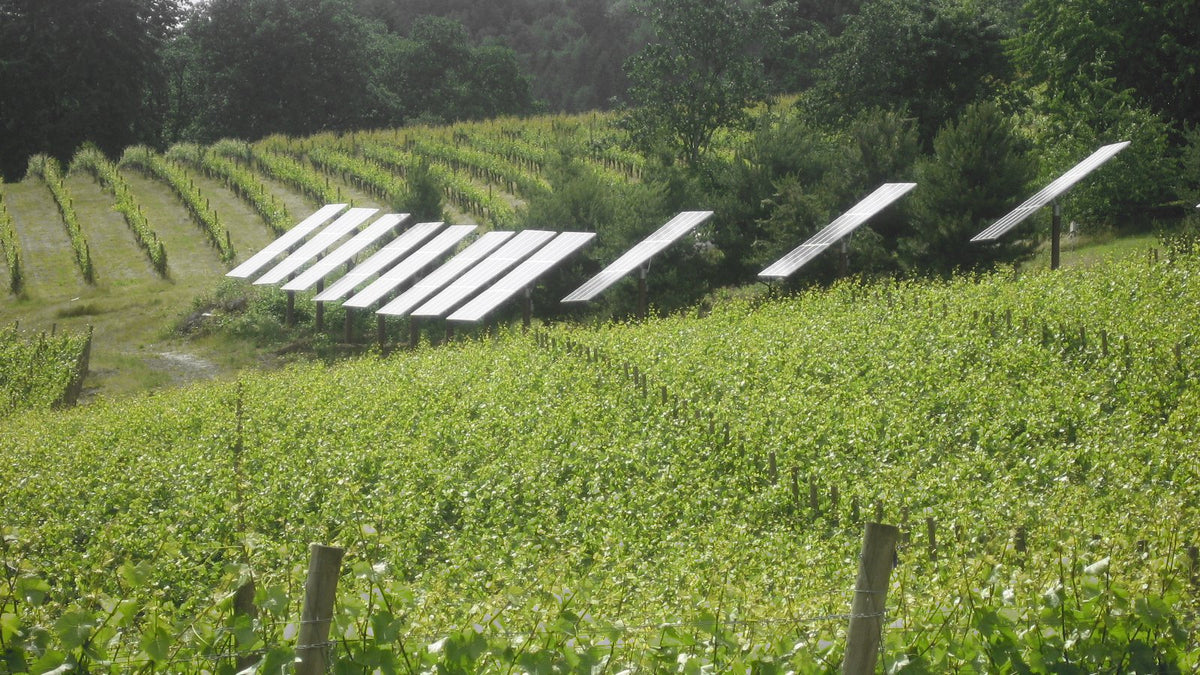
Photo: eyeliam, CC BY 2.0, via Wikimedia Commons