

Spirit Academy › Agave › Agave Spirits
Agave Spirits
Tequila, mezcal, raicilla, bacanora and their desert cousin sotol: Mexico's protected spirits, what separates them, and how to read the bottle.
In one sip
Agave spirits are distilled from the cooked heart of the agave plant, a spiky succulent that takes years to mature and is harvested once. Mexico protects the big names by appellation: tequila from blue agave in five states, mezcal from dozens of agave species, and smaller regional spirits like raicilla and bacanora. Sotol rides along on the same shelf, though its plant is not an agave at all.
Where it started
Indigenous Mexicans were already fermenting agave into pulque; distilling arrived with the Spanish, and the earliest records of a tequila-like spirit in Jalisco date to the 16th century.3 The modern legal map came in the late 20th century. Tequila's general declaration of protection was published on December 9, 1974, Mexico's first appellation of origin.9 Mezcal has held its own appellation since 1994.5 Sotol followed with a protection declaration published on August 8, 2002.8
Where and how it's made
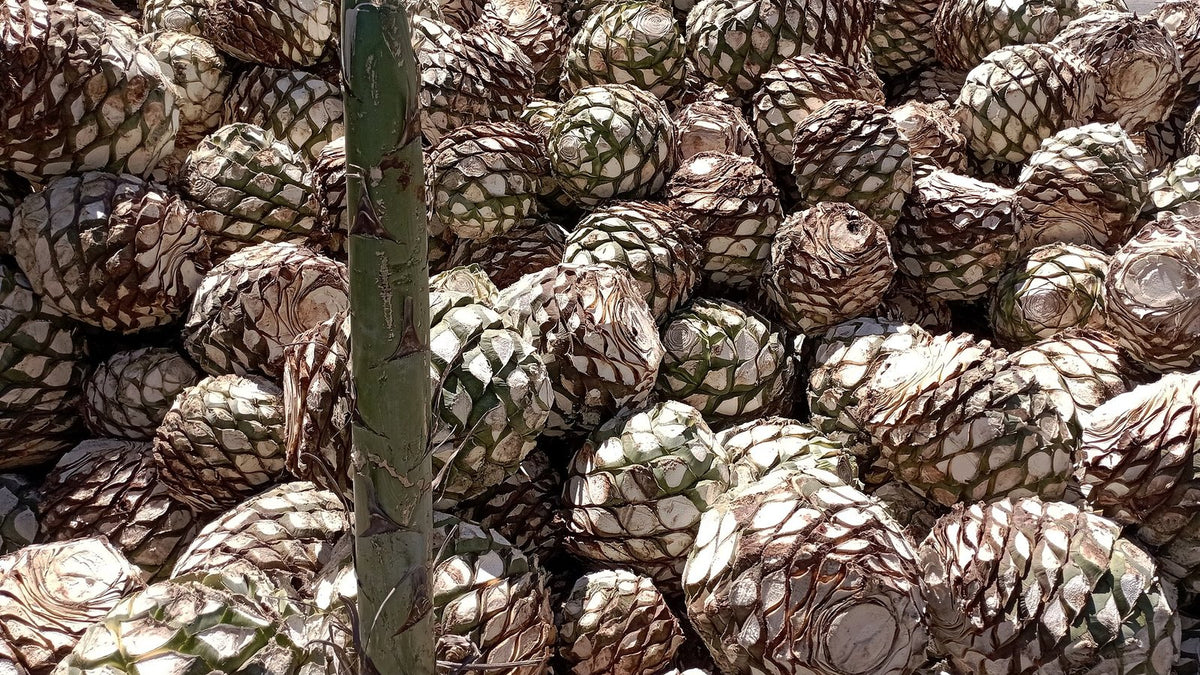
The rules differ, but tequila's process is the template. The leaves come off a mature plant to free the heart, which is cooked to turn its inulin into fermentable sugar, then crushed; the juice is fermented and distilled.3
Tequila may use only Agave tequilana Weber, blue variety, grown in 181 municipalities across Jalisco, Michoacán, Guanajuato, Nayarit and Tamaulipas.2 It must contain at least 51 percent blue-agave sugars; a "100% agave" label means no other sugar was used.3
Mezcal is always 100 percent maguey or agave, from any species of the genus, harvested inside its appellation.4 That appellation covers Oaxaca, Guerrero, San Luis Potosí, Zacatecas and Durango plus parts of Puebla, Michoacán, Tamaulipas and Guanajuato.5 Oaxaca made 89.47 percent of certified mezcal in 2025.6
Raicilla, bacanora, sotol. Mexican standards list all three among the country's distilled spirits.7 Raicilla comes from Jalisco and Nayarit, bacanora from Sonora, and sotol from the Dasylirion plant of the north.7118
In the U.S., federal rules create a class called agave spirits: at least 51 percent from the genus Agave, distilled under 190 proof and bottled at 80 proof or more. Tequila and mezcal are types within that class and must be made in Mexico under Mexican law.1 The class is also what lets a distillery outside Mexico sell a spirit made from agave: it may be labeled agave spirits, aged in wood if the maker likes, but never tequila or mezcal.1 Mixtures of agave spirits fall in the same class.1
How to taste it
A small copita, a Glencairn or a narrow tulip, at room temperature. Blancos show the plant: cooked agave, citrus, black pepper, green herbs. Oak brings vanilla and caramel as the age climbs. Mezcal cooked in earthen pits adds smoke, so take a smaller first sip and let it open. Pairings: grilled fish tacos with a tequila blanco, mole with an añejo, orange slices and sal de gusano alongside an espadín mezcal.
Styles and what the label means
Words to know
Tap a term to get asked about it in The Tasting Room.
Start here — craft pours to try
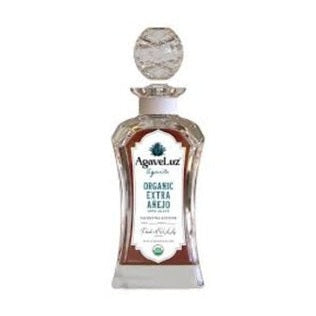
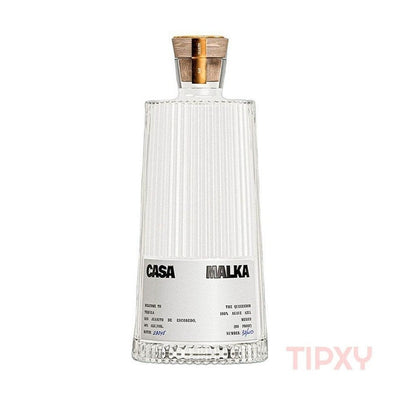
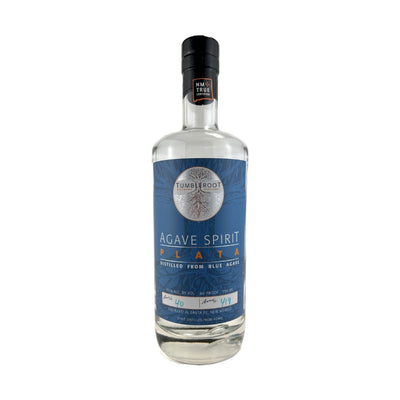
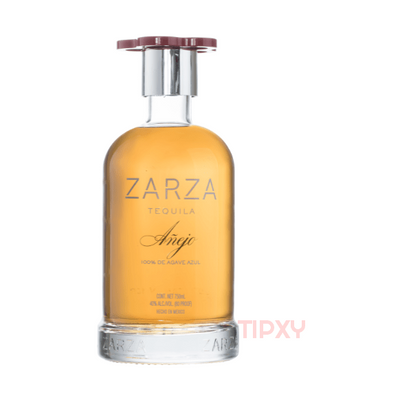
Real bottles from craft makers on Tipxy.
Sources
- 27 CFR 5.148 Agave spirits (eCFR) accessed 2026-10-12
- Consejo Regulador del Tequila — Appellation of Origin accessed 2026-10-12
- Consejo Regulador del Tequila — Our Tequila accessed 2026-10-12
- NOM-070-SCFI-2016 Alcoholic Beverages — Mezcal — Specifications (English text, COMERCAM) accessed 2026-10-12
- COMERCAM — Denominación de Origen Mezcal accessed 2026-10-12
- COMERCAM — Informe Estadístico 2026 accessed 2026-10-12
- NOM-199-SCFI-2017 Bebidas alcohólicas — Denominación, especificaciones (DOF) accessed 2026-10-12
- NOM-159-SCFI-2004 Bebidas alcohólicas — Sotol (DOF) accessed 2026-10-12
- Consejo Regulador del Tequila — The Appellation of Origin Tequila celebrates its first 50 years accessed 2026-10-12
- NOM-006-SCFI-2012 Bebidas alcohólicas — Tequila — Especificaciones (DOF, 13 Dec 2012) accessed 2026-10-12
- NOM-168-SCFI-2004 Bebidas alcohólicas — Bacanora (DOF, 14 Dec 2005) accessed 2026-10-12
Photo: Juan Carlos Fonseca Mata, CC BY-SA 4.0, via Wikimedia Commons