

Spirit Academy › Agave › Tequila
Tequila
Blue agave from five Mexican states, certified by the CRT under NOM-006: the two categories, five classes and the numbers on every bottle.
In one sip
Tequila is a Mexican appellation spirit made only from blue agave, Agave tequilana Weber, inside a defined territory, and certified by the Consejo Regulador del Tequila. The label tells you two things that matter most: whether it is 100% agave, and how long it rested in oak.
Where it started
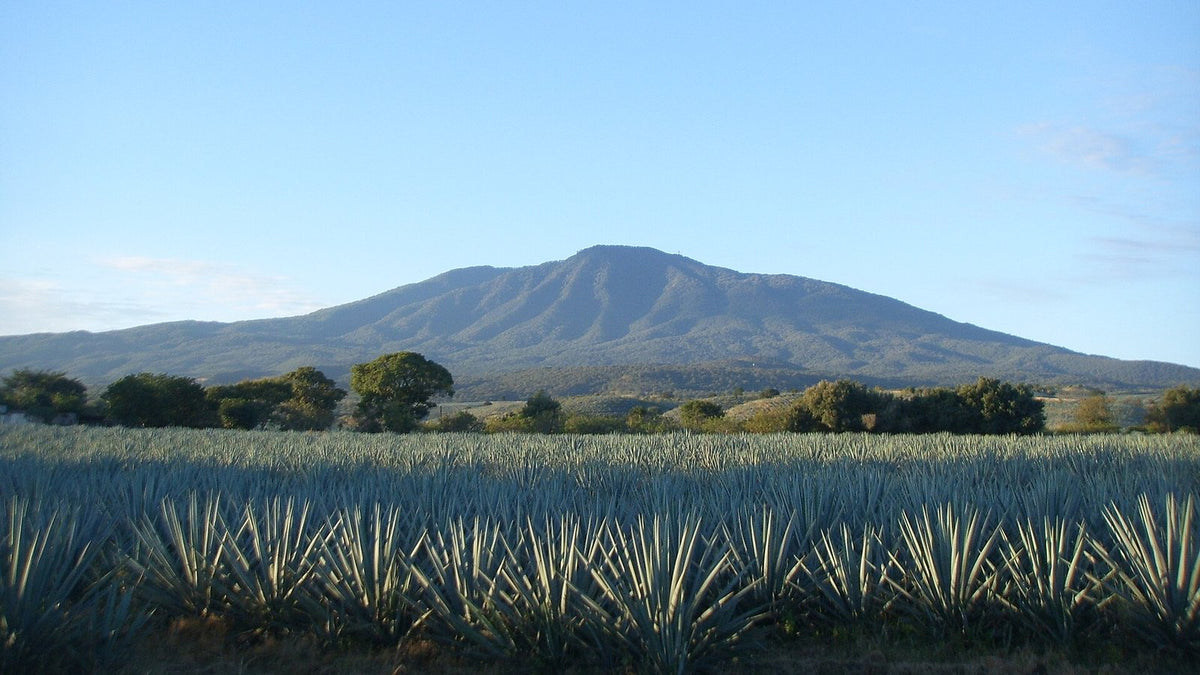
The earliest records of a tequila-like spirit in Jalisco date to the 16th century.3 UNESCO inscribed the agave landscape around the town of Tequila as World Heritage in 2006, describing land shaped by the plant's use since the 16th century.7 The general declaration protecting the name was published on December 9, 1974.5 The CRT was founded on May 17, 1994.4 The current standard, NOM-006-SCFI-2012, was published on December 13, 2012.1 In 1974 the industry made 53 million liters; the CRT's 50th-anniversary release put the latest annual figure at 599 million.5
Where and how it's made
The appellation covers 181 municipalities in Jalisco, Michoacán, Guanajuato, Nayarit and Tamaulipas.2 The CRT says it can take five to eight years from field to bottle.3 Harvesters (jimadores) cut the piña free; hydrolysis or cooking converts sugars such as inulin into fermentable ones, which the CRT says can take up to six hours at 120 to 125°C; mills separate juice from fiber; yeast ferments the must; and distillation in two phases, generally in stills, produces Tequila Blanco.3
Two categories sit on top of the classes. Tequila 100% de agave uses only blue-agave sugar and must be bottled in a plant the producer controls inside the territory.1 Tequila (without "100%") needs at least 51 percent blue-agave sugar; up to 49 percent can come from other, non-agave sugars, and it may be bottled outside the territory.1 Cold blending with other spirits is forbidden in both.1 The Mexican standard sets every class at 35 to 55 percent alcohol by volume.1 U.S. rules add a floor of 40 percent for agave spirits.8
The CRT reported 229 authorized producers and 3,402 registered brands in mid-2026, and says the U.S. takes about 81 percent of exports.6
How to taste it
A narrow copita or tulip glass, room temperature, no salt and lime the first time. Look for cooked agave, citrus peel and white pepper in a blanco; vanilla and caramel take over as age increases. Pairings: ceviche with blanco, carnitas with reposado, dark chocolate with añejo.
Styles and what the label means
- Blanco / Plata (Silver) — straight from the still, optionally rested under two months. blanco →
- Joven / Oro (Gold) — blanco blended with aged tequila, or blanco "abocado" with permitted softeners.1
- Reposado (Aged) — at least two months in oak. reposado →
- Añejo (Extra aged) — at least one year in oak up to 600 liters. anejo →
- Extra añejo (Ultra aged) — at least three years. extra-anejo →
- Cristalino — aged and filtered clear; not a legal class. cristalino →
- NOM number and additives — how to read the fine print. nom-additives-and-labels →
Note the export translations: on an English label, "Aged" means reposado.1
Words to know
Tap a term to get asked about it in The Tasting Room.
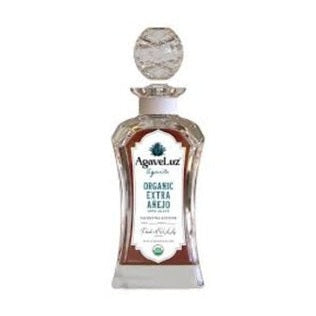
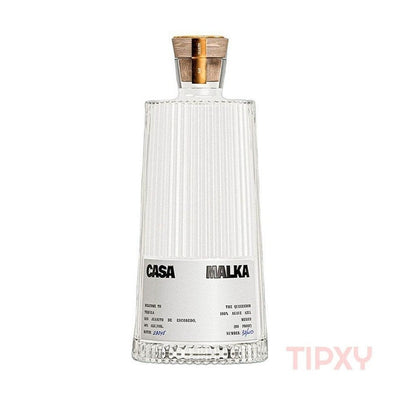
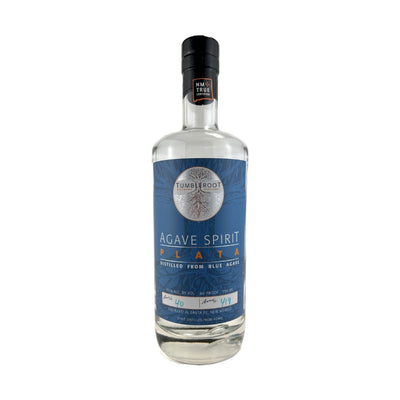
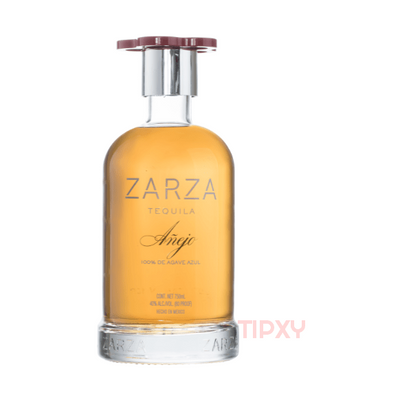
Start here — craft pours to try
Real bottles from craft makers on Tipxy.
Sources
- NOM-006-SCFI-2012 Bebidas alcohólicas — Tequila — Especificaciones (DOF, 13 Dec 2012) accessed 2026-10-12
- Consejo Regulador del Tequila — Appellation of Origin accessed 2026-10-12
- Consejo Regulador del Tequila — Our Tequila accessed 2026-10-12
- Consejo Regulador del Tequila — About Us accessed 2026-10-12
- Consejo Regulador del Tequila — The Appellation of Origin Tequila celebrates its first 50 years accessed 2026-10-12
- Consejo Regulador del Tequila — July 24, National Tequila Day accessed 2026-10-12
- UNESCO World Heritage — Agave Landscape and Ancient Industrial Facilities of Tequila accessed 2026-10-12
- 27 CFR 5.148 Agave spirits (eCFR) accessed 2026-10-12
Photo: México en Fotos, A.C., CC BY-SA 2.0, via Wikimedia Commons