

Clase Azul
Clase Azul tequila and mezcal, in the hand-painted ceramic decanters made by artisans in Santa María Canchesdá. The metal cap rings when struck, which is why so many people search for the tequila with the bell on top. Browse the range below.
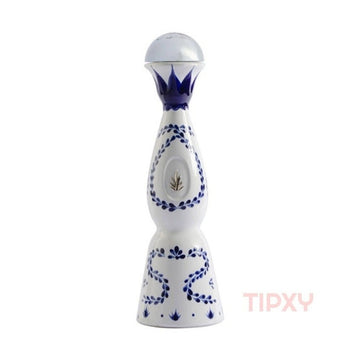
Reposado Tequila
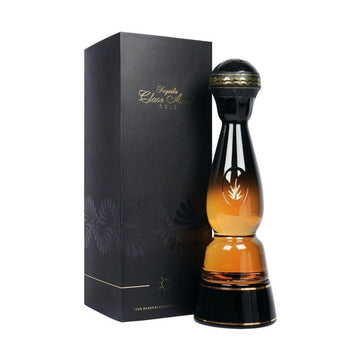
Tequila Gold
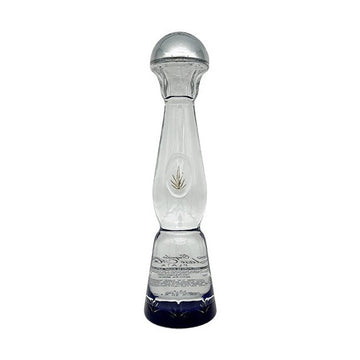
Tequila Plata
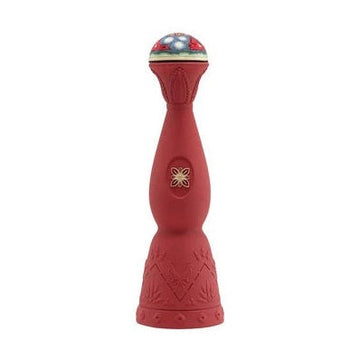
Mezcal San Luis Potosi
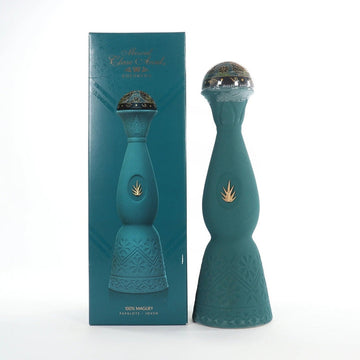
Mezcal Guerrero
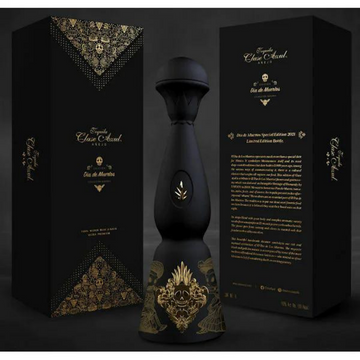
Tequila Anejo Dia De Muertos Limited Edition 2021


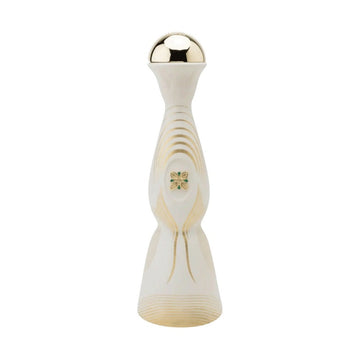
Joven Spirit of Champions Limited Edition Tequila
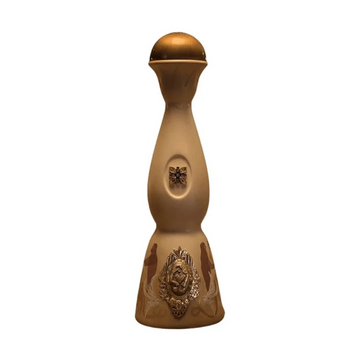
Dia de los Muertos 2025 Edition Anejo Tequila

25th Anniversary Reposado Tequila
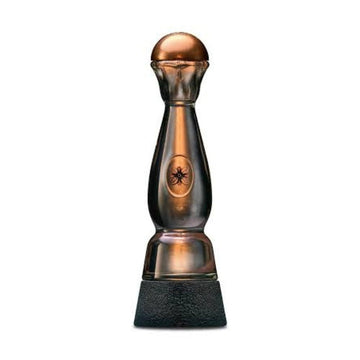
Blanco Ahumado Tequila
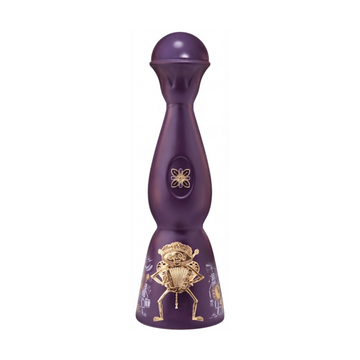
Dia De Los Muertos Musica Limited Edition Anejo Tequila
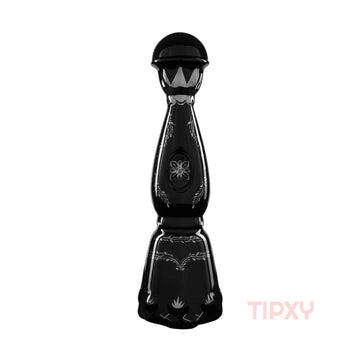
Ultra 5 Year Old Tequila
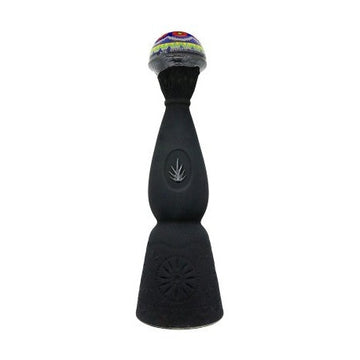
Mezcal Durango
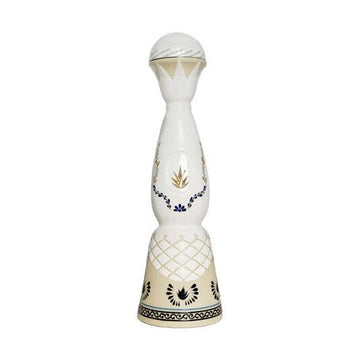
Tequila Anejo

Dia De Los Muertos Limited Edition Colores Anejo Tequila 2022
The bottle everyone describes but cannot name
Clase Azul Reposado comes in a tall white ceramic decanter with cobalt blue detailing painted on by hand. The decanters are handmade and hand-painted by artisans in the town of Santa María Canchesdá, in the State of Mexico, where the brand runs its own ceramics workshop.
That decanter is the reason this is one of the most-described and least-named bottles in spirits. People search for the blue and white tequila bottle, the white tequila bottle with blue painting, the fancy ceramic one. They are all looking for this. The metal cap rings when it is struck, which is why 'the tequila with the bell on top' is another common way in.
The decanter is designed to be kept. Plenty of buyers give the empties a second life as a vase or a candle holder.
The core range
Plata is the unaged tequila and the entry point to the range. It is the most cocktail-friendly of the set.
Reposado is the signature. Rested for eight months in American whiskey casks, it sits between the Plata's fresh agave and the Añejo's oak. This is the one in the blue-and-white decanter and the one that made the brand.
Añejo spends 25 months in American whiskey casks. Its decanter is a tribute to the Mazahua people, with raw clay at the base, a thin blue line and the brand's feathered pattern in 24-karat gold paint.
Blanco Ahumado is an unaged tequila with a light smoke. The agave is cooked slowly in a pit oven lined with firewood and volcanic stone, an older way of making tequila.
Gold is a blend of Plata, Reposado and an extra añejo finished in sherry casks, in a glass decanter fused to a ceramic base. Ultra is the flagship, an extra añejo aged five years.
The mezcals
Clase Azul also bottles three mezcals, each named for the Mexican state its agave comes from, and each in its own decanter:
- Guerrero, made from papalote agave native to the humid highlands of Guerrero
- Durango, made from cenizo agave from the semi-arid highlands of Durango
- San Luis Potosí, made from green agave (Agave salmiana) native to that state's desert slopes
All three are joven, meaning unaged.
Día de los Muertos and the limited editions
Clase Azul releases a Día de los Muertos limited edition each year: an añejo in a decanter styled after Mexican Day of the Dead imagery. Past editions include Colores, Música and Trascender. They are bought as display pieces as often as for drinking.
There are also one-off releases outside that line, such as the Joven Spirit of Champions and anniversary bottlings.
What drives the price
Mostly the decanter and the time. Each decanter is made and painted by hand, and the aged tequilas spend from eight months to five years in cask. The limited editions are made in small numbers.
Within the range, Plata and Reposado are the entry bottles, the Añejo and the mezcals sit above them, and Ultra and the limited editions are at the top. Current prices for each size are on the bottles above.
Frequently asked questions
What is the tequila in the blue and white bottle?
Clase Azul Reposado. The tall white ceramic decanter with hand-painted cobalt blue detail is its signature.
What is the tequila with the bell on top?
Clase Azul. The metal cap on the decanter rings like a bell when it is struck.
Why is Clase Azul so expensive?
Mostly the bottle and the aging. Each decanter is handmade and hand-painted by artisans in Santa María Canchesdá, which costs far more than glass, and the aged tequilas spend months or years in cask.
Who makes Clase Azul?
Clase Azul México, founded by Arturo Lomelí in 1997. The decanters are made at the company's own ceramics workshop.
Are Clase Azul bottles really hand painted?
Yes. The decanters are painted by hand, so the pattern varies slightly from one bottle to the next.
Which Clase Azul should I start with?
Reposado if you want the one the brand is known for. Plata if you mostly make cocktails. Añejo if you drink aged whisky and want something to sip.
How should I drink it?
Neat, at room temperature, in a small glass. The Plata and Reposado also work in a cocktail; the Añejo, Gold and Ultra are sipping bottles.
What is the difference between Clase Azul tequila and Clase Azul mezcal?
The tequilas are made only from blue weber agave. The mezcals use other agaves, papalote, cenizo and green agave, from Guerrero, Durango and San Luis Potosí.
Looking for other rare bottles? See Rare & Allocated or the full tequila collection.