

Spirit Academy › Brandy › Pisco
Pisco
Unaged grape brandy from South America's Pacific coast, defined by two national laws: Peru's and Chile's. Same name, different rules.
In one sip
Pisco is grape brandy from the Pacific coast of South America, and it is usually clear: the point is the aroma of the grape, not the barrel. Peru and Chile both make it, both protect the name in their own law, and their rules differ enough that a Peruvian and a Chilean pisco can taste like two different spirits.
Where it started
Who owns the name is a long-running dispute between the two countries, and this page does not take a side. What the record shows: Peru declared Pisco a denomination of origin on 12 December 1990, and Indecopi reports that the European Union recognized it as originating in Peru in November 2013.2 Chile's pisco rules sit in Decreto 521, dated 30 December 1999, which reserves the name for pisco from its own regions.3 U.S. federal rules recognize both, as "Pisco Perú" and "Pisco Chileno," each made under its own country's law.4
Where and how it's made
Peru
Pisco is distilled from freshly fermented must of eight "pisco grapes," on the coast of Lima, Ica, Arequipa and Moquegua and in the Locumba, Sama and Caplina valleys of Tacna.1 Quebranta, Negra Criolla, Mollar and Uvina are the non-aromatic grapes; Italia, Moscatel, Albilla and Torontel the aromatic ones.1 Distillation is direct and discontinuous, in a falca or an alambique.1 Adding sugar or water in any form is prohibited, and the finished pisco must be between 38 and 48 percent alcohol.1 It rests at least three months in glass, stainless steel or another inert material before bottling.1
Chile
Pisco comes from the Atacama and Coquimbo regions, distilled from wine of eleven permitted varieties, five of them principal and six accessory, including Moscatel de Alejandría, Torontel and Pedro Jiménez.3 Distillation is in discontinuous stills, and the spirit rests at least 60 days.3 Wood is allowed: "guarda" means at least 180 days in wood and "envejecido" at least 360.3
How to taste it
A small tulip at cool room temperature. Aromatic-grape piscos (Italia, Torontel) smell of flowers and citrus peel; Quebranta is earthier and quieter. In a Pisco Sour, pisco meets lime, sugar and egg white. Pairings: ceviche, fried calamari, salty cheese.
Styles and what the label means
Peru's three types:1 - Pisco Puro — a single grape variety. - Pisco Mosto Verde — distilled from fresh must whose fermentation was interrupted. - Pisco Acholado — a blend of grapes, musts or piscos.
Chile's grades by minimum strength:3 - Pisco Corriente o Tradicional — 30 degrees. - Pisco Especial — 35 degrees. - Pisco Reservado — 40 degrees. - Gran Pisco — 43 degrees.
In the United States, pisco is exempt from the age statement rule because it is not customarily stored in oak.5
Words to know
Tap a term to get asked about it in The Tasting Room.
Start here — craft pours to try
Real bottles from craft makers on Tipxy.

Sources
- Indecopi — Reglamento de la Denominación de Origen Pisco accessed 2026-10-12
- Indecopi — Día Nacional del Pisco Sour (2nd ed., Jan 2025) accessed 2026-10-12
- Chile, Decreto 521 — Reglamento de la Denominación de Origen Pisco (consolidated text, BCN Ley Chile bcn.cl/3cl2w, last amended 22 Dec 2020; FAOLEX copy) accessed 2026-10-12
- 27 CFR 5.145 Brandy (eCFR) accessed 2026-10-12
- 27 CFR 5.74 Statements of age, storage, and percentage (eCFR) accessed 2026-10-12
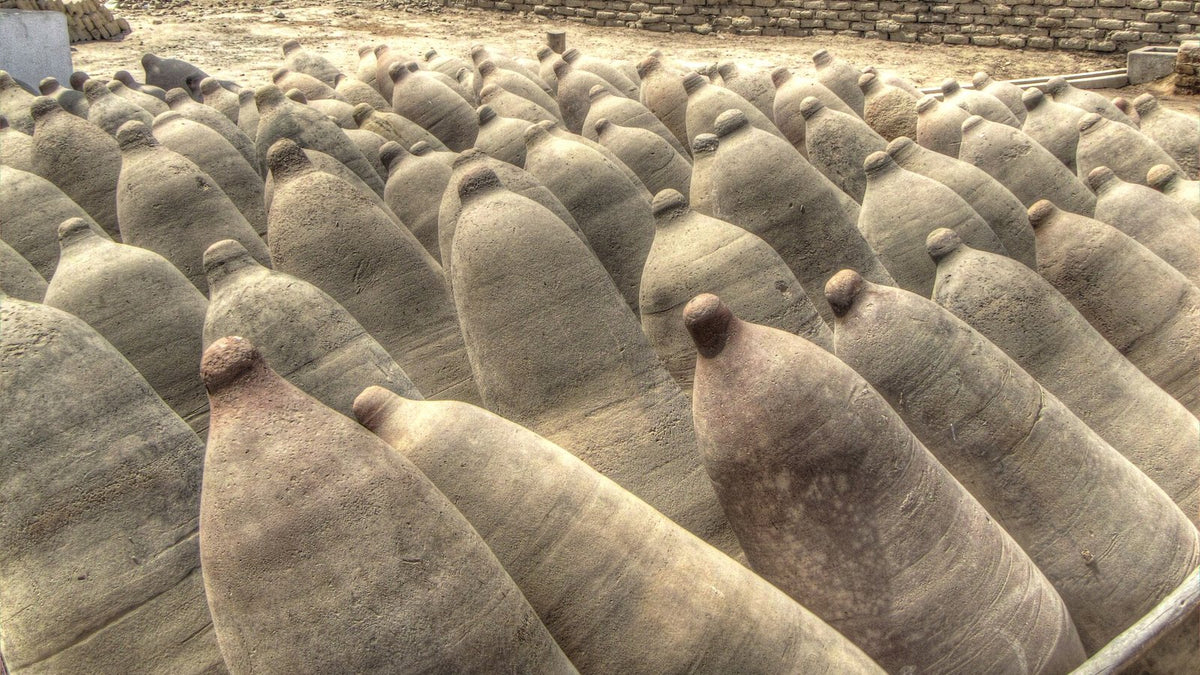
Photo: 5snake5, CC0 1.0, via Wikimedia Commons