


Spirit Academy › Bar Craft › How to Taste Spirits
How to Taste Spirits
Look, nose, sip, wait. The professional method for tasting whisky, rum, tequila or gin, adapted for a glass at 40 percent alcohol.
In one sip
Tasting a spirit is the same job as tasting wine with one complication: alcohol at 40 percent or more numbs the nose if you rush it. Go slowly, use a glass that narrows at the rim, and add a little water when you want to see more.
Where it started
Structured spirits tasting borrows its method from the wine trade. The Wine & Spirit Education Trust was founded in 1969 as an offshoot of the UK trade group the Wine & Spirit Association.4 Its Systematic Approach to Tasting (SAT) for spirits now runs at Level 2 and Level 3; the Level 3 version in use in 2026 is Issue 3, dated 2025.2 Purpose-built whisky glasses came late. The Glencairn glass launched in 2001; its maker says Scotch master blenders helped refine it.13
Where and how it's made
Follow the SAT order and write a word or two at each step.
Appearance. Intensity runs from water-white to opaque, and colour from colourless through lemon, gold and amber to brown.1 Swirl and watch the legs: thick, slow legs mean more viscosity, which can come from age, higher alcohol or added sugar.6 A haze when water is added, louching, is an expected observation for some spirits, not a fault.1
Nose. First condition, clean or unclean, then intensity, from neutral to pronounced.1 WSET groups aromas by where they come from: raw material, processing, and oak and maturation.1 Corn reads as butterscotch, sweetcorn and popcorn; rye as rye bread and peppercorn; agave as root vegetable, olive and green bell pepper.1 Fruity esters, banana, pineapple, pear and even nail varnish, come from processing. A pungent solvent smell is described as a prickling sensation on the nose.1
Palate. Judge sweetness from dry to sweet, then texture: rough, smooth, watery, mouthfilling, warming.1 Most of what you call flavour is smell. The tongue detects only sweetness, acidity, bitterness, salt and umami; the rest is picked up by the nose.3 Of everything that shapes texture, residual or added sugar usually has the most dramatic effect.7
Finish. Length is short, medium or long, and its nature runs from neutral through simple to very complex.1
Water. The Scotch Whisky Association suggests still, unchilled water: it lowers the alcohol and raises the temperature slightly, releasing more of the whisky's flavours.12
How to taste it
Glencairn says its glass was sized for a measured 35 ml pour, with room for water.13 Nose twice, sip small, then after twenty or thirty seconds draw a little air in through the mouth; the Oxford Companion notes this can expose volatility and impurities.5 Keep water and plain crackers nearby and spit when tasting many samples. Pairings: dark chocolate with whisky,12 salted almonds with aged rum, orange segments with reposado tequila.
Styles and what the label means
- Neat — room temperature, no ice, in a narrow-rimmed glass. glassware →
- With water — a few drops of still, unchilled water, then taste again.12
- On the rocks — ice chills and dilutes; pleasant for sipping, poor for analysis.
- Blind — the bottle hidden; WSET's Level 3 conclusion asks for an identity type, such as agave spirit, and a category, such as Tequila.2
- Cask strength — dilute before judging. cask-strength →
Words to know
Tap a term to get asked about it in The Tasting Room.
Start here — craft pours to try
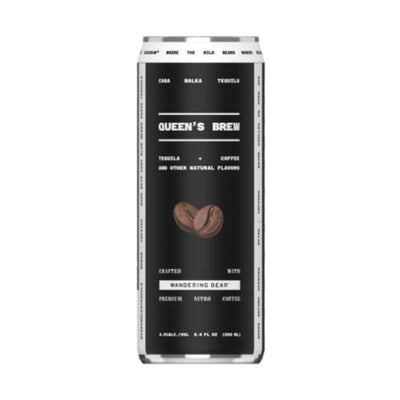
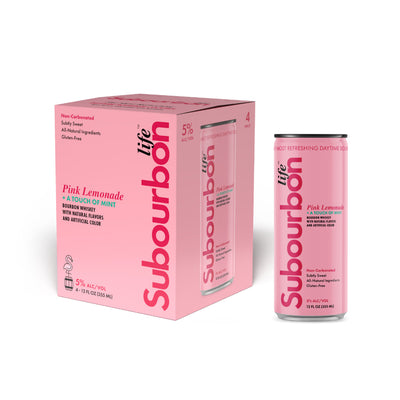
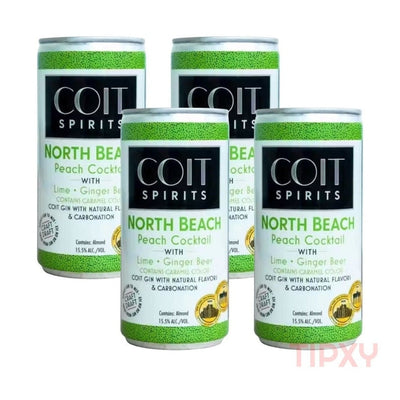
Real bottles from craft makers on Tipxy.
Sources
- WSET Level 2 Systematic Approach to Tasting Spirits and Spirit-Lexicon (Issue 2, 2022) accessed 2026-10-12
- WSET Level 3 Systematic Approach to Tasting Spirits and Spirits-Lexicon (Issue 3, 2025) accessed 2026-10-12
- WSET Level 2 Award in Wines — Session Plans (Issue 2, 2023) accessed 2026-10-12
- Oxford Companion to Spirits & Cocktails — Wine & Spirit Education Trust (WSET) accessed 2026-10-12
- Oxford Companion to Spirits & Cocktails — tasting spirits accessed 2026-10-12
- Oxford Companion to Spirits & Cocktails — legs (or tears) accessed 2026-10-12
- Oxford Companion to Spirits & Cocktails — texture and mouthfeel accessed 2026-10-12
- Oxford Companion to Spirits & Cocktails — The nose accessed 2026-10-12
- Oxford Companion to Spirits & Cocktails — supertaster accessed 2026-10-12
- Oxford Companion to Spirits & Cocktails — TCA (2,4,6-trichloroanisole) accessed 2026-10-12
- Oxford Companion to Spirits & Cocktails — dilution accessed 2026-10-12
- Scotch Whisky Association — Scotch Whisky Tasting Toolkit (2020) accessed 2026-10-12
- Glencairn Crystal — The Glencairn Glass accessed 2026-10-12
Photo: Lord van Tasm, CC BY-SA 3.0, via Wikimedia Commons