

Spirit Academy › Gin Vodka White › Vodka
Vodka
High-proof neutral spirit from grain, potato or almost anything: the U.S. and EU rules, the 2020 'no character' change, and Poland's paper trail.
In one sip
Vodka is spirit distilled so high that most of the raw material's flavor is stripped away, then cut with water to drinking strength. What is left is texture and a quiet signature from the grain, potato or fruit it started as. That restraint is the point: it lets the rest of the drink do the talking.
Where it started
Who distilled it first is a long-running argument, and Poland's GI file makes a detailed case: it says the word wódka comes from woda, water, and was first recorded in 1405 in a court document; it cites vodka stills in Gdańsk in 1454 and 49 distilleries around Poznań in the 1580s.6 Gdańsk was a major vodka export center in the 17th and 18th centuries, shipping to England, Russia, the Netherlands and beyond.6 Sweden's file credits continuous distillation, developed in the 1800s, as crucial to the purity of Swedish vodka.7 Poland marks Polish Vodka Day on January 13, the date the amended GI definition took effect in 2013.10
Where and how it's made
U.S. law files vodka under neutral spirits: distilled from any suitable material at or above 95 percent alcohol (190 proof) and bottled at not less than 80 proof.1 Vodka may be treated with up to 2 grams per liter of sugar and 1 gram per liter of citric acid, and may not be aged or stored in wood, except paraffin-lined barrels for bottled-in-bond.13 Vodka filtered through at least one ounce of activated charcoal per 100 wine gallons may say "charcoal filtered."1
Until 2020, U.S. vodka also had to be "without distinctive character, aroma, taste, or color." T.D. TTB-158, effective May 4, 2020, dropped that phrase, agreeing it "no longer reflects consumer expectations."4 TTB received twelve comments on the vodka standard, and ten asked for the phrase to go; one distiller argued it no longer fit "the variety in base ingredients, flavors, and flavor profiles" in the category.4 Vodka is now distinguished by its production rules: it cannot be labeled as aged, and a neutral spirit that is aged becomes "grain spirits."4
The EU sets a 37.5 percent minimum, forbids coloring, caps sweetening at 8 grams per liter, and limits methanol to 10 grams per hectoliter of pure alcohol.5 Vodka not made only from potatoes or cereals must say "produced from …" next to the name.5
Country GIs tighten things further. Polska Wódka allows nothing but water as an additive and caps strength at 55 percent.6 Svensk Vodka ranges from 40 to 60 percent with at most 2 grams of sugar per liter.7 Vodka of Finland is more than 95 percent barley-based.8 Estonian Vodka bans distilled water for cutting.9
How to taste it
Room temperature tells you more than the freezer does: cold mutes aroma and thickens texture. Pour a small measure into a tulip glass and compare two bases side by side. Estonia's file puts it plainly: potato brings viscosity, sweetness and body; rye is robust and spicy; wheat is subtle and fruity.9 Food: pickles, smoked fish, rye bread with butter, pierogi.
Styles and what the label means
- Grain vodka — wheat, rye, barley and other cereals; the EU default. vodka-base-materials →
- Potato vodka — the other traditional base; often fuller in body. vodka-base-materials →
- "Produced from …" — EU label line for vodka made from anything other than potatoes or cereals, such as grapes.5
- Flavored vodka — a separate legal class with its own minimum strength and sugar limits. flavored-vodka →
- Charcoal filtered — a U.S. label term with a minimum charcoal dose.1
- Country-of-origin GIs — Polska Wódka, Svensk Vodka, Vodka of Finland, Estonian Vodka.6789
Words to know
Tap a term to get asked about it in The Tasting Room.
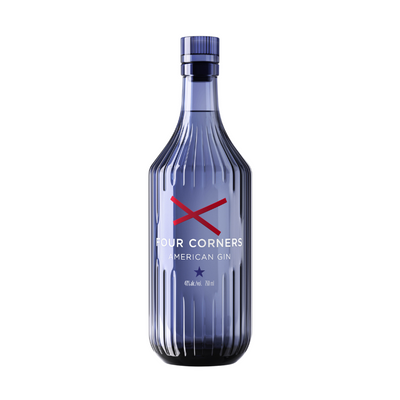
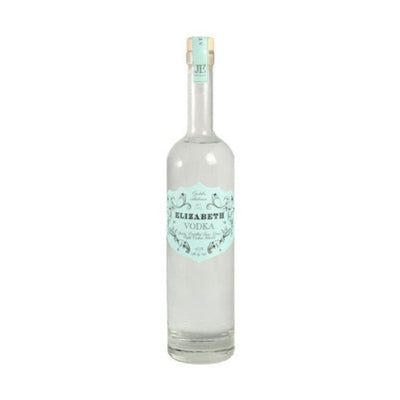
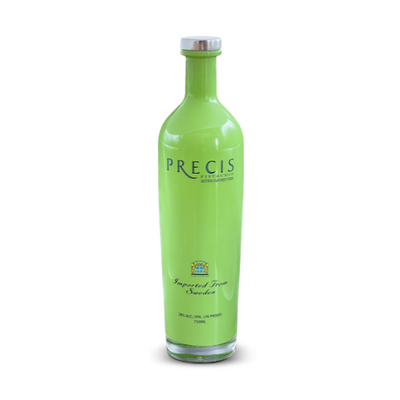
Start here — craft pours to try
Real bottles from craft makers on Tipxy.
Sources
- 27 CFR 5.142 Neutral spirits or alcohol (eCFR) accessed 2026-10-12
- 27 CFR 5.1 Definitions (eCFR) accessed 2026-10-12
- 27 CFR 5.88 Bottled in bond (eCFR) accessed 2026-10-12
- T.D. TTB-158, Modernization of the Labeling and Advertising Regulations, 85 FR (2 Apr 2020) accessed 2026-10-12
- Regulation (EU) 2019/787 on spirit drinks, consolidated text, Annex I accessed 2026-10-12
- eAmbrosia — Polska Wódka / Polish Vodka technical file (EN) accessed 2026-10-12
- eAmbrosia — Svensk Vodka / Swedish Vodka technical file (EN) accessed 2026-10-12
- eAmbrosia — Suomalainen Vodka / Vodka of Finland technical file (EN) accessed 2026-10-12
- eAmbrosia — Estonian Vodka technical file (EN) accessed 2026-10-12
- Polish Vodka Museum — Polish Vodka Day accessed 2026-10-12
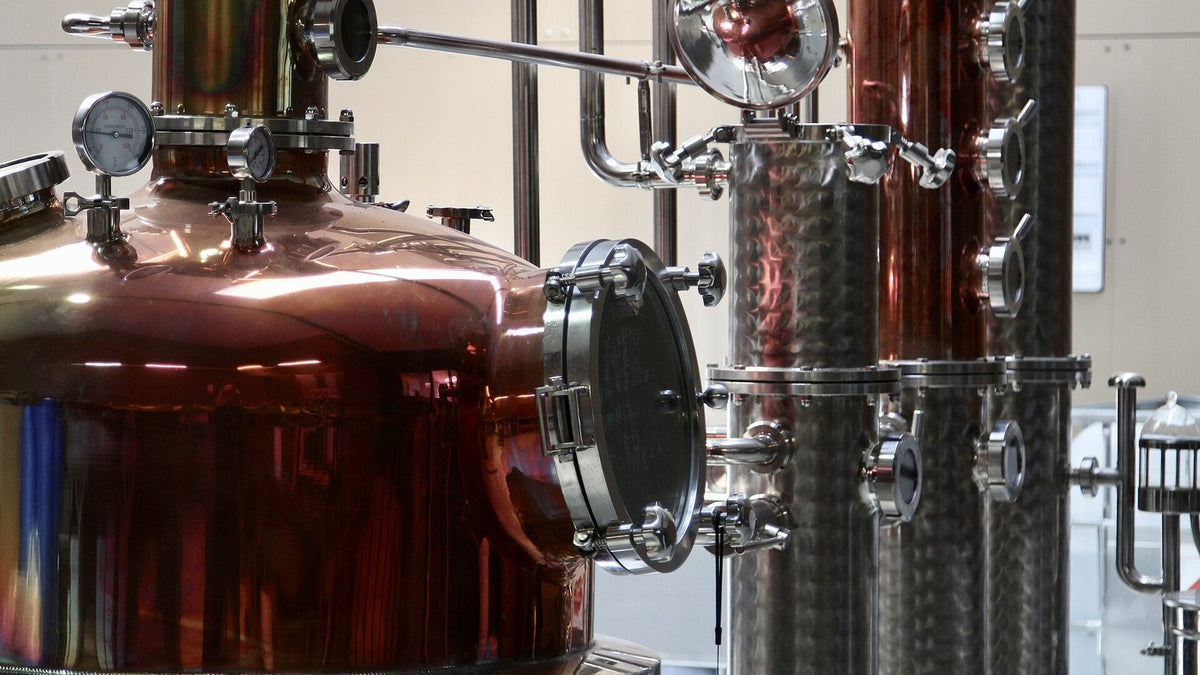
Photo: Yukonmanner, CC BY-SA 4.0, via Wikimedia Commons