

Spirit Academy › Gin Vodka White › Vodka Base Materials
Vodka Base Materials
Wheat, rye, barley, potato, grape: what vodka can be made from in U.S. and EU law, what country GIs require, and how the base shows up in the glass.
In one sip
Vodka is distilled to strip out most of its raw material's flavor, but not all of it. A wheat vodka tends to feel soft and slightly sweet, rye adds pepper and grip, potato brings body. The law in most places lets vodka start from almost any farm crop; the national GIs are what pin it to particular grains and soils.
Where it started
Poland's GI file records that grain was the main raw material for vodka from the second half of the 17th century until the early 19th, when production from potatoes began.3 Sweden's file describes a 19th-century move to continuous column distillation, still the principal technique, with an extraction column, rectification stage and methanol column reaching 96 percent alcohol.4
Where and how it's made
U.S. law is the loosest: neutral spirits, and therefore vodka, may be distilled "from any suitable material."1 The EU allows two routes: alcohol from "potatoes or cereals or both," or from "other agricultural raw materials."2 Anything outside potatoes and cereals must carry the indication "produced from …" plus the raw material, in the same field of vision as the word vodka.2 So a grape-based vodka sold in the EU tells you so on the front.
National GIs narrow the list and tie it to the soil: - Polska Wódka — only rye, wheat, barley, oats, triticale or potatoes grown in Poland, with all production stages in Poland.3 Fermentation averages two to three days, and the raw distillate must reach at least 88 percent before rectification.3 - Svensk Vodka — wheat, rye, barley, oat or potatoes cultivated in Sweden, with a "slight but perceptible taste of grain or potato."4 Rectification and blending with Swedish water must happen in Sweden.4 - Vodka of Finland — Finnish grain or potato, typically more than 95 percent barley, with a growing season of only 120 to 180 days.5 Distillation, rectification and blending must happen in Finland, though it may be bottled abroad.5 - Estonian Vodka — rye, wheat and/or potatoes grown in Estonia; grain is coarse-milled so that 25 percent of the flour is over 1 mm, and potatoes are crushed unpeeled.6 Fermentation takes about 72 hours.6
Water is the other raw material. Water makes up around 40 to 60 percent of Svensk Vodka.4 Finland uses spring or groundwater with no chemical treatment.5 Estonia forbids distilled water, and its file sets calcium and magnesium targets for the water used in fermentation and distillation, which it "strongly recommends" meeting.6
How to taste it
Line up a wheat, a rye and a potato vodka at room temperature in small tulip glasses. Nose for bread or cereal, then roll each across your tongue and compare weight: potato usually feels heaviest, wheat lightest, rye with a peppery finish. Pairings: rye bread with butter and dill, smoked salmon, boiled new potatoes with sour cream.
Styles and what the label means
- Wheat — Estonia's file credits wheat with subtlety, smoothness and fruitiness.6
- Rye — more full-bodied, robust and spicy.6
- Potato — viscosity, sweetness, smoothness and body.6
- Barley — the backbone of Finnish vodka, rarely used elsewhere, per the Finnish file.5
- "Produced from …" — EU wording for grape, fruit, sugar beet or other non-grain, non-potato bases.2
- Flavored vodka — a separate class. flavored-vodka →
Words to know
Tap a term to get asked about it in The Tasting Room.
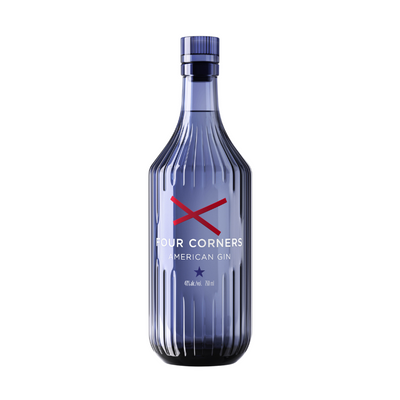
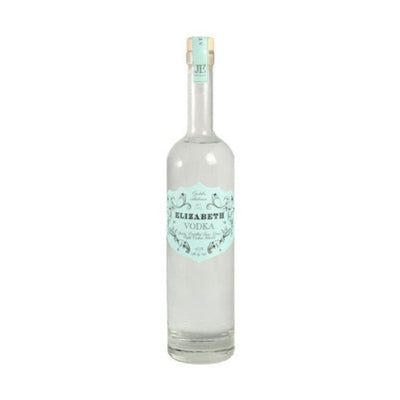
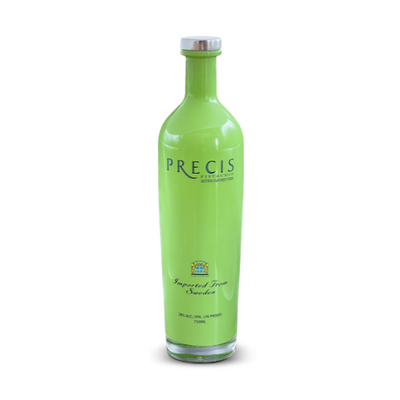
Start here — craft pours to try
Real bottles from craft makers on Tipxy.
Sources
- 27 CFR 5.142 Neutral spirits or alcohol (eCFR) accessed 2026-10-12
- Regulation (EU) 2019/787 on spirit drinks, consolidated text, Annex I accessed 2026-10-12
- eAmbrosia — Polska Wódka / Polish Vodka technical file (EN) accessed 2026-10-12
- eAmbrosia — Svensk Vodka / Swedish Vodka technical file (EN) accessed 2026-10-12
- eAmbrosia — Suomalainen Vodka / Vodka of Finland technical file (EN) accessed 2026-10-12
- eAmbrosia — Estonian Vodka technical file (EN) accessed 2026-10-12
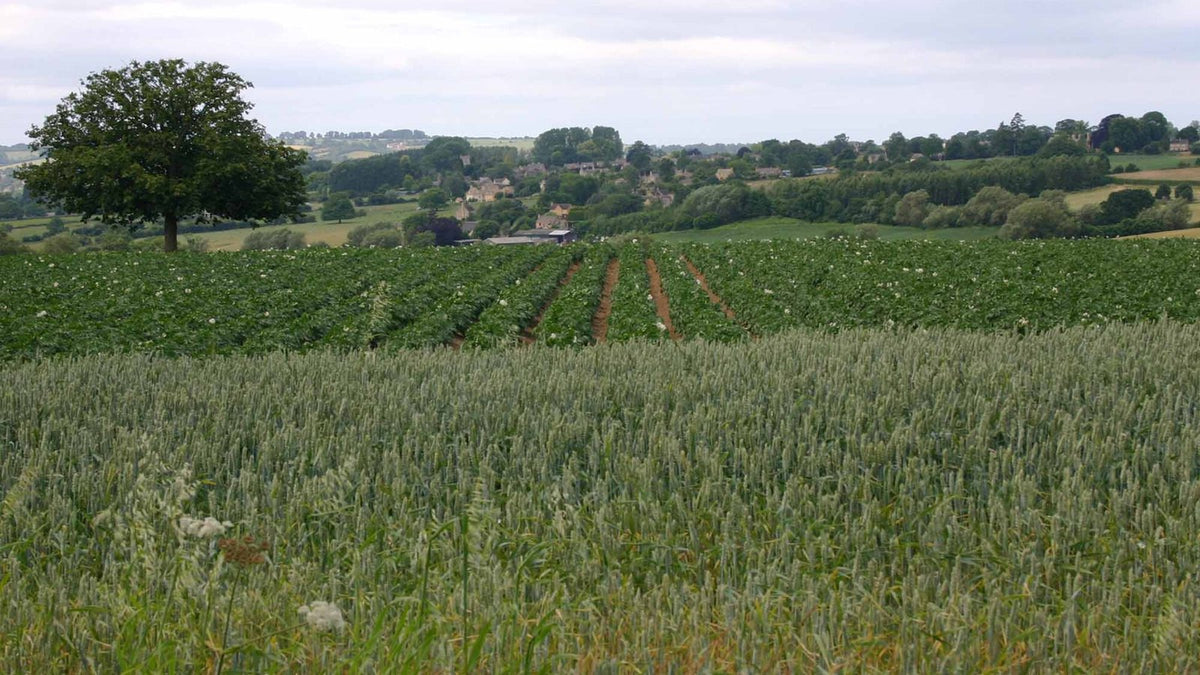
Photo: David P Howard, CC BY-SA 2.0, via Wikimedia Commons