

Spirit Academy › Wine › Sparkling Wine
Sparkling Wine
Wine with bubbles from its own fermentation: how bottle and tank methods differ, what the sweetness words mean, and how to serve it.
In one sip
Sparkling wine is wine made fizzy by its own fermentation in a closed container, so the carbon dioxide the yeast makes has nowhere to go but into the wine.[^cfr4.21] In the classic methods that fizz comes from a second fermentation, and where it happens, in the bottle or in a big tank, decides much of what you taste.
Where it started
Bubbles in wine were long an accident of cold cellars. In Champagne, fermentation often stopped in winter and restarted in spring; the gas escaped from barrels, so wines were more or less fizzy depending on the weather.1 Champagne makers then bottled the wine and began to control the "prise de mousse", the capture of the fizz.1 Dom Pierre Pérignon, a Hautvillers monk whose work the Comité dates to 1668, was one of the first to see that different wines and crus could be blended to complement each other.2 Cork stoppers reached Champagne in 1685, and in 1884 Armand Walfard invented cold disgorging, still used today.2 In Spain, the first traditional-method Cava bottles were made in Sant Sadurní d'Anoia in 1872.3
Where and how it's made
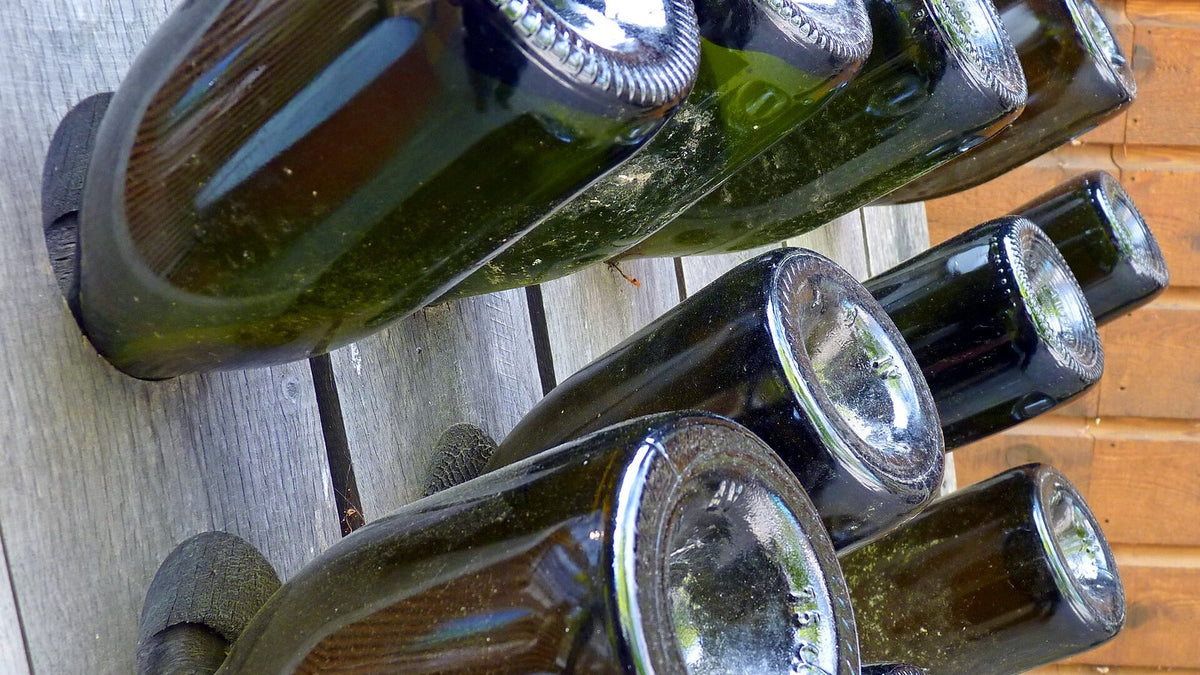
The traditional method, also called méthode champenoise, puts the second fermentation in the bottle.3 The steps run in this order: a blend of base wines is bottled with tirage liqueur, a mix of yeast and sugar; the bottles rest on their lees; riddling, by hand or with machines called gyropalettes, walks the sediment into the neck; disgorgement freezes the neck and ejects the plug; and dosage, wine plus sugar, tops the bottle up, except for Brut Nature.3
The tank method keeps the second fermentation in big sealed tanks. Prosecco calls them autoclaves and requires at least 30 days.4 In U.S. law, sparkling wine is wine whose carbon dioxide results solely from fermentation in a closed container, tank or bottle; wine with added gas is a separate class, carbonated wine.[^cfr4.21] A tank-made U.S. sparkling wine may add "charmat method" to its label as extra information.[^cfr4.21]
How to taste it
The Comité Champagne prefers a tall tulip glass: the bowl gives bubbles room and the narrow top holds the aromas. The coupe lets bubbles and aromas escape too quickly.1 Serve at 8 to 10°C, pouring in two stages.1 Look at the bead, then smell for fruit versus bread and toast, which comes from time on the lees. Pairings: oysters, fried chicken, salty cheese.
Styles and what the label means
- Champagne — traditional method, from one French region only. champagne →
- Prosecco — tank method, Glera grapes, northeast Italy. prosecco →
- Cava — traditional method, mostly Penedès in Spain. cava →
- Crémant and other traditional-method wines — France outside Champagne, South Africa's Cap Classique and more. cremant-and-other-sparkling →
- Brut — under 12 grams of sugar per litre; Extra-Dry is sweeter at 12 to 17.1
- Blanc de Blancs / Blanc de Noirs — white grapes only / dark-skinned grapes only.1
- Rosé — by skin maceration or, in Champagne, by blending in red wine. rose-wine →
Words to know
Tap a term to get asked about it in The Tasting Room.
Start here — craft pours to try
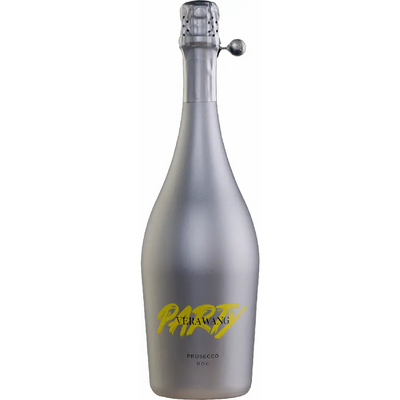
Real bottles from craft makers on Tipxy.
Sources
- Comité Champagne — Frequently asked questions accessed 2026-10-12
- Comité Champagne — Champagne and its history accessed 2026-10-12
- D.O. Cava — The traditional method accessed 2026-10-12
- Consorzio Prosecco DOC — Winemaking accessed 2026-10-12
Photo: Matt Boulton, CC BY-SA 2.0, via Wikimedia Commons