

Spirit Academy › Liqueur Aperitivo › Anise Spirits — Sambuca, Ouzo, Pastis and Arak
Anise Spirits — Sambuca, Ouzo, Pastis and Arak
The Mediterranean's anise family: what separates sambuca, ouzo, pastis and arak, and why they turn cloudy with water.
In one sip
Anise spirits share one flavor compound, anethole, and one party trick: add water and the clear spirit turns milky. Beyond that they split by sugar and strength. Sambuca is a sweet Italian liqueur; ouzo is a Greek and Cypriot distilled anis; pastis adds licorice root; arak is a dry, grape-based spirit traditionally served in the Middle East.
Where it started
Pastis as a named drink dates to 1932, when the 22-year-old Paul Ricard created his aniseed drink and set up a firm in Marseille to sell what he called pastis.4 Ouzo is an EU geographical indication, and its technical file describes it as produced exclusively in Greece and Cyprus.2 Arak's name comes from the Arabic word for perspire or sweat, perhaps because it was originally distilled from fermented date palm sap.5
Where and how it's made
EU categories
An aniseed-flavoured spirit drink must be at least 15 percent alcohol and keep the aniseed taste predominant.1 Pastis adds licorice root, is at least 40 percent, carries less than 100 grams of sugar per litre and 1.5 to 2 grams of anethole.1 Pastis de Marseille is at least 45 percent with 1.9 to 2.1 grams of anethole.1 Sambuca must be colorless, at least 38 percent, with at least 350 grams of sugar per litre and 1 to 2 grams of natural anethole.1
Ouzo
The technical file defines ouzo as a distilled anis made by blending alcohols flavored with aniseed, possibly fennel, mastic from Chios and other seeds and plants.2 The flavored distillate must come from traditional discontinuous copper stills of 1,000 litres or less, at 55 to 80 percent.2 Ouzo reaches market at no less than 37.5 percent, with a dry extract of no more than 50 grams per litre.2 Production steps cannot be split between Greece and Cyprus.2
Arak
Arak is distilled from fermented grapes, mixed with aniseed and redistilled slowly, often in a pot still; it is unsweetened and typically 50 percent or more.5 Do not confuse it with arrack, the East Asian spirit that is not anise-flavored.5
United States
Ouzo, Anise and Anisette are U.S. type names for anise-flavored liqueurs, and Sambuca is its own type.3
How to taste it
Add water before ice. Pastis is traditionally served one part to five parts chilled water, with the ice cubes added a few moments later.4 Arak is served about one-third arak to two-thirds water, again with ice only after the water.5 Cold or ice-shock can make anethole crystallize; the ouzo file notes crystals below 0 °C.2 Pairings: meze, grilled fish, olives, feta.
Styles and what the label means
- Sambuca — sweet, clear Italian anise liqueur.1
- Ouzo — Greek or Cypriot distilled anis, often with mastic.2
- Pastis — anise plus licorice, yellowish, lower in sugar.1
- Arak — dry, grape-based anise spirit of the Middle East.5
- Mistrà — unsweetened Italian anise spirit, 40 to 47 percent.1
- Absinthe — anise with wormwood, a separate story. absinthe →
Words to know
Tap a term to get asked about it in The Tasting Room.
Sources
- Regulation (EU) 2019/787, Annex I, as adopted (legislation.gov.uk archive of EU text) accessed 2026-10-12
- Technical file on the geographical indication 'Ouzo' (EU eAmbrosia, 2016) accessed 2026-10-12
- 27 CFR 5.150 Cordials and liqueurs (eCFR) accessed 2026-10-12
- Difford's Guide — Ricard Pastis de Marseille accessed 2026-10-12
- Difford's Guide — Arak / Araq / Raki accessed 2026-10-12
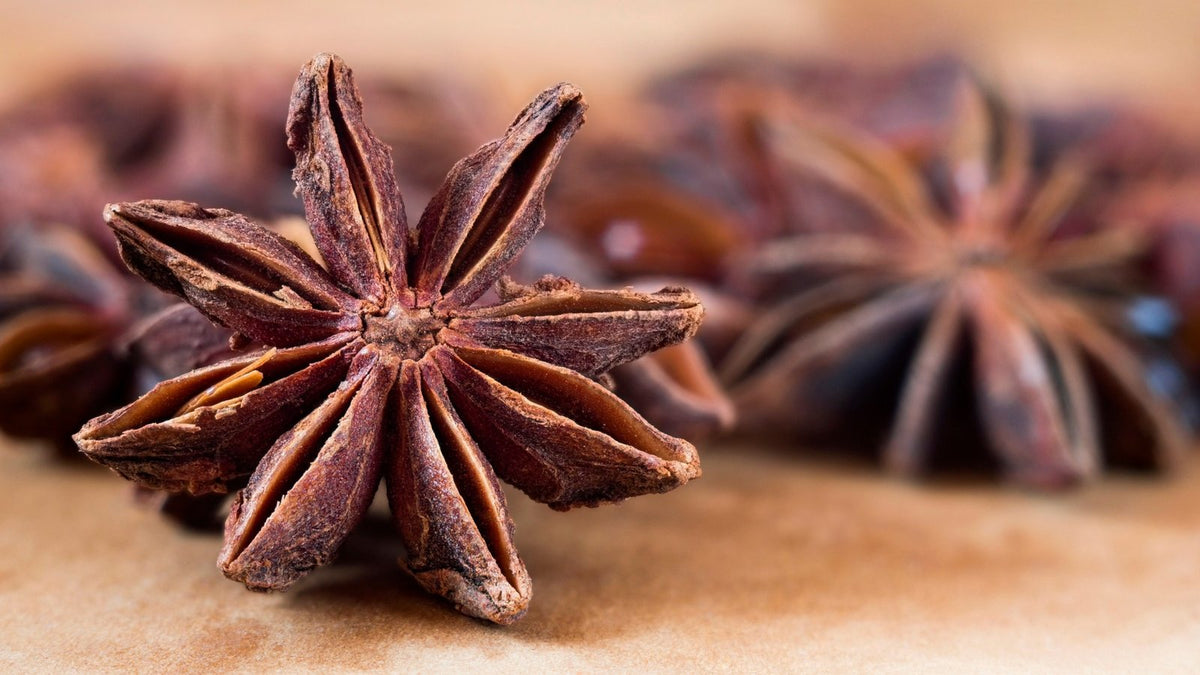
Photo: Retro Lenses, CC BY 4.0, via Wikimedia Commons