

Spirit Academy › Liqueur Aperitivo › Fruit and Nut Liqueurs
Fruit and Nut Liqueurs
Crème de cassis, maraschino, amaretto, nocino and sloe gin: the sugar rules, the real histories and the legends.
In one sip
Fruit and nut liqueurs usually build on one main flavor, captured in spirit and sweetened. Blackcurrant, marasca cherry, almond, green walnut and sloe each have their own rules and histories, and several carry legends that are better told than believed.
Where it started
Crème de cassis
Burgundy grew blackcurrants among its vines from the 18th century, and in 1841 the Dijon distiller Claude Joly and café owner Auguste-Denis Lagoute created the first crème de cassis, inspired by ratafia but with added sugar.3 Cassis de Dijon is a protected geographical indication, but sources date it differently: Burgundy's tourism board says it was recognised in 2013, and Crème de Cassis de Bourgogne in 2015,3 while the EU's 2008 spirit-drinks regulation already lists Cassis de Dijon and Cassis de Bourgogne as geographical indications.4 The Kir, crème de cassis with Aligoté white wine, takes its name from Félix Kir, a priest and mayor of Dijon who made it famous.3
Maraschino
Farmers around Zara on the Dalmatian coast had long made a macerated "rosolio maraschino" from the sour marasca cherry. Girolamo Luxardo founded a distillery there in 1821 to produce it on a larger scale; after the city was destroyed in the Second World War the family rebuilt in Torreglia, near Padua, planting its first orchard in 1947.5
Amaretto
The Saronno legend says an innkeeper created an almond liqueur in 1525 while modeling for a fresco painter. Difford's points out that commercial production began with the Reina family soon after 1900, so the documented history is about 125 years, not 500.6
Where and how it's made
Fruit liqueurs are made by macerating fruit in spirit, sometimes followed by distillation, then sweetening. The EU sets the sugar floors. A plain liqueur needs 100 grams of sweetening per litre; "crème de" needs 250; crème de cassis needs more than 400, which is why it is so dense.1 Maraschino must be colorless, at least 24 percent alcohol and at least 250 grams of sugar per litre, its flavor coming mainly from marasca cherries.1 Nocino is made from whole green walnuts, with at least 30 percent alcohol.1 Sloe gin is a liqueur of sloes macerated in gin, at least 25 percent.1
In the U.S., Amaretto is simply an almond-flavored liqueur type and sloe gin a liqueur whose main flavor comes from sloe berries.2
How to taste it
Serve fruit liqueurs slightly chilled in a small glass, or as a modifier: a spoon of cassis in white wine, a quarter ounce of maraschino in an Aviation. Nut liqueurs suit ice and coffee. Pairings: almond biscotti with amaretto, a cheese plate with nocino, berries with cassis.
Styles and what the label means
- Crème de cassis — blackcurrant, over 400 g/l of sugar in the EU.1
- Maraschino — colorless marasca cherry liqueur, at least 250 g/l of sugar.1
- Amaretto — almond-flavored liqueur.2
- Nocino — whole-green-walnut liqueur, at least 30 percent alcohol.1
- Sloe gin — sloes in gin; a liqueur, not a gin. liqueurs →
- Cherry brandy, apricot brandy — EU compound names for liqueurs, not brandies.1
Words to know
Tap a term to get asked about it in The Tasting Room.
Sources
- Regulation (EU) 2019/787, Annex I, as adopted (legislation.gov.uk archive of EU text) accessed 2026-10-12
- 27 CFR 5.150 Cordials and liqueurs (eCFR) accessed 2026-10-12
- Burgundy Tourism — Blackcurrant, the crème de la crème of berries accessed 2026-10-12
- Regulation (EC) No 110/2008, Annex III, as adopted (legislation.gov.uk archive of EU text) accessed 2026-10-12
- Difford's Guide — Girolamo Luxardo, story accessed 2026-10-12
- Difford's Guide — Disaronno, a 500-year legend accessed 2026-10-12
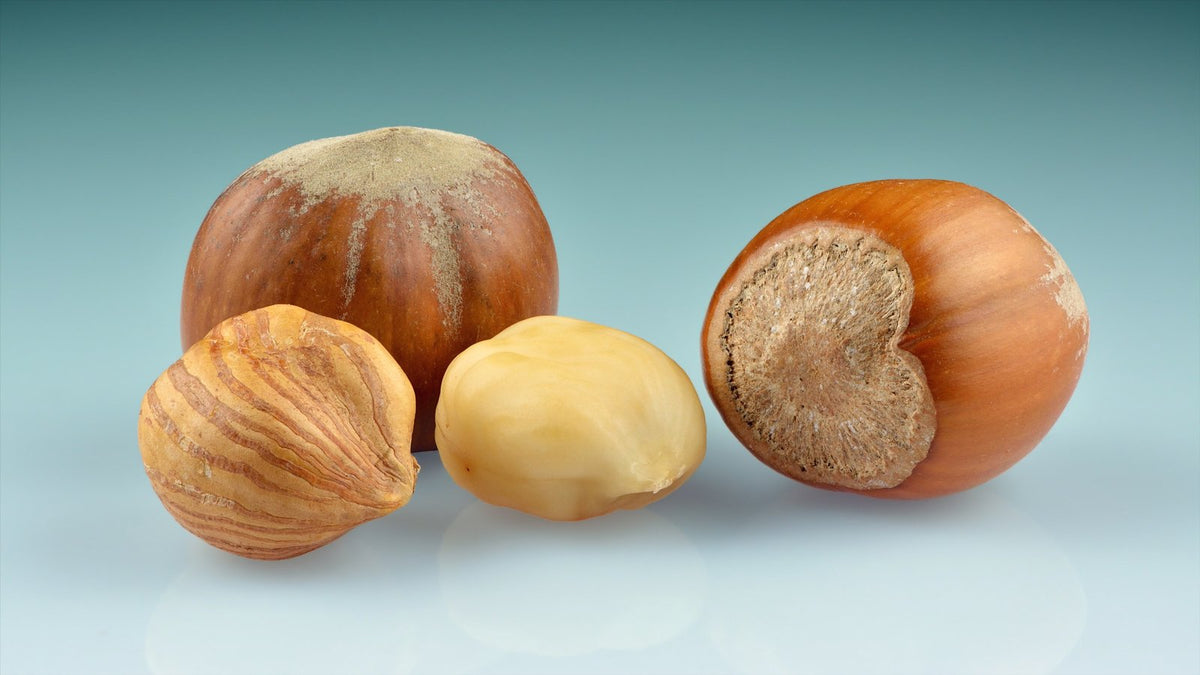
Photo: Ivar Leidus, CC BY-SA 4.0, via Wikimedia Commons