

Spirit Academy › Wine › Dessert Wine
Dessert Wine
Sweet wine from noble rot, frozen grapes or late harvest: Germany's Prädikat ladder, Tokaji, Sauternes, Alsace and Muscat.
In one sip
Dessert wines are sweet because the grapes were concentrated before pressing, by late harvesting, by noble rot or by freezing, or because fermentation was stopped. The best balance that sugar with high acidity, so they taste rich but not cloying.
Where it started
Tokaj's vineyards were classified in 1730, and a decree of 1757 closed the production district, partly because other regions borrowed the Tokay name.1 In Alsace, Vendanges Tardives and Sélection de Grains Nobles became official label terms in 1984.2
Where and how it's made
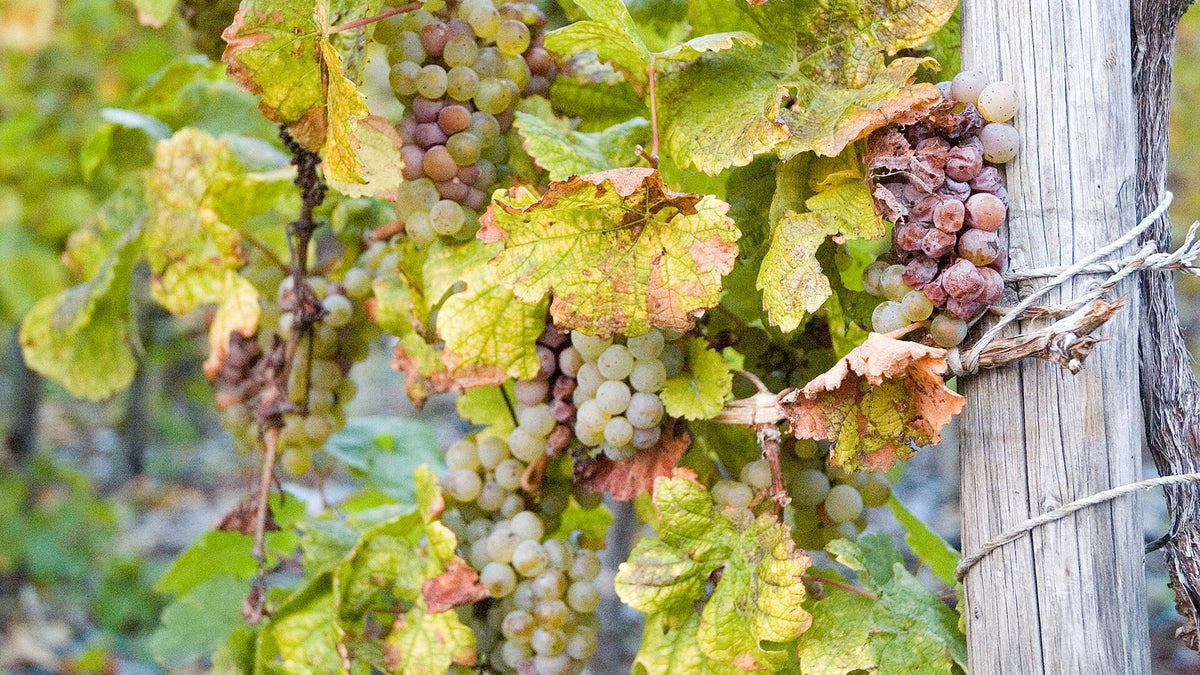
Noble rot. Botrytis cinerea shrivels ripe berries and concentrates their sugar.3 Bordeaux's Graves-Sauternes lies on the Left Bank between the Garonne and the Ciron.4 In Tokaj, shrivelled Aszú berries were once measured in baskets called puttony; since 2013 Tokaji Aszú must have at least 120 g/L of sugar.1 Only six native grapes are allowed, Furmint and Hárslevelü among them.1 Eszencia, a wine made entirely of Aszú berries, rarely ferments past 3 percent alcohol.1
Frozen grapes. German Eiswein grapes are picked and pressed at minus 7°C or colder, so only concentrated juice runs out.3
Ripeness ladders. Germany grades Prädikat wines by ripeness at harvest: Kabinett, Spätlese, Auslese, Beerenauslese, Eiswein and Trockenbeerenauslese, the top.3 Prädikat wines may not be chaptalised.3
Fortified and dried-grape wines. Port is sweet because grape brandy stops fermentation while sugar remains.5 Pedro Ximénez sherry comes from grapes dried in the sun until they turn to raisins; fermentation of the sugary must is stopped by adding wine alcohol, and ageing is oxidative, giving a syrupy wine of raisins, figs and dates.6 Madeira's sweet Malvasia style keeps its freshness through high acidity.7 fortified-wine →
Loire Chenin. Chenin picked at the end of the harvest gives the Loire's great sweet and syrupy wines.8
Muscat. Muscat Blanc, perhaps the world's oldest wine grape, makes still, sparkling and dessert wines with aromas of mandarin, orange blossom and pear.9
How to taste it
Serve cold in small pours. Look for acidity to cut the sugar; without it the wine feels heavy. Botrytis adds honey, apricot and saffron; Eiswein tastes of pure fruit and acidity. The rule for pairing: the wine should be at least as sweet as the dessert. Blue cheese and foie gras also work.
Styles and what the label means
- Spätlese / Auslese — late and selected harvest; not always sweet.3
- Beerenauslese / TBA — individually picked, usually botrytised berries.3
- Eiswein — frozen grapes.3
- Sauternes and Barsac — Bordeaux's sweet appellations.4
- Tokaji Aszú / Eszencia — Hungary's botrytised wines.1
- Vendanges Tardives / SGN — Alsace late harvest and noble rot.2
- Moscato — often low-alcohol and spritzy.9
Words to know
Tap a term to get asked about it in The Tasting Room.
Start here — craft pours to try
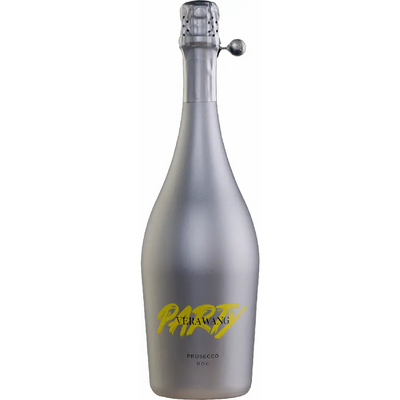
Real bottles from craft makers on Tipxy.
Sources
- Wine Folly — The story of Tokaji wine accessed 2026-10-12
- Vins d'Alsace — The AOC accessed 2026-10-12
- Wines of Germany (DWI) — Prädikat categories accessed 2026-10-12
- Bordeaux Wine Council (CIVB) — Graves-Sauternes accessed 2026-10-12
- IVDP — Port wines: introduction accessed 2026-10-12
- Consejo Regulador Jerez-Xérès-Sherry — Pedro Ximénez accessed 2026-10-12
- Madeira Wine Traditions (UNESCO candidacy, University of Madeira) — The present accessed 2026-10-12
- Vins de Loire (InterLoire) — Grape varieties accessed 2026-10-12
- Wine Institute — Muscat / Moscato fact sheet accessed 2026-10-12
Photo: Paul Asman and Jill Lenoble, CC BY 2.0, via Wikimedia Commons