

Spirit Academy › Liqueur Aperitivo › Cocktail Bitters
Cocktail Bitters
Aromatic, Creole and orange bitters: the dash that seasons a cocktail, where Angostura and Peychaud's came from, and why bitters sit in the grocery aisle.
In one sip
Cocktail bitters are concentrated infusions of roots, barks, peels and spices in strong spirit, used a few dashes at a time. They do for a drink what salt and pepper do for food: tie the flavors together and cut sweetness. An Old Fashioned without them is just sweetened whiskey.
Where it started
Angostura
Johann Gottlieb Benjamin Siegert, born in 1796, moved from Germany to the town of Angostura in Venezuela in 1820 to serve as Surgeon General of Simón Bolívar's armies, and by 1824 had perfected his "Amargo Aromatico".1 He named the bitters after the town, not after angostura bark, which is not an ingredient; the town is now called Ciudad Bolívar.2 After his death in 1870 his sons moved production to Trinidad in 1875 because of unrest in Venezuela.2
Peychaud's
Antoine Amédée Peychaud arrived in New Orleans as a refugee from San Domingo, became a pharmacist, and in 1834 bought an apothecary at what was then 123 Royal Street, where he created an "American Aromatic Bitter Cordial".3 The Sazerac Coffee House is thought to have used his bitters when its bartender created the Sazerac in 1858.3 One myth to drop: the word "cocktail" did not come from Peychaud's egg-cup measure, because it appeared in print in an upstate New York paper in 1806, when he was a child.3
Bitters shaped the classic canon. The first known Martini recipe, in Harry Johnson's 1888 manual, called for Boker's bitters, and a 1904 Paris "Dry Martini" used Angostura or orange bitters.6
Where and how it's made
Botanicals steep in high-strength spirit, then the infusion is filtered and bottled. Angostura's flavor comes mainly from gentian.2 Peychaud's is bottled at 35 percent.3
The legal quirk. Many bitters are approved in the U.S. as nonbeverage products: items made with taxpaid spirits that are unfit for use for beverage purposes.4 VinePair explains that this "non-potable" route requires TTB approval, lets bitters be sold in grocery stores, and brings a tax break, so TTB checks that a product is not enjoyable to drink on its own.5 That is why a bitters maker may deliberately make a batch more intense before release.5
How to taste it
Put a drop on the back of your hand or in a glass of soda water and smell. In drinks, start with two dashes and adjust one at a time. Aromatic bitters suit whiskey and rum; Creole bitters belong in a Sazerac; orange bitters lift gin and vermouth. Pairings: a few dashes in sparkling water with lime makes a fine low-alcohol aperitif.
Styles and what the label means
- Aromatic — gentian-led, warm spice; Angostura is the reference.2
- Creole — lighter, anise and cherry notes; Peychaud's.3
- Orange — bitter orange peel and spice; Angostura added one in 2007.2
- Novelty bitters — celery, chocolate, mole and more; Angostura launched a cocoa bitters in 2020.2
- Bitter liqueurs — Campari and amari are drinks, not dashes. aperitivo-bitter-liqueurs →
Words to know
Tap a term to get asked about it in The Tasting Room.
Sources
- Angostura Bitters — Our Story accessed 2026-10-12
- Difford's Guide — Angostura, history accessed 2026-10-12
- Difford's Guide — Peychaud's Aromatic Cocktail Bitters accessed 2026-10-12
- 27 CFR 17.11 Meaning of terms (eCFR) accessed 2026-10-12
- VinePair — Why it's illegal for cocktail bitters to taste good (2025) accessed 2026-10-12
- Difford's Guide — History of vermouth accessed 2026-10-12
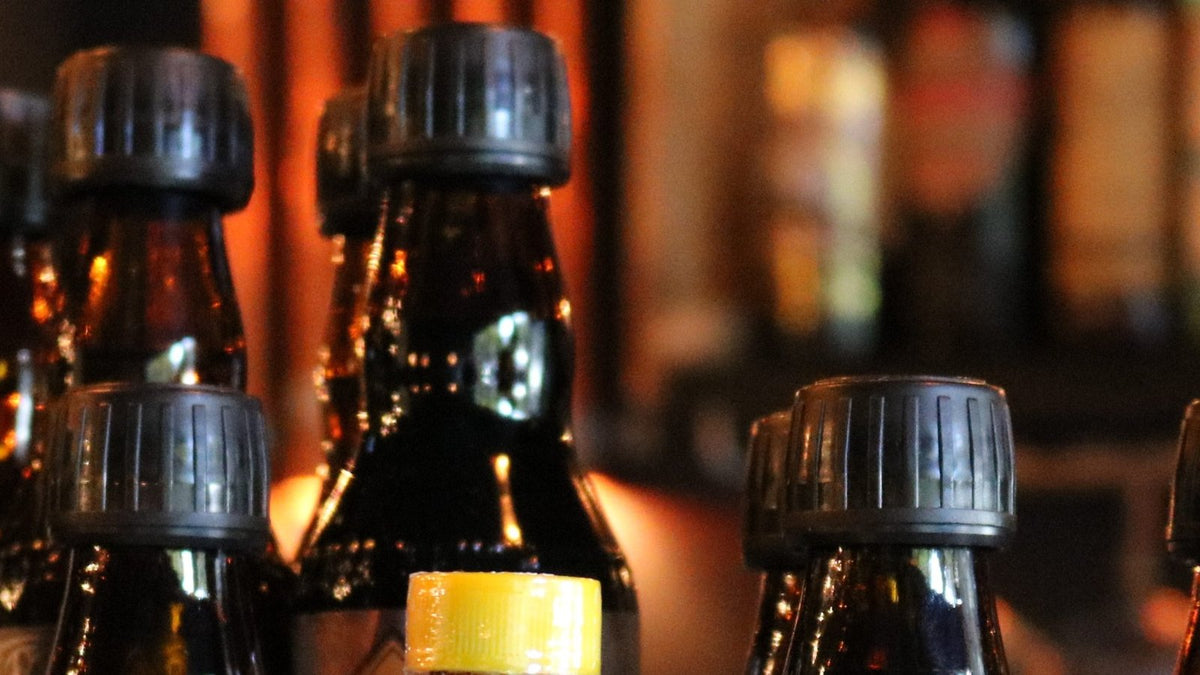
Photo: Achim Schleuning, CC BY-SA 4.0, via Wikimedia Commons